
Lifestyle
Gift Giving: Managing Family Tensions During the Holidays

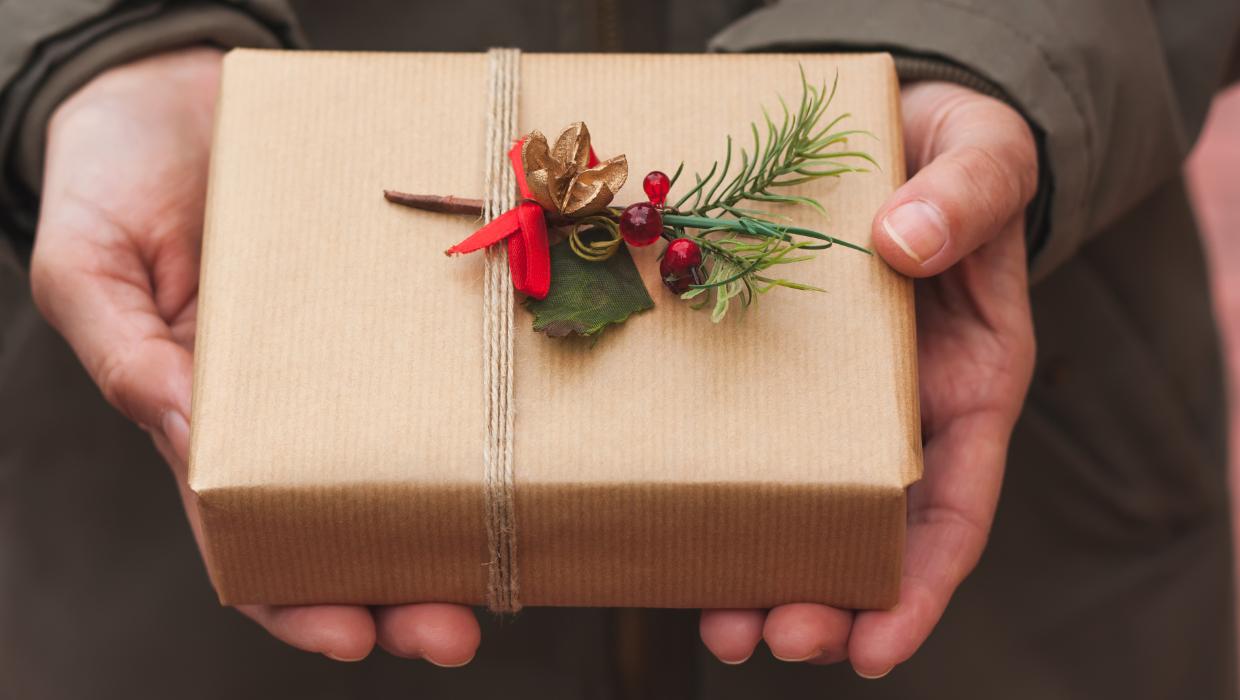
Gift giving during the holiday season can sometimes lead to unexpected tensions within families. A recent study conducted by psychological researchers highlights the complexities involved in selecting and exchanging gifts, particularly during Christmas. Many individuals recall receiving gifts that missed the mark, sparking discomfort and sometimes conflict among family members.
The act of giving gifts, traditionally viewed as a symbol of love and appreciation, may inadvertently create pressure and anxiety. According to Dr. Susan Whitaker, a psychologist specializing in family dynamics, the stress often arises from various expectations surrounding gift giving. “When individuals feel obligated to give or receive gifts, it can lead to disappointment if those expectations are not met,” she explains. This sentiment resonates with many, especially during the festive season when emotions can run high.
Managing these tensions requires open communication and a reevaluation of what gift giving means to each family member. Families are encouraged to engage in discussions about their preferences and feelings related to gifts. This proactive approach can help mitigate misunderstandings and foster a more enjoyable holiday experience.
Understanding Expectations
Gift giving is not merely about the item exchanged; it embodies deeper sentiments, including love, gratitude, and social obligation. Many families face the challenge of aligning their expectations, which can differ significantly from one member to another. For instance, some individuals may prioritize thoughtful, personalized gifts, while others may prefer practicality.
A survey conducted in December 2023 revealed that approximately 65% of respondents in the United States expressed anxiety over giving gifts that might disappoint their loved ones. This statistic reflects a broader trend observed in the United Kingdom and Australia, where similar sentiments regarding gift expectations were reported.
Dr. Whitaker emphasizes the importance of discussing preferences. “By having open conversations about what gifts mean to each person, families can establish a more meaningful approach to gift giving,” she notes. This dialogue not only helps in choosing appropriate gifts but also strengthens familial bonds.
Strategies for a Harmonious Holiday
To enhance the gift-giving experience and minimize potential conflicts, families can adopt several strategies. Firstly, establishing a budget can alleviate financial stress, which often contributes to tensions. Agreeing on a spending limit ensures that no one feels overwhelmed or pressured to overspend.
Additionally, families might consider implementing a gift exchange system, such as Secret Santa, where each member draws a name and buys a gift for that individual. This approach not only simplifies the process but can also make the giving feel more personal and less obligatory.
Creative alternatives to traditional gift giving can also be beneficial. Experiences, such as family outings or shared activities, often foster togetherness and create lasting memories without the pressure of material gifts. Dr. Whitaker encourages families to explore these options, stating, “Gifts don’t always have to be tangible. Experiences can be just as meaningful and less stressful.”
In summary, while gift giving can introduce challenges within families, understanding expectations and fostering open communication can significantly reduce tensions. By approaching the holiday season with a clear strategy and a focus on shared experiences, families can ensure that the spirit of Christmas remains joyful and united.













New $25 Million Funding Boosts Hospital Capacity Ahead of Winter

Discover Sleep Space’s Affordable Bach Bed Packages Today

Jury Dismissed in Sexual Assault Trial Over Misguided Questions

Wellington’s New Gallery Unveils Community-Driven Art Exhibition

All Whites Face Challenges as Injuries Strike Before World Cup

Heroic Bystander Rescues Swimmers from Dangerous Surf in Napier

Nina Oyama Returns to Crime Comedy in Deadloch Season 2

China Southern Airlines Offers Reliable Journey from Auckland to Vietnam

Nina Oyama Returns to Deadloch for Anticipated Season 2

Community Mourns Teens Lost in Mount Maunganui Landslide

Tributes Pour In for Lachlan Rofe, Reality Star, Dead at 47

Private Funeral Held for Dean Field and His Three Children

Funeral Planned for Field Siblings After Tragic House Fire

Netball New Zealand Stands Down Dame Noeline Taurua for Series

Julian Dennison Ties the Knot with Christian Baledrokadroka in New Zealand

Auckland’s Average Rent Surpasses $700 for Three-Bedroom Homes

Al Waha Motors Opens Flagship Jetour Showroom in Al Khor

New Research Reveals Simple Path to Enhanced Happiness
-
 Top Stories6 months ago
Community Mourns Teens Lost in Mount Maunganui Landslide
-
 Entertainment11 months ago
Tributes Pour In for Lachlan Rofe, Reality Star, Dead at 47
-
 World8 months ago
Private Funeral Held for Dean Field and His Three Children
-
 Top Stories8 months ago
Funeral Planned for Field Siblings After Tragic House Fire
-
 Sports11 months ago
Netball New Zealand Stands Down Dame Noeline Taurua for Series
-
 Entertainment6 months ago
Julian Dennison Ties the Knot with Christian Baledrokadroka in New Zealand
-
 Business7 months ago
Auckland’s Average Rent Surpasses $700 for Three-Bedroom Homes
-
 Health6 months ago
Al Waha Motors Opens Flagship Jetour Showroom in Al Khor
-
 Science9 months ago
New Research Reveals Simple Path to Enhanced Happiness
-

 Entertainment10 months ago
New ‘Maverick’ Chaser Joins Beat the Chasers Season Finale
-

 Lifestyle10 months ago
Maia Wilson Faces Backlash Following Taurua’s Suspension
-

 Sports9 months ago
All Blacks Star Damian McKenzie and Partner Announce Baby News