
Politics
Defence Minister Halts Cultural Skills Framework for Army

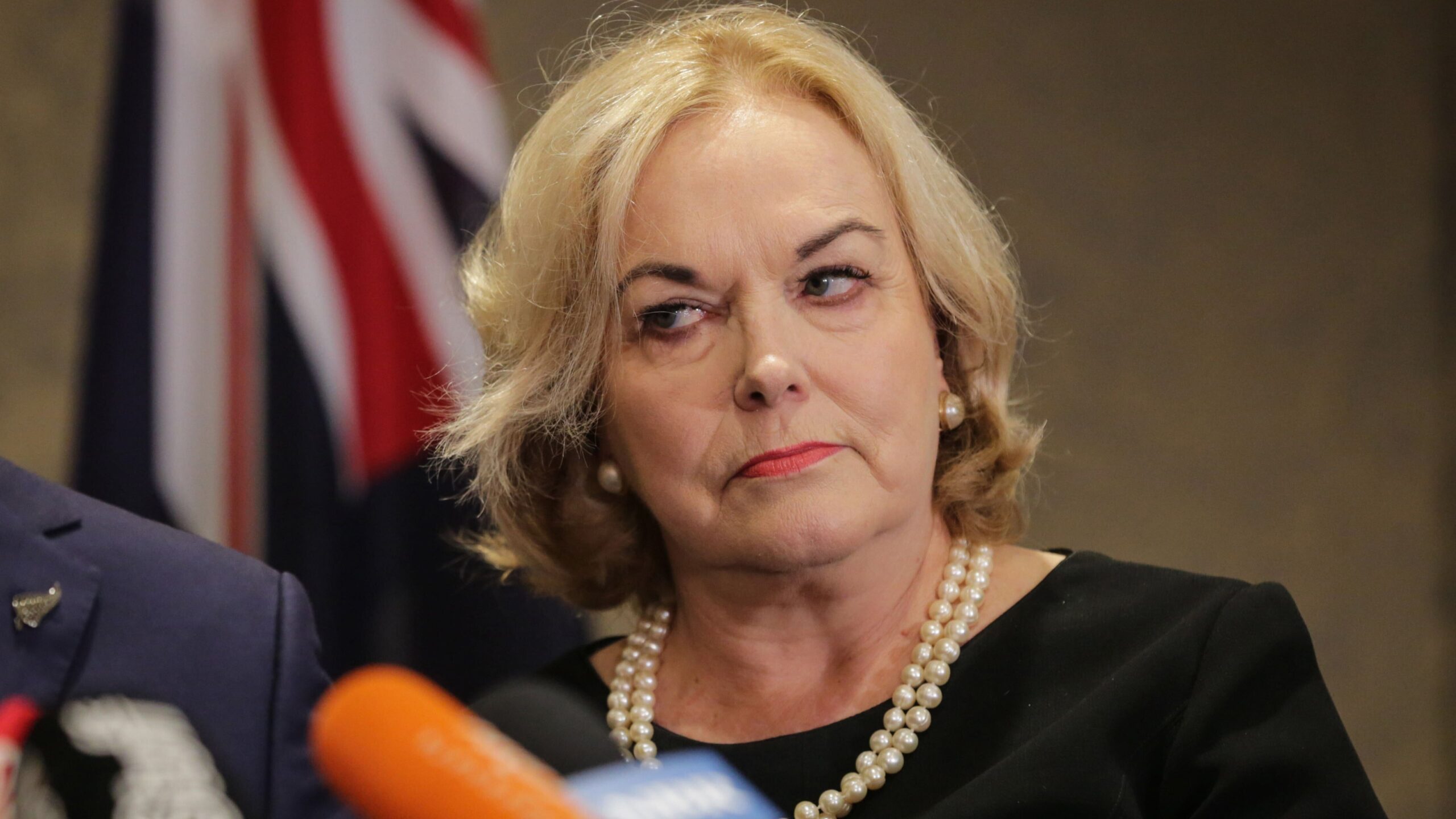
The Defence Minister, Judith Collins, announced a pause in the implementation of a cultural skills framework intended for army personnel. This decision follows concerns raised by Act MP Todd Stephenson, who questioned whether requiring Army leaders to memorize waiata and karakia exceeded standard expectations for public service roles.
Collins stated that the military had not previously discussed these requirements with her. However, after consultations with senior army leaders, it was determined that the framework would be put on hold. In an interview with radio host Mike Hosking, she emphasized that a soldier’s capacity to serve effectively does not hinge on their ability to recite traditional songs or prayers.
Concerns Over Cultural Expectations
While acknowledging the potential benefits of cultural knowledge, Collins expressed that the army’s primary focus should remain on operational readiness. She mentioned that during her recent attendance at the Munich Security Conference, she encountered far more pressing issues facing global security, such as the increasing influence of Russia.
Collins articulated her position clearly: “It would be nice for people to engage with cultural practices, but our soldiers need to be prepared for the realities of modern warfare.” Her remarks highlight a fundamental debate within the military about balancing cultural competence with practical skills necessary for national defense.
The cultural skills framework aimed to integrate traditional Maori practices into army training, reflecting New Zealand’s commitment to honoring its diverse heritage. However, the pause indicates a need for further discussion regarding the practical implications of such requirements on military effectiveness.
Next Steps for the Army
As the military evaluates the framework, the focus will likely shift towards finding a balance between cultural inclusivity and operational efficiency. The Ministry of Defence has not yet provided a timeline for when discussions will resume or how the army intends to address the concerns raised by Stephenson and others.
Critics of the framework have expressed concern that imposing additional cultural requirements on military leaders could detract from their core responsibilities. As the situation develops, the Defence Minister’s decision to pause the initiative may prompt a broader conversation about the role of cultural education in the armed forces.
The outcome of this discussion will not only affect the army’s training protocols but could also influence public perceptions of how the military engages with New Zealand’s cultural identity. Collins’ leadership will be crucial in navigating these complex dynamics as the nation strives to honor its heritage while ensuring military readiness in an increasingly challenging global environment.













Dan Carter and Lisa Carrington Reflect on Women Who Inspire Sport

Economic Recovery Fuels Property Market Resilience Amid Challenges

Sophie Henderson Shares Her Reading Journey and Upcoming Play

Cancer Society Opens New Centre in Queenstown for Community Support

Can You Solve Today’s Challenging Word Puzzle in One Minute?

Anthropic Rejects Pentagon Demands, Prioritizes AI Ethics

Bioeconomy Science Institute Announces 6% Staff Reduction

Brumbies Snatch Victory from Blues in Thrilling Finish

Lotto Powerball Draws $6 Million Jackpot; Winning Numbers Revealed

Community Mourns Teens Lost in Mount Maunganui Landslide

Tributes Pour In for Lachlan Rofe, Reality Star, Dead at 47

Private Funeral Held for Dean Field and His Three Children

Funeral Planned for Field Siblings After Tragic House Fire

Netball New Zealand Stands Down Dame Noeline Taurua for Series

Julian Dennison Ties the Knot with Christian Baledrokadroka in New Zealand

New ‘Maverick’ Chaser Joins Beat the Chasers Season Finale

Silver Ferns Legend Laura Langman Criticizes Team’s Attitude

Eli Katoa Rushed to Hospital After Sideline Incident During Match
-
 Top Stories1 month ago
Community Mourns Teens Lost in Mount Maunganui Landslide
-
 Entertainment6 months ago
Tributes Pour In for Lachlan Rofe, Reality Star, Dead at 47
-
 World3 months ago
Private Funeral Held for Dean Field and His Three Children
-
 Top Stories3 months ago
Funeral Planned for Field Siblings After Tragic House Fire
-
 Sports6 months ago
Netball New Zealand Stands Down Dame Noeline Taurua for Series
-
 Entertainment1 month ago
Julian Dennison Ties the Knot with Christian Baledrokadroka in New Zealand
-
 Entertainment5 months ago
New ‘Maverick’ Chaser Joins Beat the Chasers Season Finale
-
 Sports6 months ago
Silver Ferns Legend Laura Langman Criticizes Team’s Attitude
-
 Sports4 months ago
Eli Katoa Rushed to Hospital After Sideline Incident During Match
-

 Sports4 months ago
All Blacks Star Damian McKenzie and Partner Announce Baby News
-

 Sports3 months ago
Nathan Williamson’s Condition Improves Following Race Fall
-

 Politics5 months ago
Netball NZ Calls for Respect Amid Dame Taurua’s Standoff