
Politics
Former Vice President Dick Cheney Passes Away at 84

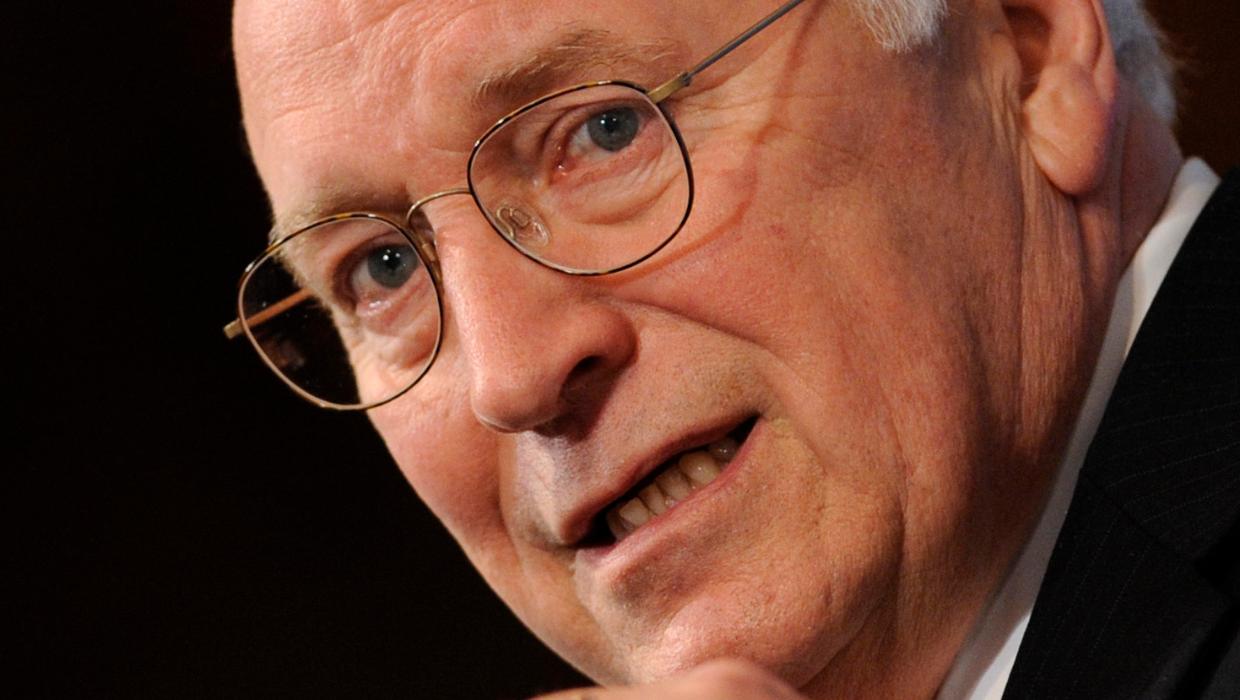
Dick Cheney, who served as the Vice President of the United States from 2001 to 2009, has died at the age of 84. Cheney, a significant figure in American politics, was known for his influential, and often controversial, role in shaping U.S. foreign policy, particularly regarding the 2003 invasion of Iraq.
Born on January 30, 1941, in Lincoln, Nebraska, Cheney’s political career spanned several decades, including key positions in both the Nixon and Ford administrations. He later became the CEO of Halliburton, a multinational corporation that provided services to the energy sector, before stepping into the role of Vice President under President George W. Bush.
Legacy as a Controversial Figure
Cheney’s tenure as Vice President was marked by a hard-charging conservative agenda and a focus on national security. He was a staunch advocate for the Iraq War, arguing that it was necessary to combat terrorism and safeguard U.S. interests. His hawkish stance and strong advocacy for military action made him a polarizing figure, admired by some for his decisiveness and criticized by others for his aggressive tactics.
Throughout his political journey, Cheney was often at the center of major national debates, particularly regarding the use of intelligence to justify military interventions. His support for the 2001 Patriot Act and other security measures following the September 11 attacks reflected his commitment to a robust national defense.
Impact on American Politics
The impact of Cheney’s policies is still felt today, with ongoing discussions about the implications of the Iraq War and U.S. foreign policy in the Middle East. Many view him as a key architect of a new era in American military engagement abroad, while others see him as a symbol of the failures of that approach.
After leaving office, Cheney remained an influential voice in political circles, often sharing his views through various media outlets and publications. His memoir, titled “In My Time,” provided insights into his perspective on the decisions made during his time in office.
Cheney’s death marks the end of an era for a figure who shaped significant aspects of U.S. policy in the early 21st century. As tributes pour in from various political figures and organizations, his legacy continues to be a topic of vigorous debate.
In a statement, former President George W. Bush expressed his condolences, highlighting Cheney’s commitment to the country and his role in national security. “Dick was a man of courage and conviction,” Bush stated. “He served our nation with honor and will be missed.”
As the nation reflects on his contributions and controversies, Cheney’s passing serves as a reminder of the complexities of U.S. political history and the lasting effects of leadership decisions.












New $25 Million Funding Boosts Hospital Capacity Ahead of Winter

Discover Sleep Space’s Affordable Bach Bed Packages Today

Jury Dismissed in Sexual Assault Trial Over Misguided Questions

Wellington’s New Gallery Unveils Community-Driven Art Exhibition

All Whites Face Challenges as Injuries Strike Before World Cup

Heroic Bystander Rescues Swimmers from Dangerous Surf in Napier

Nina Oyama Returns to Crime Comedy in Deadloch Season 2

China Southern Airlines Offers Reliable Journey from Auckland to Vietnam

Nina Oyama Returns to Deadloch for Anticipated Season 2

Community Mourns Teens Lost in Mount Maunganui Landslide

Tributes Pour In for Lachlan Rofe, Reality Star, Dead at 47

Private Funeral Held for Dean Field and His Three Children

Funeral Planned for Field Siblings After Tragic House Fire

Netball New Zealand Stands Down Dame Noeline Taurua for Series

Al Waha Motors Opens Flagship Jetour Showroom in Al Khor

Julian Dennison Ties the Knot with Christian Baledrokadroka in New Zealand

Auckland’s Average Rent Surpasses $700 for Three-Bedroom Homes

New Research Reveals Simple Path to Enhanced Happiness
-
 Top Stories7 months ago
Community Mourns Teens Lost in Mount Maunganui Landslide
-
 Entertainment11 months ago
Tributes Pour In for Lachlan Rofe, Reality Star, Dead at 47
-
 World9 months ago
Private Funeral Held for Dean Field and His Three Children
-
 Top Stories9 months ago
Funeral Planned for Field Siblings After Tragic House Fire
-
 Sports11 months ago
Netball New Zealand Stands Down Dame Noeline Taurua for Series
-
 Health7 months ago
Al Waha Motors Opens Flagship Jetour Showroom in Al Khor
-
 Entertainment7 months ago
Julian Dennison Ties the Knot with Christian Baledrokadroka in New Zealand
-
 Business7 months ago
Auckland’s Average Rent Surpasses $700 for Three-Bedroom Homes
-
 Science10 months ago
New Research Reveals Simple Path to Enhanced Happiness
-

 Entertainment10 months ago
New ‘Maverick’ Chaser Joins Beat the Chasers Season Finale
-

 Lifestyle11 months ago
Maia Wilson Faces Backlash Following Taurua’s Suspension
-

 Sports10 months ago
All Blacks Star Damian McKenzie and Partner Announce Baby News