
Politics
German Football Leader Proposes World Cup Boycott Over Trump’s Actions

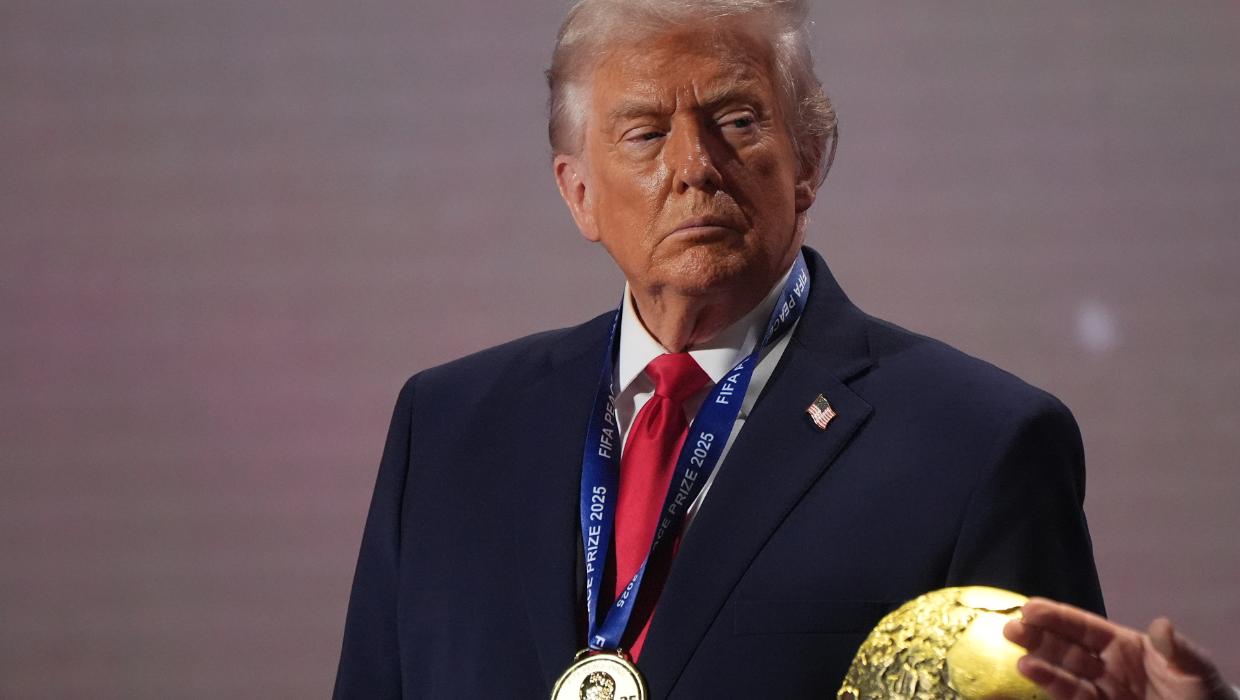
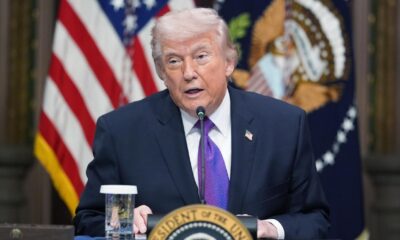
A senior member of the German football federation has suggested a boycott of the upcoming FIFA World Cup, citing concerns over the actions of US President Donald Trump. In an interview with the Hamburger Morgenpost, Oke Göttlich, the president of Bundesliga club St. Pauli and one of the federation’s ten vice presidents, stated that “the time has come” to “seriously consider and discuss” the implications of Trump’s administration on international relations and sporting events.
Göttlich’s comments stem from recent tensions created by Trump, particularly his controversial proposal to purchase Greenland, a territory of NATO member Denmark. This move, alongside threats to impose tariffs on several European countries opposing the acquisition, has raised alarms among US allies regarding the stability of the NATO alliance. Göttlich referenced the Olympic boycotts of the 1980s, suggesting that the current geopolitical climate presents a more significant threat, stating, “By my reckoning, the potential threat is greater now than it was then.”
The World Cup, co-hosted by the United States, Canada, and Mexico from June 11 to July 19, 2026, is facing scrutiny not only for its political implications but also for practical concerns. Fans are expressing discontent over high ticket prices, and travel restrictions imposed by the Trump administration may prevent supporters from certain nations from attending the tournament.
While Göttlich advocates for a strong defense of values, he is likely to encounter resistance from Bernd Neuendorf, the president of the German football federation, as well as Gianni Infantino, the president of FIFA. Göttlich voiced his frustration with the federation’s approach, noting the contradictory nature of being “completely apolitical” following the politically charged World Cup in Qatar.
“Qatar was too political for everyone, and now we’re completely apolitical? That’s something that really, really bothers me,” he remarked. Göttlich emphasized the need for organizations and society to reaffirm their boundaries and values, questioning where the line is drawn when it comes to political actions that threaten lives. “Is a taboo crossed when someone threatens? Is a taboo crossed when someone attacks? When people die?” he asked, indicating a desire for clarity from both Trump and FIFA leadership.
St. Pauli, known for its left-wing stance and political activism, has a history of intertwining sport and social issues. The club’s emblem, featuring a pirate skull-and-crossbones, was popularized by fans who identified as punks, reflecting the club’s roots in the community.
Göttlich dismissed concerns that a boycott would negatively impact St. Pauli’s national team players, including Australia’s Jackson Irvine and Connor Metcalfe, as well as Japan’s Joel Chima Fujita. He stated, “The life of a professional player is not worth more than the lives of countless people in various regions who are being directly or indirectly attacked or threatened by the World Cup host.”
As discussions surrounding the World Cup boycott gain traction, the implications of political decisions on sports and international relations continue to unfold. The German football federation’s response to Göttlich’s call will likely reflect broader sentiments within the football community and beyond.








New $25 Million Funding Boosts Hospital Capacity Ahead of Winter

Discover Sleep Space’s Affordable Bach Bed Packages Today

Jury Dismissed in Sexual Assault Trial Over Misguided Questions

Wellington’s New Gallery Unveils Community-Driven Art Exhibition

All Whites Face Challenges as Injuries Strike Before World Cup

Heroic Bystander Rescues Swimmers from Dangerous Surf in Napier

Nina Oyama Returns to Crime Comedy in Deadloch Season 2

China Southern Airlines Offers Reliable Journey from Auckland to Vietnam

Nina Oyama Returns to Deadloch for Anticipated Season 2

Community Mourns Teens Lost in Mount Maunganui Landslide

Tributes Pour In for Lachlan Rofe, Reality Star, Dead at 47

Private Funeral Held for Dean Field and His Three Children

Funeral Planned for Field Siblings After Tragic House Fire

Netball New Zealand Stands Down Dame Noeline Taurua for Series

Julian Dennison Ties the Knot with Christian Baledrokadroka in New Zealand

Auckland’s Average Rent Surpasses $700 for Three-Bedroom Homes

Al Waha Motors Opens Flagship Jetour Showroom in Al Khor

New Research Reveals Simple Path to Enhanced Happiness
-
 Top Stories6 months ago
Community Mourns Teens Lost in Mount Maunganui Landslide
-
 Entertainment11 months ago
Tributes Pour In for Lachlan Rofe, Reality Star, Dead at 47
-
 World8 months ago
Private Funeral Held for Dean Field and His Three Children
-
 Top Stories8 months ago
Funeral Planned for Field Siblings After Tragic House Fire
-
 Sports11 months ago
Netball New Zealand Stands Down Dame Noeline Taurua for Series
-
 Entertainment6 months ago
Julian Dennison Ties the Knot with Christian Baledrokadroka in New Zealand
-
 Business7 months ago
Auckland’s Average Rent Surpasses $700 for Three-Bedroom Homes
-
 Health6 months ago
Al Waha Motors Opens Flagship Jetour Showroom in Al Khor
-
 Science9 months ago
New Research Reveals Simple Path to Enhanced Happiness
-

 Entertainment10 months ago
New ‘Maverick’ Chaser Joins Beat the Chasers Season Finale
-

 Lifestyle10 months ago
Maia Wilson Faces Backlash Following Taurua’s Suspension
-

 Sports9 months ago
All Blacks Star Damian McKenzie and Partner Announce Baby News