
Politics
KiwiRail Funding Shortfall Leaves Homeowner in Limbo

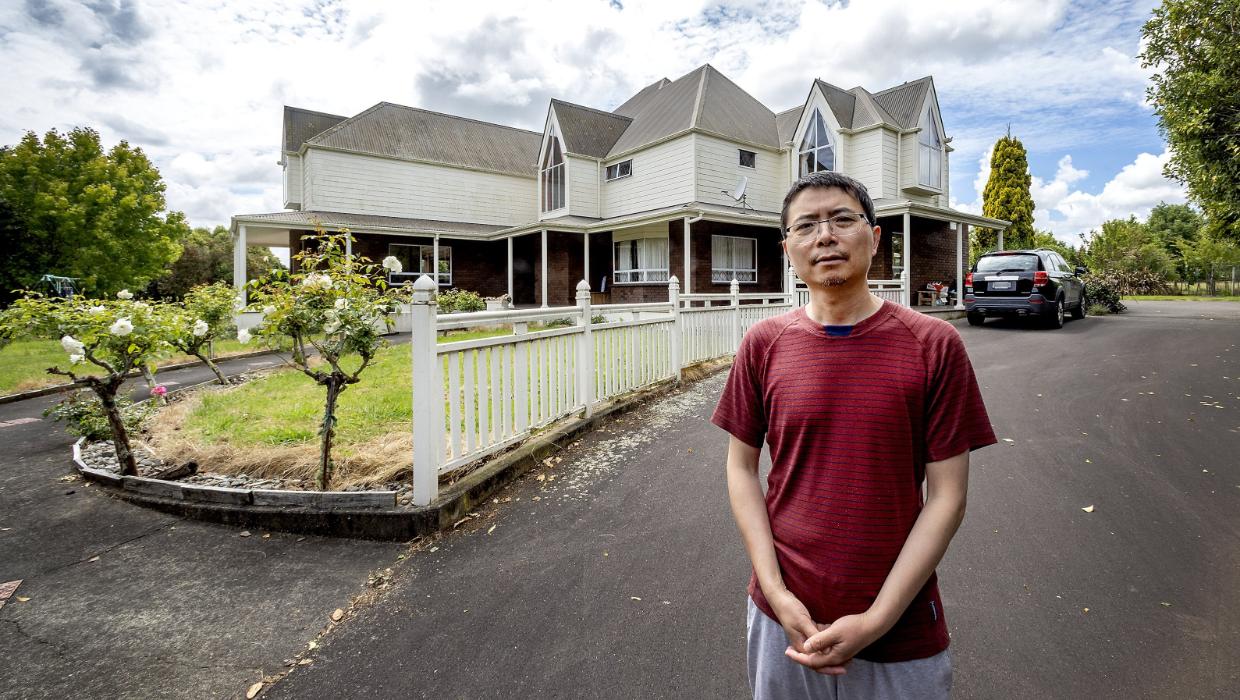
A homeowner in Palmerston North faces uncertainty as KiwiRail’s plans for a freight hub threaten his property. Hangfeng Ji, the owner of a once-idyllic residence on Clevely Line, has learned that KiwiRail lacks the necessary funds to purchase his home, which has been earmarked for demolition under the development proposal.
Ji’s family, which includes his wife, father, and three children, had cherished their peaceful living environment and envisioned expanding the property into a small business with an orchard. However, the announcement in 2020 that the New Zealand government would allocate $40 million from the Provincial Growth Fund for the rail hub’s design and initial property purchases disrupted those plans.
Following this announcement, KiwiRail advised Ji against making any improvements to the property. He subsequently canceled plans for planting fruit trees and discouraged utility companies from upgrading services in the area. Currently unemployed and embroiled in costly legal disputes, Ji is exploring options to sell his home to cover expenses but is hesitant to do so without clarity on the future.
In an attempt to seek relief, Ji approached KiwiRail with a request to utilize its Hardship Purchase program, hoping to sell the property while retaining the option to rent it back. Unfortunately, he was informed that the program was no longer operational due to funding issues.
According to Anna Allen, KiwiRail’s Executive General Manager for Property, the funding from the Provincial Growth Fund was used solely for initial property purchases and master planning. As a result, Ji is left with limited choices. He could pursue a path under the Resource Management Act, which would involve placing the property on the market for three months to demonstrate that it is unsellable. This process could prove financially burdensome and risky, as potential buyers may be deterred by the property’s designation and he could end up selling at a loss.
Ji expressed frustration over the lack of effective communication from KiwiRail. He described their approach as a pattern of “delay and obstruction,” which he believes undermines their commitment to being a good neighbor. He emphasized that a state-owned enterprise has a responsibility to provide adequate support for landowners affected by its projects, particularly in terms of a well-resourced hardship policy.
While Ji is not keen on selling his home immediately, he craves certainty regarding his options. The stress of ongoing court proceedings, personal health challenges, and the pressure of living under property designation have taken a toll on him. He remarked, “I have no energy or desire to maintain the large property to a standard I used to and loved so much.”
With no resolution in sight, Ji is left contemplating the implications of KiwiRail’s decisions on his family’s future and the value of his home. The situation highlights the broader challenges faced by property owners in situations where public infrastructure projects intersect with private land ownership. As the development plans progress, the need for a transparent and supportive process for affected homeowners becomes increasingly urgent.









New $25 Million Funding Boosts Hospital Capacity Ahead of Winter

Discover Sleep Space’s Affordable Bach Bed Packages Today

Jury Dismissed in Sexual Assault Trial Over Misguided Questions

Wellington’s New Gallery Unveils Community-Driven Art Exhibition

All Whites Face Challenges as Injuries Strike Before World Cup

Heroic Bystander Rescues Swimmers from Dangerous Surf in Napier

Nina Oyama Returns to Crime Comedy in Deadloch Season 2

China Southern Airlines Offers Reliable Journey from Auckland to Vietnam

Nina Oyama Returns to Deadloch for Anticipated Season 2

Community Mourns Teens Lost in Mount Maunganui Landslide

Tributes Pour In for Lachlan Rofe, Reality Star, Dead at 47

Private Funeral Held for Dean Field and His Three Children

Funeral Planned for Field Siblings After Tragic House Fire

Netball New Zealand Stands Down Dame Noeline Taurua for Series

Al Waha Motors Opens Flagship Jetour Showroom in Al Khor

Julian Dennison Ties the Knot with Christian Baledrokadroka in New Zealand

Auckland’s Average Rent Surpasses $700 for Three-Bedroom Homes

New Research Reveals Simple Path to Enhanced Happiness
-
 Top Stories7 months ago
Community Mourns Teens Lost in Mount Maunganui Landslide
-
 Entertainment11 months ago
Tributes Pour In for Lachlan Rofe, Reality Star, Dead at 47
-
 World9 months ago
Private Funeral Held for Dean Field and His Three Children
-
 Top Stories9 months ago
Funeral Planned for Field Siblings After Tragic House Fire
-
 Sports11 months ago
Netball New Zealand Stands Down Dame Noeline Taurua for Series
-
 Health7 months ago
Al Waha Motors Opens Flagship Jetour Showroom in Al Khor
-
 Entertainment7 months ago
Julian Dennison Ties the Knot with Christian Baledrokadroka in New Zealand
-
 Business7 months ago
Auckland’s Average Rent Surpasses $700 for Three-Bedroom Homes
-
 Science10 months ago
New Research Reveals Simple Path to Enhanced Happiness
-

 Entertainment10 months ago
New ‘Maverick’ Chaser Joins Beat the Chasers Season Finale
-

 Lifestyle10 months ago
Maia Wilson Faces Backlash Following Taurua’s Suspension
-

 Sports10 months ago
All Blacks Star Damian McKenzie and Partner Announce Baby News