
Politics
Māori Design Transforms Housing and Public Spaces in New Zealand

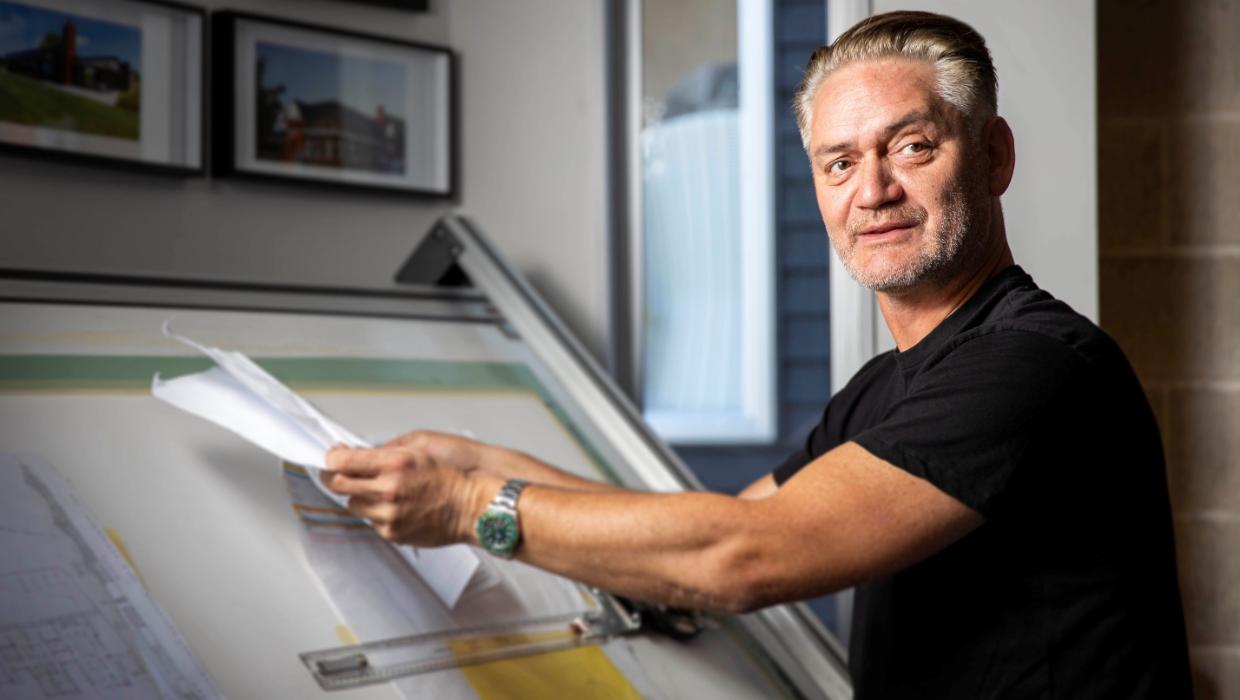
The increase in Māori-led design initiatives is significantly reshaping housing and public spaces throughout New Zealand. Professor Anthony Hōete, an influential Māori architect at the University of Auckland, highlights how cultural design is not only reflecting the indigenous history of Aotearoa but also contributing to broader societal changes in the post-Treaty settlement era.
In 2023, the Māori asset base in Aotearoa reached an impressive $126 billion, marking an 83% increase over the past five years. This economic growth is paralleled by a growing number of individuals embracing their whakapapa, or genealogy, which is fostering a renewed sense of identity among Māori communities. “That’s the big shift, as it’s becoming increasingly normal to identify as Māori,” says Hōete, underscoring the cultural momentum driving these developments.
Collaboration in Civic and Housing Projects
The rise of iwi-led housing projects and civic initiatives reflects a transformative period for Māori communities. Several significant projects are underway, including the extensive renovation of Ngāmotu House, owned by Te Kotahitanga o Te Atiawa, and the construction of New Plymouth’s first marae, a long-held aspiration of the Ngāti Te Whiti hapū.
In Waitara, the collaboration between the New Plymouth District Council and Te Kōwhatu Tū Moana, representing local hapū, exemplifies how joint efforts can benefit the wider community. Their work on the redevelopment of Otupaiia, a large beachfront recreational reserve, showcases the potential for inclusive design approaches that honour Māori heritage.
Another notable initiative is occurring in Palmerston North, where plans are in place to construct a civic marae and community space at Anzac Park, recognized as the most sacred pā site in the city. These projects demonstrate a commitment to cultural revitalization and community engagement, with a focus on collective benefit rather than individual gain.
Intergenerational Design and Cultural Significance
Hōete emphasizes that Māori architectural projects often prioritize collective needs, particularly in housing design, which typically adopts an intergenerational approach. Rather than concentrating on single-family dwellings, these designs consider how spaces will serve multiple generations and the community as a whole.
The integration of cultural narrative into architectural design is crucial, according to Hōete. He notes, “Cultural narrative has always been an important driver of design in Aotearoa.” While iconography and visual elements are significant, what truly defines a building’s importance to Māori is its ownership, design contributors, and intended usage.
As local councils and iwi forge co-management agreements, Hōete stresses the necessity of involving community members in decision-making processes. “It’s the local communities which will drive and facilitate that change,” he states, highlighting the importance of grassroots participation in these transformative projects.
Chairperson Geoff White of the Manukorihi hapū echoes this sentiment, noting their commitment to creating a community hub in Waitara that fosters connection to whakapapa. The hapū is actively working to establish its presence, focusing on the renovation of their office and the regeneration of the Tangaroa Stream.
White describes the office as a “community hub for Manukorihi,” a central space for locals to gather and reconnect with their heritage. As they implement renovations, the incorporation of cultural symbols—referred to as tohu—remains a priority. “It’s very, very important to get that right,” he emphasizes, reflecting the collective ethos that guides their projects.
Ultimately, the efforts to reshape New Zealand’s housing and public spaces through Māori design signify a broader cultural renaissance. As communities continue to reclaim their identity and heritage, these initiatives not only enhance local environments but also contribute to a richer understanding of New Zealand’s diverse history and future.












New $25 Million Funding Boosts Hospital Capacity Ahead of Winter

Discover Sleep Space’s Affordable Bach Bed Packages Today

Jury Dismissed in Sexual Assault Trial Over Misguided Questions

Wellington’s New Gallery Unveils Community-Driven Art Exhibition

All Whites Face Challenges as Injuries Strike Before World Cup

Heroic Bystander Rescues Swimmers from Dangerous Surf in Napier

Nina Oyama Returns to Crime Comedy in Deadloch Season 2

China Southern Airlines Offers Reliable Journey from Auckland to Vietnam

Nina Oyama Returns to Deadloch for Anticipated Season 2

Community Mourns Teens Lost in Mount Maunganui Landslide

Tributes Pour In for Lachlan Rofe, Reality Star, Dead at 47

Private Funeral Held for Dean Field and His Three Children

Funeral Planned for Field Siblings After Tragic House Fire

Netball New Zealand Stands Down Dame Noeline Taurua for Series

Al Waha Motors Opens Flagship Jetour Showroom in Al Khor

Julian Dennison Ties the Knot with Christian Baledrokadroka in New Zealand

Auckland’s Average Rent Surpasses $700 for Three-Bedroom Homes

New Research Reveals Simple Path to Enhanced Happiness
-
 Top Stories7 months ago
Community Mourns Teens Lost in Mount Maunganui Landslide
-
 Entertainment11 months ago
Tributes Pour In for Lachlan Rofe, Reality Star, Dead at 47
-
 World9 months ago
Private Funeral Held for Dean Field and His Three Children
-
 Top Stories9 months ago
Funeral Planned for Field Siblings After Tragic House Fire
-
 Sports11 months ago
Netball New Zealand Stands Down Dame Noeline Taurua for Series
-
 Health7 months ago
Al Waha Motors Opens Flagship Jetour Showroom in Al Khor
-
 Entertainment7 months ago
Julian Dennison Ties the Knot with Christian Baledrokadroka in New Zealand
-
 Business7 months ago
Auckland’s Average Rent Surpasses $700 for Three-Bedroom Homes
-
 Science10 months ago
New Research Reveals Simple Path to Enhanced Happiness
-

 Entertainment10 months ago
New ‘Maverick’ Chaser Joins Beat the Chasers Season Finale
-

 Lifestyle11 months ago
Maia Wilson Faces Backlash Following Taurua’s Suspension
-

 Sports10 months ago
All Blacks Star Damian McKenzie and Partner Announce Baby News