
Politics
Protests Erupt Across Iran Following Exiled Prince’s Call to Action

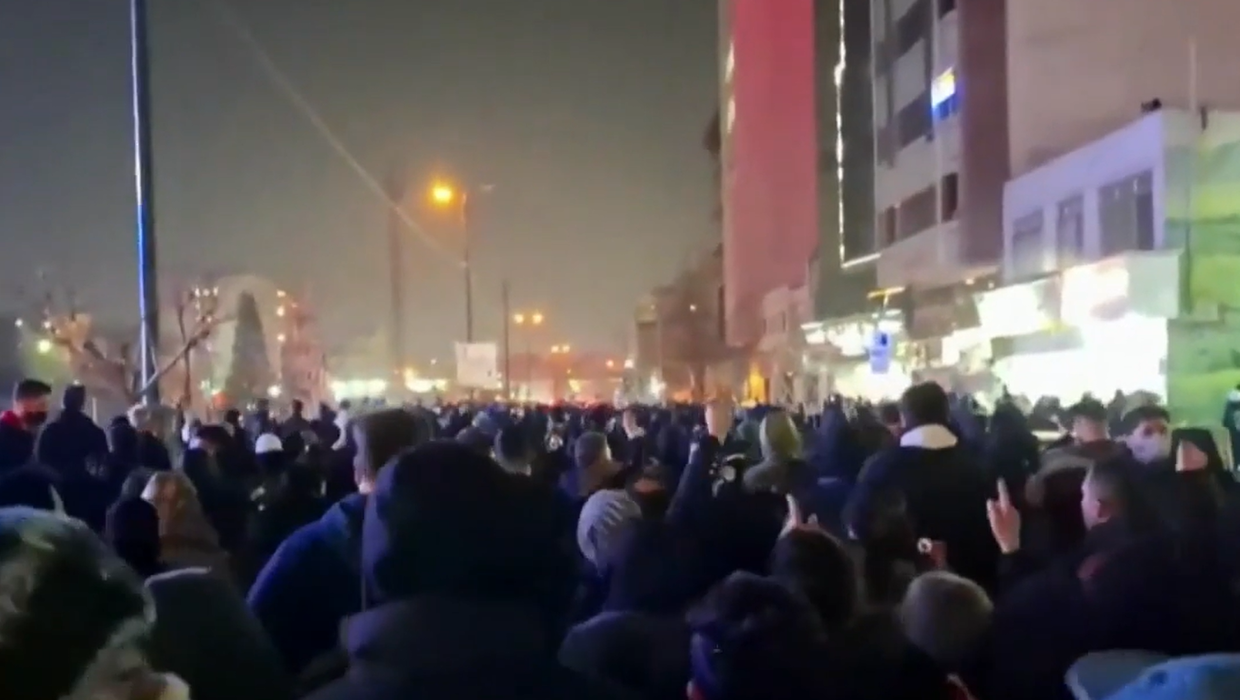
Protests erupted across Iran on the morning of October 20, 2023, following a call to action from the country’s exiled crown prince, Reza Pahlavi. Demonstrators filled the streets, voicing their discontent with the current government and demanding change. The protests come amid heightened tensions, with the Iranian government attributing the unrest to alleged “terrorist agents” from the United States.
Crowds gathered in major cities, including Tehran, Isfahan, and Shiraz, where chants of opposition echoed through the streets. The demonstrations reflect widespread frustration over economic hardships, political oppression, and social restrictions, which have intensified over recent months. Protesters displayed a sense of urgency, with many calling for greater freedoms and accountability from their leadership.
In response to the growing unrest, the Iranian government implemented an internet blackout to curb communication among protesters and limit the dissemination of information. This move has drawn significant criticism from human rights organizations, which argue that restricting access to the internet inhibits the ability of citizens to organize and express their views.
The protests were sparked by a video message from Reza Pahlavi, who has been living in exile since the 1979 Iranian Revolution. In his address, he urged Iranians to unite against the current regime and to demand fundamental changes. His appeal resonated with many citizens, particularly among the younger generation seeking to challenge the status quo.
The Iranian government has responded aggressively to the protests, with reports of clashes between security forces and demonstrators. Although specific numbers of arrests have not been confirmed, eyewitness accounts suggest that the situation has escalated into violence in several locations. The government’s narrative framing the unrest as a result of foreign interference aims to divert attention from domestic grievances.
International reactions to the protests have varied. Some governments and organizations have expressed solidarity with the Iranian people, calling for an end to the repression. Meanwhile, others have taken a more cautious approach, balancing their responses against diplomatic relations with Tehran.
As the situation continues to develop, the potential for further unrest remains high. The Iranian government’s insistence on blaming external forces for the chaos may not quell the demands for reform. Citizens are increasingly vocal about their discontent, signaling a potential shift in the political landscape of Iran.
The coming days will likely be crucial in determining the trajectory of these protests and the government’s response. The resilience of the Iranian people in the face of oppression continues to be a focal point, with many determined to push for change despite the risks involved.











New $25 Million Funding Boosts Hospital Capacity Ahead of Winter

Discover Sleep Space’s Affordable Bach Bed Packages Today

Jury Dismissed in Sexual Assault Trial Over Misguided Questions

Wellington’s New Gallery Unveils Community-Driven Art Exhibition

All Whites Face Challenges as Injuries Strike Before World Cup

Heroic Bystander Rescues Swimmers from Dangerous Surf in Napier

Nina Oyama Returns to Crime Comedy in Deadloch Season 2

China Southern Airlines Offers Reliable Journey from Auckland to Vietnam

Nina Oyama Returns to Deadloch for Anticipated Season 2

Community Mourns Teens Lost in Mount Maunganui Landslide

Tributes Pour In for Lachlan Rofe, Reality Star, Dead at 47

Private Funeral Held for Dean Field and His Three Children

Funeral Planned for Field Siblings After Tragic House Fire

Netball New Zealand Stands Down Dame Noeline Taurua for Series

Al Waha Motors Opens Flagship Jetour Showroom in Al Khor

Julian Dennison Ties the Knot with Christian Baledrokadroka in New Zealand

Auckland’s Average Rent Surpasses $700 for Three-Bedroom Homes

New Research Reveals Simple Path to Enhanced Happiness
-
 Top Stories7 months ago
Community Mourns Teens Lost in Mount Maunganui Landslide
-
 Entertainment11 months ago
Tributes Pour In for Lachlan Rofe, Reality Star, Dead at 47
-
 World9 months ago
Private Funeral Held for Dean Field and His Three Children
-
 Top Stories9 months ago
Funeral Planned for Field Siblings After Tragic House Fire
-
 Sports11 months ago
Netball New Zealand Stands Down Dame Noeline Taurua for Series
-
 Health7 months ago
Al Waha Motors Opens Flagship Jetour Showroom in Al Khor
-
 Entertainment7 months ago
Julian Dennison Ties the Knot with Christian Baledrokadroka in New Zealand
-
 Business7 months ago
Auckland’s Average Rent Surpasses $700 for Three-Bedroom Homes
-
 Science10 months ago
New Research Reveals Simple Path to Enhanced Happiness
-

 Entertainment10 months ago
New ‘Maverick’ Chaser Joins Beat the Chasers Season Finale
-

 Lifestyle10 months ago
Maia Wilson Faces Backlash Following Taurua’s Suspension
-

 Sports10 months ago
All Blacks Star Damian McKenzie and Partner Announce Baby News