
Politics
Scientists Identify Poison in Navalny’s Tissue, Expose Russian Arsenal

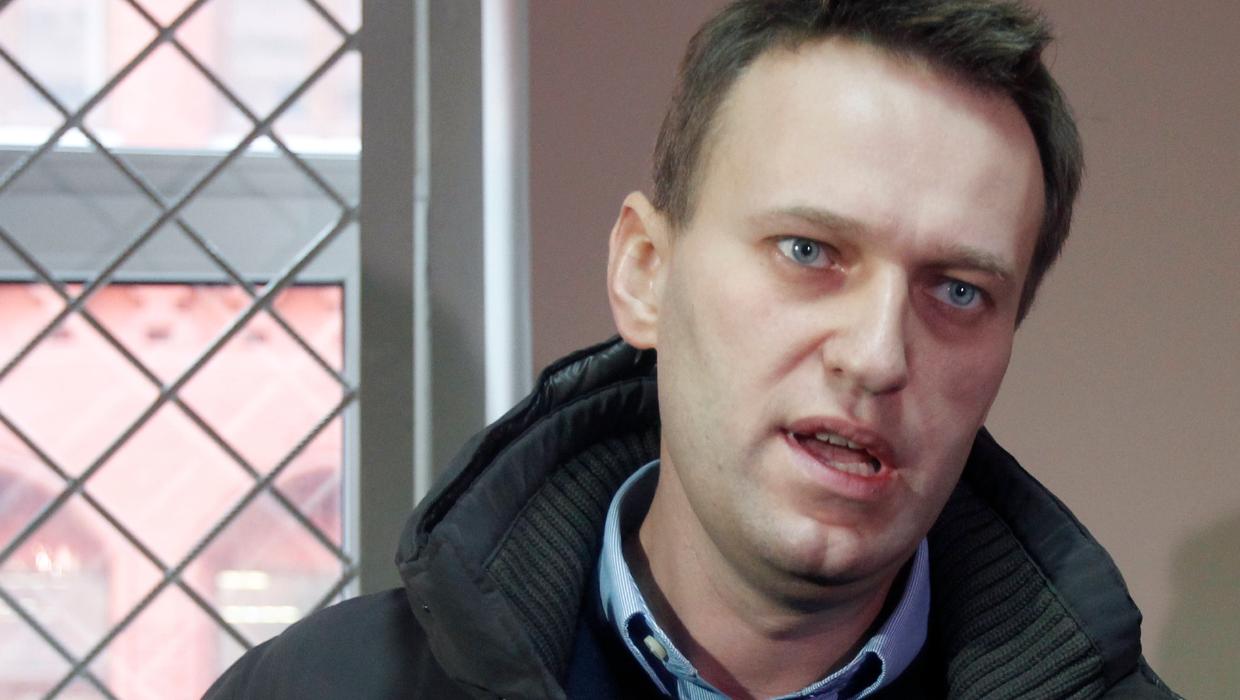
Tissue samples from the late Russian opposition leader Alexei Navalny revealed traces of a highly toxic frog venom, leading to concerns that Russia may possess a broader array of illicit chemical weapons. The findings have intensified scrutiny of Moscow’s capabilities and intentions regarding chemical warfare.
The analysis, conducted by scientists in the United Kingdom, focused on samples taken from Navalny in 2020 after he fell gravely ill. Experts have identified the presence of a potent toxin derived from the skin of certain frog species, known for its lethal properties. This revelation raises significant questions about the extent of Russia’s secret chemical arsenal.
Revelations Spark International Concern
The discovery of this frog toxin aligns with ongoing investigations into Russia’s past use of chemical agents. The U.K. government has expressed alarm over the implications of these findings, suggesting that they may indicate a broader pattern of developing and stockpiling prohibited substances.
“This is a serious matter that cannot be overlooked,” said a spokesperson for the U.K. Foreign Office. “The use of any chemical weapon is a violation of international law, and we are committed to holding those responsible accountable.” The statement reflects growing international consensus on the need for stringent measures against the use of chemical weapons.
The toxins found in Navalny’s samples are part of a larger investigation, which includes data collected by the Organization for the Prohibition of Chemical Weapons (OPCW). The OPCW has been tasked with monitoring compliance with the Chemical Weapons Convention, an international treaty aimed at eliminating the production and stockpiling of chemical weapons.
Potential Implications for Global Security
The implications of these findings extend beyond the immediate context of Navalny’s poisoning. Experts warn that the existence of such toxins in Russia’s arsenal poses significant risks not only to political dissidents but also to global security at large. The potential for these weapons to be used in conflicts or to be accessed by non-state actors raises alarms among international security analysts.
The U.K. government has called for a renewed commitment from the international community to address the dangers posed by chemical weapons. This includes advocating for increased transparency from nations suspected of harboring such arsenals and supporting comprehensive investigations into their development and use.
The investigation into Navalny’s case has also prompted renewed discussions regarding the treatment of political opposition in Russia. Critics of the Kremlin argue that the willingness to deploy such lethal substances against dissidents reflects a broader strategy of intimidation and suppression.
As the world grapples with the consequences of these findings, the need for vigilance and cooperation among nations becomes increasingly evident. The situation serves as a stark reminder of the ongoing challenges in preventing the proliferation of chemical weapons and protecting human rights globally.













New $25 Million Funding Boosts Hospital Capacity Ahead of Winter

Discover Sleep Space’s Affordable Bach Bed Packages Today

Jury Dismissed in Sexual Assault Trial Over Misguided Questions

Wellington’s New Gallery Unveils Community-Driven Art Exhibition

All Whites Face Challenges as Injuries Strike Before World Cup

Heroic Bystander Rescues Swimmers from Dangerous Surf in Napier

Nina Oyama Returns to Crime Comedy in Deadloch Season 2

China Southern Airlines Offers Reliable Journey from Auckland to Vietnam

Nina Oyama Returns to Deadloch for Anticipated Season 2

Community Mourns Teens Lost in Mount Maunganui Landslide

Tributes Pour In for Lachlan Rofe, Reality Star, Dead at 47

Private Funeral Held for Dean Field and His Three Children

Funeral Planned for Field Siblings After Tragic House Fire

Netball New Zealand Stands Down Dame Noeline Taurua for Series

Al Waha Motors Opens Flagship Jetour Showroom in Al Khor

Julian Dennison Ties the Knot with Christian Baledrokadroka in New Zealand

Auckland’s Average Rent Surpasses $700 for Three-Bedroom Homes

New Research Reveals Simple Path to Enhanced Happiness
-
 Top Stories7 months ago
Community Mourns Teens Lost in Mount Maunganui Landslide
-
 Entertainment11 months ago
Tributes Pour In for Lachlan Rofe, Reality Star, Dead at 47
-
 World9 months ago
Private Funeral Held for Dean Field and His Three Children
-
 Top Stories9 months ago
Funeral Planned for Field Siblings After Tragic House Fire
-
 Sports11 months ago
Netball New Zealand Stands Down Dame Noeline Taurua for Series
-
 Health7 months ago
Al Waha Motors Opens Flagship Jetour Showroom in Al Khor
-
 Entertainment7 months ago
Julian Dennison Ties the Knot with Christian Baledrokadroka in New Zealand
-
 Business7 months ago
Auckland’s Average Rent Surpasses $700 for Three-Bedroom Homes
-
 Science10 months ago
New Research Reveals Simple Path to Enhanced Happiness
-

 Entertainment10 months ago
New ‘Maverick’ Chaser Joins Beat the Chasers Season Finale
-

 Lifestyle10 months ago
Maia Wilson Faces Backlash Following Taurua’s Suspension
-

 Sports10 months ago
All Blacks Star Damian McKenzie and Partner Announce Baby News