
Politics
Trump Blocks $4.9 Billion in Foreign Aid Using Rare Maneuver

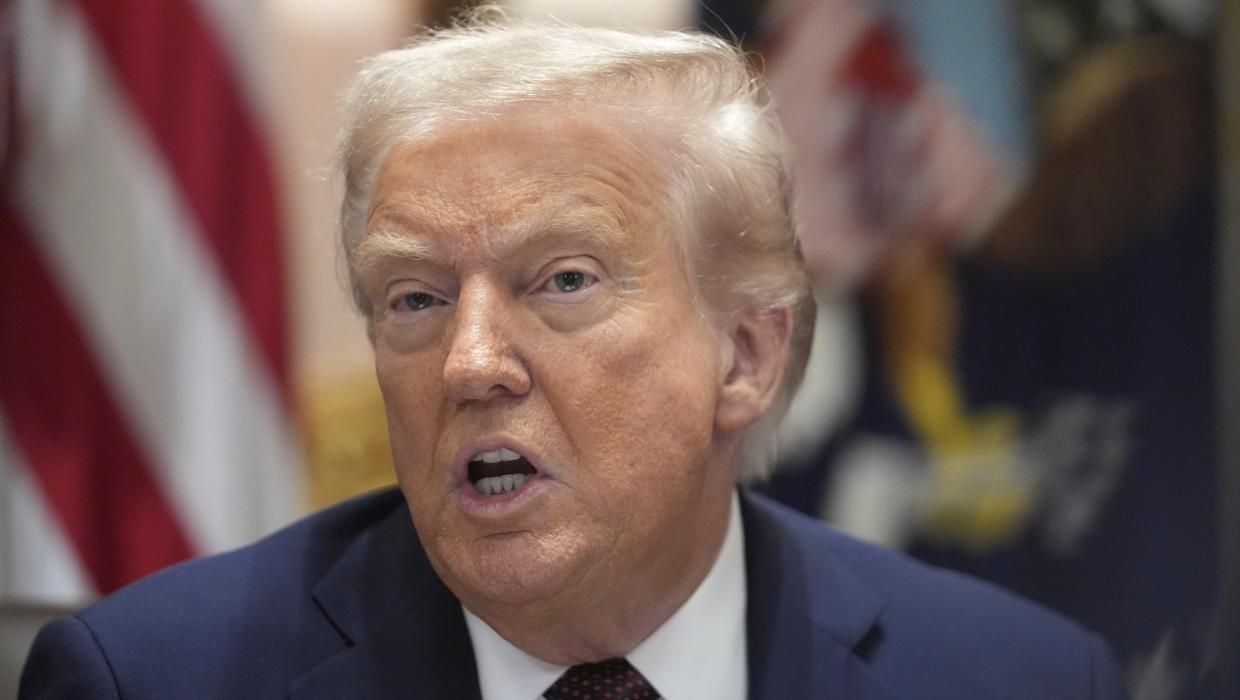
Donald Trump has taken a significant step by blocking $4.9 billion in foreign aid that had previously received approval from Congress. This action utilizes a legislative maneuver not seen in nearly 50 years, raising questions about the potential implications for executive power and budgetary authority in the United States.
The decision was announced on October 15, 2023, with the White House asserting that the funds would not be disbursed due to concerns over how they would be utilized. This move could set a precedent, allowing the president to bypass Congress in future spending decisions, which has traditionally been a legislative responsibility.
The funds in question were earmarked for various international programs, including security assistance for allied nations and humanitarian efforts. By blocking this aid, the Trump administration indicates a shift in foreign policy priorities, possibly reflecting a more isolationist approach.
Implications of the Blockade
Critics argue that this tactic undermines the checks and balances established by the U.S. Constitution. The use of this maneuver could lead to increased tension between the executive branch and Congress, particularly if it becomes a standard practice.
Historically, similar actions have been rare. The last instance of a president successfully blocking appropriated funds occurred in the 1970s, highlighting the unusual nature of this decision. Legal experts are now debating the ramifications of Trump’s actions, which may encourage future presidents to follow suit, further expanding executive power.
Supporters of the decision maintain that the president is exercising his constitutional authority to prioritize national interests. They argue that the funds could potentially be better allocated to domestic programs or other international initiatives deemed more beneficial to U.S. interests.
Future Outlook
As Trump’s administration continues to navigate complex geopolitical landscapes, the long-term effects of this maneuver remain uncertain. Lawmakers from both sides of the aisle are now contemplating potential legislative responses to curb executive overreach in budgetary matters.
In the coming weeks, Congress may seek to address the implications of this decision, potentially introducing measures to reaffirm its role in approving foreign aid. The ongoing debate will likely shape the future of U.S. foreign policy and the balance of power between the legislative and executive branches.
In summary, Trump’s blockade of $4.9 billion in foreign aid marks a pivotal moment in U.S. governance. As the political landscape shifts, the consequences of this maneuver will resonate through the halls of Congress and beyond, influencing how foreign aid is managed in the future.













New $25 Million Funding Boosts Hospital Capacity Ahead of Winter

Discover Sleep Space’s Affordable Bach Bed Packages Today

Jury Dismissed in Sexual Assault Trial Over Misguided Questions

Wellington’s New Gallery Unveils Community-Driven Art Exhibition

All Whites Face Challenges as Injuries Strike Before World Cup

Heroic Bystander Rescues Swimmers from Dangerous Surf in Napier

Nina Oyama Returns to Crime Comedy in Deadloch Season 2

China Southern Airlines Offers Reliable Journey from Auckland to Vietnam

Nina Oyama Returns to Deadloch for Anticipated Season 2

Community Mourns Teens Lost in Mount Maunganui Landslide

Tributes Pour In for Lachlan Rofe, Reality Star, Dead at 47

Private Funeral Held for Dean Field and His Three Children

Funeral Planned for Field Siblings After Tragic House Fire

Netball New Zealand Stands Down Dame Noeline Taurua for Series

Al Waha Motors Opens Flagship Jetour Showroom in Al Khor

Julian Dennison Ties the Knot with Christian Baledrokadroka in New Zealand

Auckland’s Average Rent Surpasses $700 for Three-Bedroom Homes

New Research Reveals Simple Path to Enhanced Happiness
-
 Top Stories7 months ago
Community Mourns Teens Lost in Mount Maunganui Landslide
-
 Entertainment11 months ago
Tributes Pour In for Lachlan Rofe, Reality Star, Dead at 47
-
 World9 months ago
Private Funeral Held for Dean Field and His Three Children
-
 Top Stories9 months ago
Funeral Planned for Field Siblings After Tragic House Fire
-
 Sports11 months ago
Netball New Zealand Stands Down Dame Noeline Taurua for Series
-
 Health7 months ago
Al Waha Motors Opens Flagship Jetour Showroom in Al Khor
-
 Entertainment7 months ago
Julian Dennison Ties the Knot with Christian Baledrokadroka in New Zealand
-
 Business7 months ago
Auckland’s Average Rent Surpasses $700 for Three-Bedroom Homes
-
 Science10 months ago
New Research Reveals Simple Path to Enhanced Happiness
-

 Entertainment10 months ago
New ‘Maverick’ Chaser Joins Beat the Chasers Season Finale
-

 Lifestyle10 months ago
Maia Wilson Faces Backlash Following Taurua’s Suspension
-

 Sports10 months ago
All Blacks Star Damian McKenzie and Partner Announce Baby News