
Politics
Trump Withdraws National Guard from Three Cities Amid Legal Setbacks

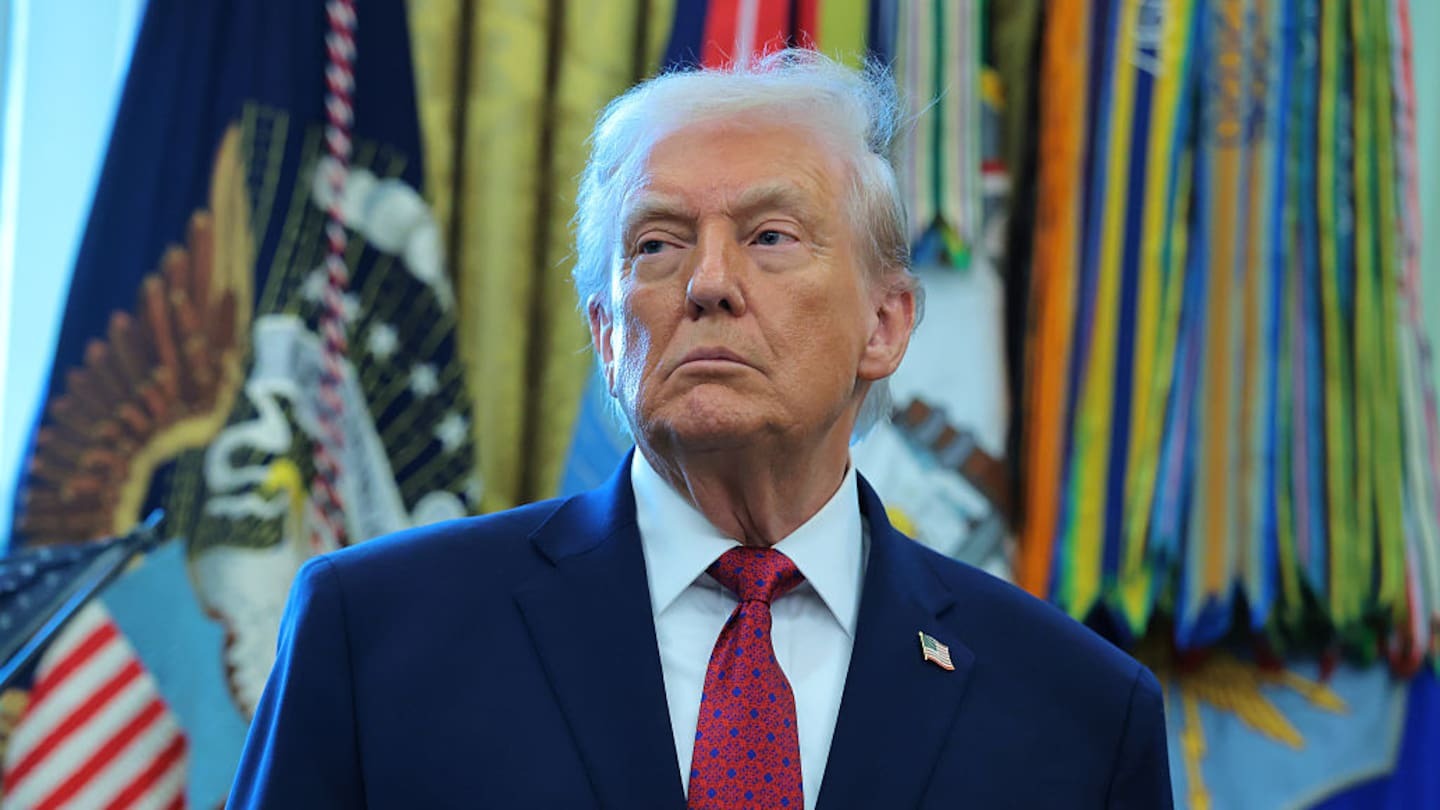
US President Donald Trump announced the withdrawal of National Guard troops from Chicago, Los Angeles, and Portland. This decision follows a series of legal challenges that have limited his administration’s military deployments in urban areas. The move marks a significant shift in Trump’s approach to addressing crime and immigration, which he has framed as a key element of his policy since returning to office in January.
In a message posted on his Truth Social network, Trump stated, “We are removing the National Guard from Chicago, Los Angeles and Portland, despite the fact that crime has been greatly reduced by having these great patriots in those cities.” He added that the federal intervention had been crucial, suggesting, “These cities would have been gone if it weren’t for the Federal Government stepping in.”
Local leaders have criticized the deployments as authoritarian, arguing that they usurp the authority of state and city law enforcement. Trump’s initial deployments were part of his administration’s hardline stance on immigration and crime, often targeting cities led by Democratic officials.
Legal Challenges Prompt Withdrawal
The legal landscape surrounding Trump’s National Guard deployments has shifted dramatically. Recent court rulings have favored local leaders, with the US Supreme Court blocking the Chicago deployment. On December 10, 2023, a federal judge ordered the end of the Los Angeles operation, compelling the administration to return control of the troops to California‘s Democratic Governor Gavin Newsom.
Newsom welcomed this decision, stating, “This admission by Trump and his occult cabinet members means this illegal intimidation tactic will finally come to an end.” This shift highlights the increasing pushback from state leaders against federal military interventions in local governance.
Trump had previously deployed National Guard troops in various cities, including Washington, Memphis, and even threatened to send them to San Francisco. However, as legal challenges mounted, his administration began to scale back these deployments. Reports indicated that around 300 National Guard troops remained in the Chicago area as of last week, but they were not engaged in active operations.
Impact on Local Communities and Future Plans
The National Guard’s presence in Los Angeles began in June when Trump ordered 4,000 reservists to quell protests against immigration raids. Local authorities argued that the protests, affecting only a small part of the city, could have been managed by city and county law enforcement without federal intervention.
As Trump pulls back the National Guard from these areas, he hinted at a potential return if crime rates were to rise again, stating, “We will come back, perhaps in a much different and stronger form, when crime begins to soar again – only a question of time!” This statement reflects his ongoing commitment to a tough-on-crime strategy, even as legal and political challenges continue to shape his administration’s military policies.
As the situation develops, the implications of this decision resonate across the political landscape, raising questions about the balance of power between federal and local authorities in addressing crime and public safety.











New $25 Million Funding Boosts Hospital Capacity Ahead of Winter

Discover Sleep Space’s Affordable Bach Bed Packages Today

Jury Dismissed in Sexual Assault Trial Over Misguided Questions

Wellington’s New Gallery Unveils Community-Driven Art Exhibition

All Whites Face Challenges as Injuries Strike Before World Cup

Heroic Bystander Rescues Swimmers from Dangerous Surf in Napier

Nina Oyama Returns to Crime Comedy in Deadloch Season 2

China Southern Airlines Offers Reliable Journey from Auckland to Vietnam

Nina Oyama Returns to Deadloch for Anticipated Season 2

Community Mourns Teens Lost in Mount Maunganui Landslide

Tributes Pour In for Lachlan Rofe, Reality Star, Dead at 47

Private Funeral Held for Dean Field and His Three Children

Funeral Planned for Field Siblings After Tragic House Fire

Netball New Zealand Stands Down Dame Noeline Taurua for Series

Al Waha Motors Opens Flagship Jetour Showroom in Al Khor

Julian Dennison Ties the Knot with Christian Baledrokadroka in New Zealand

Auckland’s Average Rent Surpasses $700 for Three-Bedroom Homes

New Research Reveals Simple Path to Enhanced Happiness
-
 Top Stories7 months ago
Community Mourns Teens Lost in Mount Maunganui Landslide
-
 Entertainment11 months ago
Tributes Pour In for Lachlan Rofe, Reality Star, Dead at 47
-
 World9 months ago
Private Funeral Held for Dean Field and His Three Children
-
 Top Stories9 months ago
Funeral Planned for Field Siblings After Tragic House Fire
-
 Sports11 months ago
Netball New Zealand Stands Down Dame Noeline Taurua for Series
-
 Health7 months ago
Al Waha Motors Opens Flagship Jetour Showroom in Al Khor
-
 Entertainment7 months ago
Julian Dennison Ties the Knot with Christian Baledrokadroka in New Zealand
-
 Business7 months ago
Auckland’s Average Rent Surpasses $700 for Three-Bedroom Homes
-
 Science10 months ago
New Research Reveals Simple Path to Enhanced Happiness
-

 Entertainment10 months ago
New ‘Maverick’ Chaser Joins Beat the Chasers Season Finale
-

 Lifestyle10 months ago
Maia Wilson Faces Backlash Following Taurua’s Suspension
-

 Sports10 months ago
All Blacks Star Damian McKenzie and Partner Announce Baby News