
Politics
Women Justices of the Peace Honored at South Island Gathering

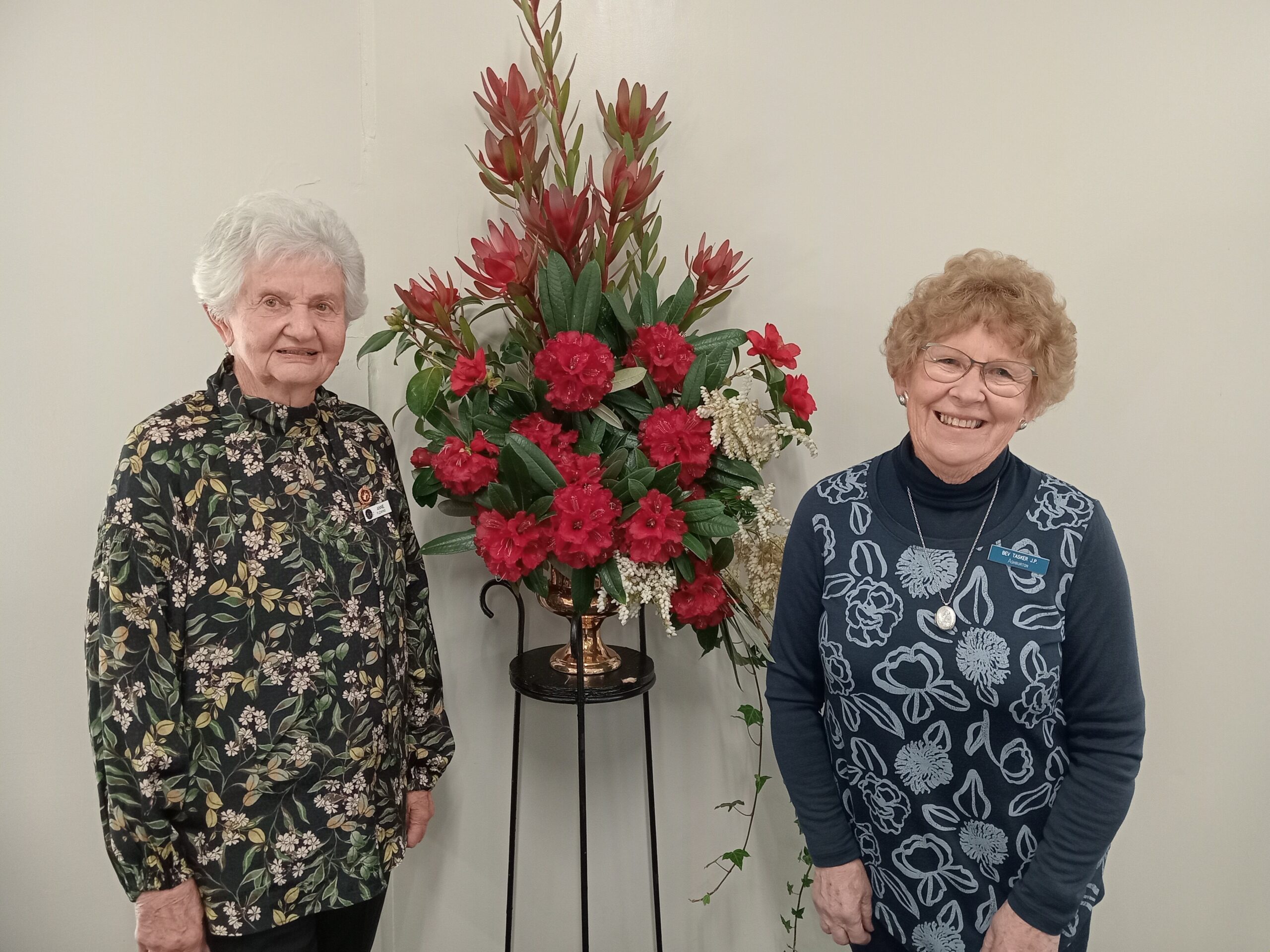
About 40 Justices of the Peace (JPs) from various regions, including Southland, Otago, North and South Canterbury, the West Coast, Christchurch, and Ashburton, gathered for a day and a half at the Plains Railway complex in Tinwald. The event featured discussions on JP duties and cultural insights, while also honoring the history of women in the role.
Attendees listened to speeches from Ashburton Mayor Neil Brown, Rangitata MP James Meager, and national president of the Royal Foundations NZ Justices’ Association Nigel Tate. The southern regional representative Tony Brien also contributed to the discussions. Special guests included Special Trade Envoy Hamish Marr, Rubisco natural fibres CEO Guy Wills, and Advance Ashburton Community Foundation executive officer Carolyn Clough, who shared insights into their respective roles.
The gathering also provided a platform for fellow JPs to discuss the cultural needs of clients from Samoan, Filipino, Nepalese, and European backgrounds accessing JP services. An interfaith reflection service underscored the significance of the volunteer work undertaken by JPs in their communities.
As Suffrage Day approaches on September 19, the event was a fitting occasion to explore the history of women becoming JPs in New Zealand. Recently retired female JPs Bev Tasker and Judicial JP Anne Fleming, both of whom dedicated decades to their JP duties, shared their experiences and insights.
The struggle for women to become JPs in New Zealand began in the late 1800s, facing strong opposition from male lawmakers. After women secured the right to vote in Parliamentary elections in 1893, the question arose as to whether Elizabeth Yates, elected Mayor of Onehunga in the following year, would also serve as a JP. Under-Secretary Charles Haselden advised the Minister of Justice that “I suppose Mrs. Yates must be sworn in as a JP.” This advice led to her appointment, marking a significant milestone.
In 1903, various women’s groups appealed to then Prime Minister Richard Seddon, who was known to be unsympathetic to women serving on juries or in the role of JPs, to reconsider the barriers preventing women from serving. Seddon responded, stating, “I firmly believe women’s emotions could warp their judgement.”
Finally, on August 23, 1936, the long-fought battle culminated in the Justices of the Peace Amendment Act 1926, which allowed for the permanent appointment of women as JPs. This victory was not merely a legal change; it symbolized a significant shift in societal attitudes towards women’s roles in public service.
The gathering in Tinwald served as a reminder of the progress made, while also highlighting the ongoing commitment of JPs to serve diverse communities across New Zealand.











New $25 Million Funding Boosts Hospital Capacity Ahead of Winter

Discover Sleep Space’s Affordable Bach Bed Packages Today

Jury Dismissed in Sexual Assault Trial Over Misguided Questions

Wellington’s New Gallery Unveils Community-Driven Art Exhibition

All Whites Face Challenges as Injuries Strike Before World Cup

Heroic Bystander Rescues Swimmers from Dangerous Surf in Napier

Nina Oyama Returns to Crime Comedy in Deadloch Season 2

China Southern Airlines Offers Reliable Journey from Auckland to Vietnam

Nina Oyama Returns to Deadloch for Anticipated Season 2

Community Mourns Teens Lost in Mount Maunganui Landslide

Tributes Pour In for Lachlan Rofe, Reality Star, Dead at 47

Private Funeral Held for Dean Field and His Three Children

Funeral Planned for Field Siblings After Tragic House Fire

Netball New Zealand Stands Down Dame Noeline Taurua for Series

Al Waha Motors Opens Flagship Jetour Showroom in Al Khor

Julian Dennison Ties the Knot with Christian Baledrokadroka in New Zealand

Auckland’s Average Rent Surpasses $700 for Three-Bedroom Homes

New Research Reveals Simple Path to Enhanced Happiness
-
 Top Stories7 months ago
Community Mourns Teens Lost in Mount Maunganui Landslide
-
 Entertainment11 months ago
Tributes Pour In for Lachlan Rofe, Reality Star, Dead at 47
-
 World9 months ago
Private Funeral Held for Dean Field and His Three Children
-
 Top Stories9 months ago
Funeral Planned for Field Siblings After Tragic House Fire
-
 Sports11 months ago
Netball New Zealand Stands Down Dame Noeline Taurua for Series
-
 Health7 months ago
Al Waha Motors Opens Flagship Jetour Showroom in Al Khor
-
 Entertainment7 months ago
Julian Dennison Ties the Knot with Christian Baledrokadroka in New Zealand
-
 Business7 months ago
Auckland’s Average Rent Surpasses $700 for Three-Bedroom Homes
-
 Science10 months ago
New Research Reveals Simple Path to Enhanced Happiness
-

 Entertainment10 months ago
New ‘Maverick’ Chaser Joins Beat the Chasers Season Finale
-

 Lifestyle10 months ago
Maia Wilson Faces Backlash Following Taurua’s Suspension
-

 Sports10 months ago
All Blacks Star Damian McKenzie and Partner Announce Baby News