
Science
Sir Richard Faull Retires After Pioneering Brain Research Career

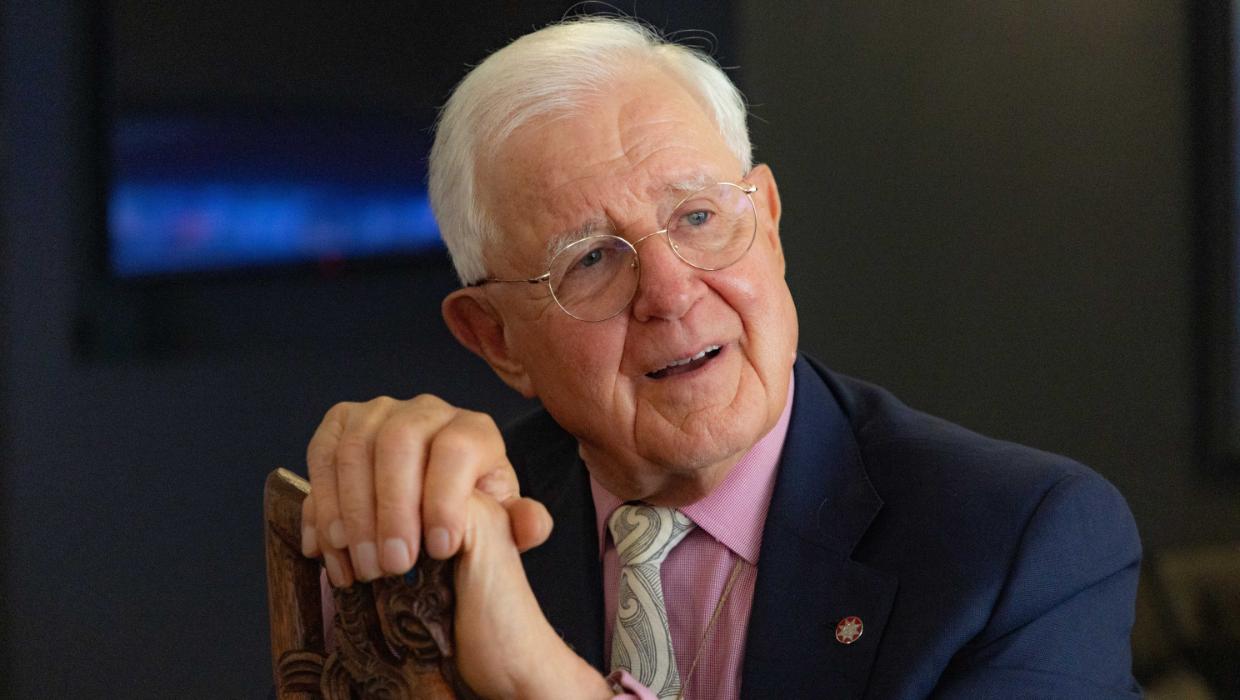
Sir Richard Faull, a prominent figure in global neuroscience, has officially retired from his position as director of the Centre for Brain Research at the University of Auckland. This transition marks the end of a remarkable career spanning several decades, during which Faull made significant contributions to the study of brain diseases and established a world-leading research institute.
Faull founded the Centre for Brain Research in 2009, and it has since become a hub for more than 500 scientists, clinicians, and engineers dedicated to advancing knowledge in neuroscience. His journey into the world of science began in the small town of Tikorangi, where he developed a passion for learning during his formative years at Waitara High School.
As the son of grocers Wilfred and Phyllis Faull, Sir Richard has often spoken about the profound influence of his upbringing on his career. He has a strong connection to his heritage, being a descendant of Ngāti Rāhiri and Te Atiawa. One of his inspirations is Te Rangi Hiroa Sir Peter Buck, the first Maori medical graduate of the University of Otago, where Faull himself completed his studies.
After graduating from Otago in 1970, Faull furthered his education in the United States, studying at prestigious institutions such as Harvard and MIT. In 1994, he established the Neurological Foundation Human Brain Bank in Auckland, which has been instrumental in research related to diseases like Alzheimer’s, Huntington’s, and epilepsy.
Sir Richard was knighted in 2017 for his extensive contributions to brain research. In 2023, he received a korowai and a tokotoko named Aumangea, symbolizing strength, leadership, and wisdom, from Rangi Bailey of Ngāti Rāhiri. He also earned an honorary doctorate of science from the University of Otago in December 2022, recognizing his outstanding achievements in the field.
Though Faull officially retired from full-time work at the Centre this month, he will continue to contribute to the field in an ambassadorial capacity. His successor, Professor Hanneke Hurst, comes from the University of Leiden in the Netherlands, bringing her expertise to the Centre as it moves forward.
Sir Richard Faull’s legacy will undoubtedly shape the future of neuroscience research and remain a source of inspiration for aspiring scientists around the world.










New $25 Million Funding Boosts Hospital Capacity Ahead of Winter

Discover Sleep Space’s Affordable Bach Bed Packages Today

Jury Dismissed in Sexual Assault Trial Over Misguided Questions

Wellington’s New Gallery Unveils Community-Driven Art Exhibition

All Whites Face Challenges as Injuries Strike Before World Cup

Heroic Bystander Rescues Swimmers from Dangerous Surf in Napier

Nina Oyama Returns to Crime Comedy in Deadloch Season 2

China Southern Airlines Offers Reliable Journey from Auckland to Vietnam

Nina Oyama Returns to Deadloch for Anticipated Season 2

Community Mourns Teens Lost in Mount Maunganui Landslide

Tributes Pour In for Lachlan Rofe, Reality Star, Dead at 47

Private Funeral Held for Dean Field and His Three Children

Funeral Planned for Field Siblings After Tragic House Fire

Netball New Zealand Stands Down Dame Noeline Taurua for Series

Al Waha Motors Opens Flagship Jetour Showroom in Al Khor

Julian Dennison Ties the Knot with Christian Baledrokadroka in New Zealand

Auckland’s Average Rent Surpasses $700 for Three-Bedroom Homes

New Research Reveals Simple Path to Enhanced Happiness
-
 Top Stories7 months ago
Community Mourns Teens Lost in Mount Maunganui Landslide
-
 Entertainment11 months ago
Tributes Pour In for Lachlan Rofe, Reality Star, Dead at 47
-
 World9 months ago
Private Funeral Held for Dean Field and His Three Children
-
 Top Stories9 months ago
Funeral Planned for Field Siblings After Tragic House Fire
-
 Sports11 months ago
Netball New Zealand Stands Down Dame Noeline Taurua for Series
-
 Health7 months ago
Al Waha Motors Opens Flagship Jetour Showroom in Al Khor
-
 Entertainment7 months ago
Julian Dennison Ties the Knot with Christian Baledrokadroka in New Zealand
-
 Business7 months ago
Auckland’s Average Rent Surpasses $700 for Three-Bedroom Homes
-
 Science10 months ago
New Research Reveals Simple Path to Enhanced Happiness
-

 Entertainment10 months ago
New ‘Maverick’ Chaser Joins Beat the Chasers Season Finale
-

 Lifestyle10 months ago
Maia Wilson Faces Backlash Following Taurua’s Suspension
-

 Sports10 months ago
All Blacks Star Damian McKenzie and Partner Announce Baby News