
Science
Understanding the Dynamics of Workplace “Work Magnets” and “Repellers”

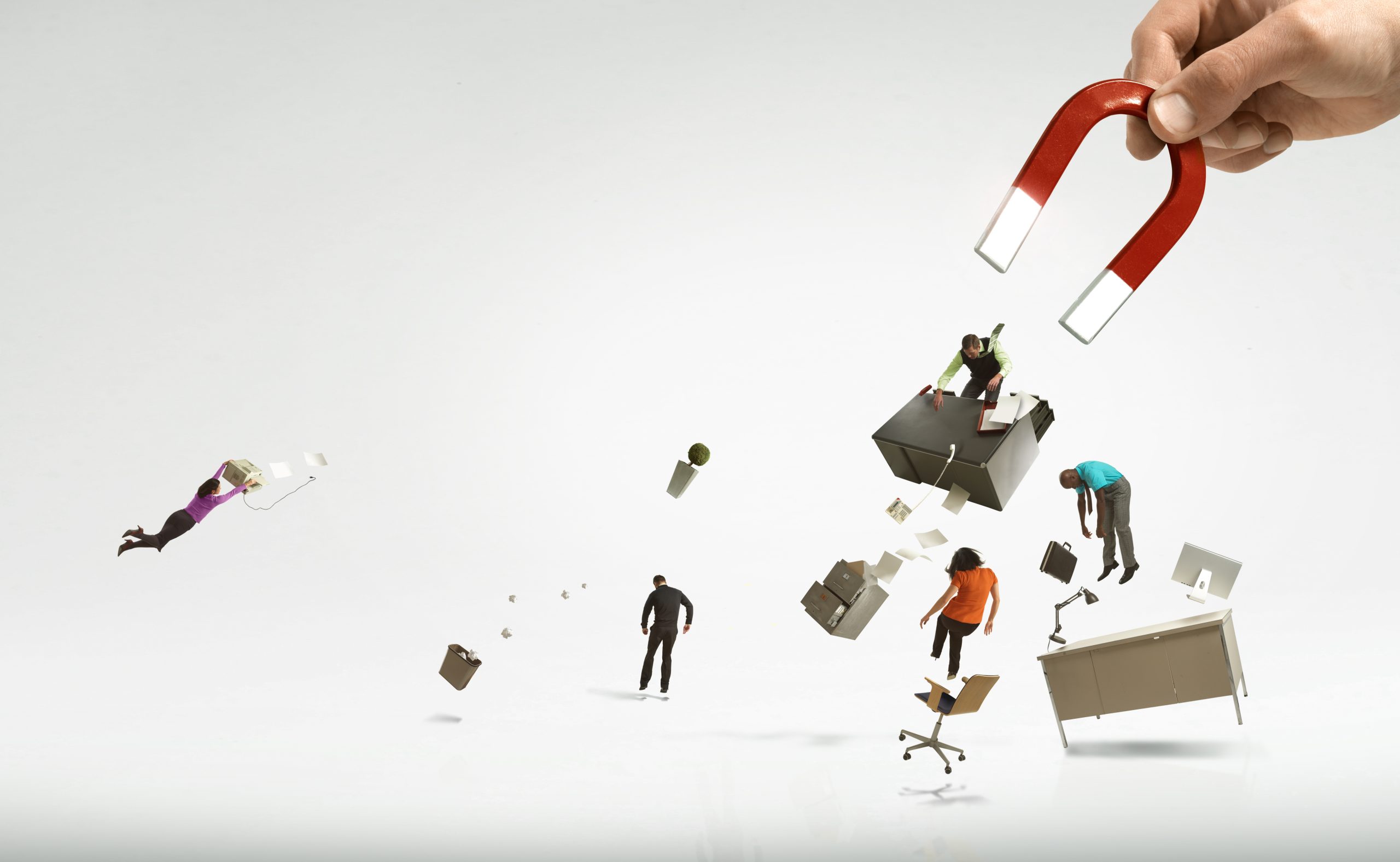
In workplaces worldwide, a phenomenon has emerged highlighting the uneven distribution of work requests. Researchers from the Victoria University of Wellington have identified two distinct categories of employees: those who attract tasks, termed “work magnets,” and those who repel them, referred to as “work repellers.” This distinction raises important questions about workplace dynamics and the implications for employee well-being.
Defining Work Magnets and Work Repellers
Work magnets are individuals who consistently attract requests for assistance, often stepping in to fill gaps even when these tasks fall outside their formal responsibilities. They are perceived as reliable, competent, and agreeable, making them the go-to employees when urgent needs arise. Conversely, work repellers, despite being available and capable, are seldom asked to contribute beyond their basic duties. This disparity in task allocation has prompted researchers to delve deeper into the underlying factors that contribute to such unequal distributions.
The researchers propose that work magnetism stems from two primary factors: the perception of an individual by their colleagues and their formal position within the workplace hierarchy. Those perceived as “ideal helpers” tend to possess a combination of traits that make them attractive for additional work. These traits include competence, reliability, and, notably, agreeableness. Work magnets typically impose fewer barriers when approached for help, facilitating requests that may be more challenging with work repellers.
Perceptions and Stereotypes in the Workplace
The study highlights the role of gender and ethnic stereotypes in shaping perceptions of employees. Women and ethnic minorities often find themselves labelled as ideal helpers, leading to a higher volume of work requests that may not be explicitly rewarded. This trend can create a cycle where those perceived as more agreeable are less able to decline additional responsibilities, putting them at risk of burnout and hindering career advancement.
Moreover, the researchers point out that an individual’s workplace position significantly influences their magnetism. Employees in roles that are equal to or lower than those making requests are more likely to be approached for extra tasks. Those with a broader network and fuzzy job descriptions are also more likely to attract work, as their responsibilities appear flexible enough to encompass additional tasks.
Importantly, while the conventional wisdom often suggests that individuals struggling with workload should simply “say no” more often, this perspective overlooks the complexities of work magnetism. As the researchers assert, the factors contributing to an individual’s work magnetism often extend beyond personal choice, encompassing societal stereotypes and workplace dynamics.
Implications for Workplace Dynamics
Recognizing the implications of work magnetism is essential for fostering a healthier work environment. While being seen as a work magnet can be beneficial—signifying trust and reliability—it can also lead to overwhelming workloads. If the majority of additional responsibilities consist of undesirable tasks that others avoid, it can diminish job satisfaction and increase turnover rates.
The ongoing research aims to further explore these dynamics and their impact on employee well-being. The researchers invite feedback from individuals who identify with these concepts, encouraging a broader dialogue on the implications of work magnetism in various organizational contexts. Interested parties can reach out to Rebecca Downes at [email protected] or Ben Walker at [email protected].
This exploration into the nature of work magnetism not only sheds light on the disparities in task distribution but also highlights the need for organizations to consider how perceptions and biases shape workplace interactions. By addressing these issues, companies can work towards creating a more equitable distribution of responsibilities, ultimately benefiting all employees.









New $25 Million Funding Boosts Hospital Capacity Ahead of Winter

Discover Sleep Space’s Affordable Bach Bed Packages Today

Jury Dismissed in Sexual Assault Trial Over Misguided Questions

Wellington’s New Gallery Unveils Community-Driven Art Exhibition

All Whites Face Challenges as Injuries Strike Before World Cup

Heroic Bystander Rescues Swimmers from Dangerous Surf in Napier

Nina Oyama Returns to Crime Comedy in Deadloch Season 2

China Southern Airlines Offers Reliable Journey from Auckland to Vietnam

Nina Oyama Returns to Deadloch for Anticipated Season 2

Community Mourns Teens Lost in Mount Maunganui Landslide

Tributes Pour In for Lachlan Rofe, Reality Star, Dead at 47

Private Funeral Held for Dean Field and His Three Children

Funeral Planned for Field Siblings After Tragic House Fire

Netball New Zealand Stands Down Dame Noeline Taurua for Series

Al Waha Motors Opens Flagship Jetour Showroom in Al Khor

Julian Dennison Ties the Knot with Christian Baledrokadroka in New Zealand

Auckland’s Average Rent Surpasses $700 for Three-Bedroom Homes

New Research Reveals Simple Path to Enhanced Happiness
-
 Top Stories7 months ago
Community Mourns Teens Lost in Mount Maunganui Landslide
-
 Entertainment11 months ago
Tributes Pour In for Lachlan Rofe, Reality Star, Dead at 47
-
 World9 months ago
Private Funeral Held for Dean Field and His Three Children
-
 Top Stories9 months ago
Funeral Planned for Field Siblings After Tragic House Fire
-
 Sports11 months ago
Netball New Zealand Stands Down Dame Noeline Taurua for Series
-
 Health7 months ago
Al Waha Motors Opens Flagship Jetour Showroom in Al Khor
-
 Entertainment7 months ago
Julian Dennison Ties the Knot with Christian Baledrokadroka in New Zealand
-
 Business7 months ago
Auckland’s Average Rent Surpasses $700 for Three-Bedroom Homes
-
 Science10 months ago
New Research Reveals Simple Path to Enhanced Happiness
-

 Entertainment10 months ago
New ‘Maverick’ Chaser Joins Beat the Chasers Season Finale
-

 Lifestyle10 months ago
Maia Wilson Faces Backlash Following Taurua’s Suspension
-

 Sports10 months ago
All Blacks Star Damian McKenzie and Partner Announce Baby News