
Science
Understanding Workplace Dynamics: Are You a Work Magnet?

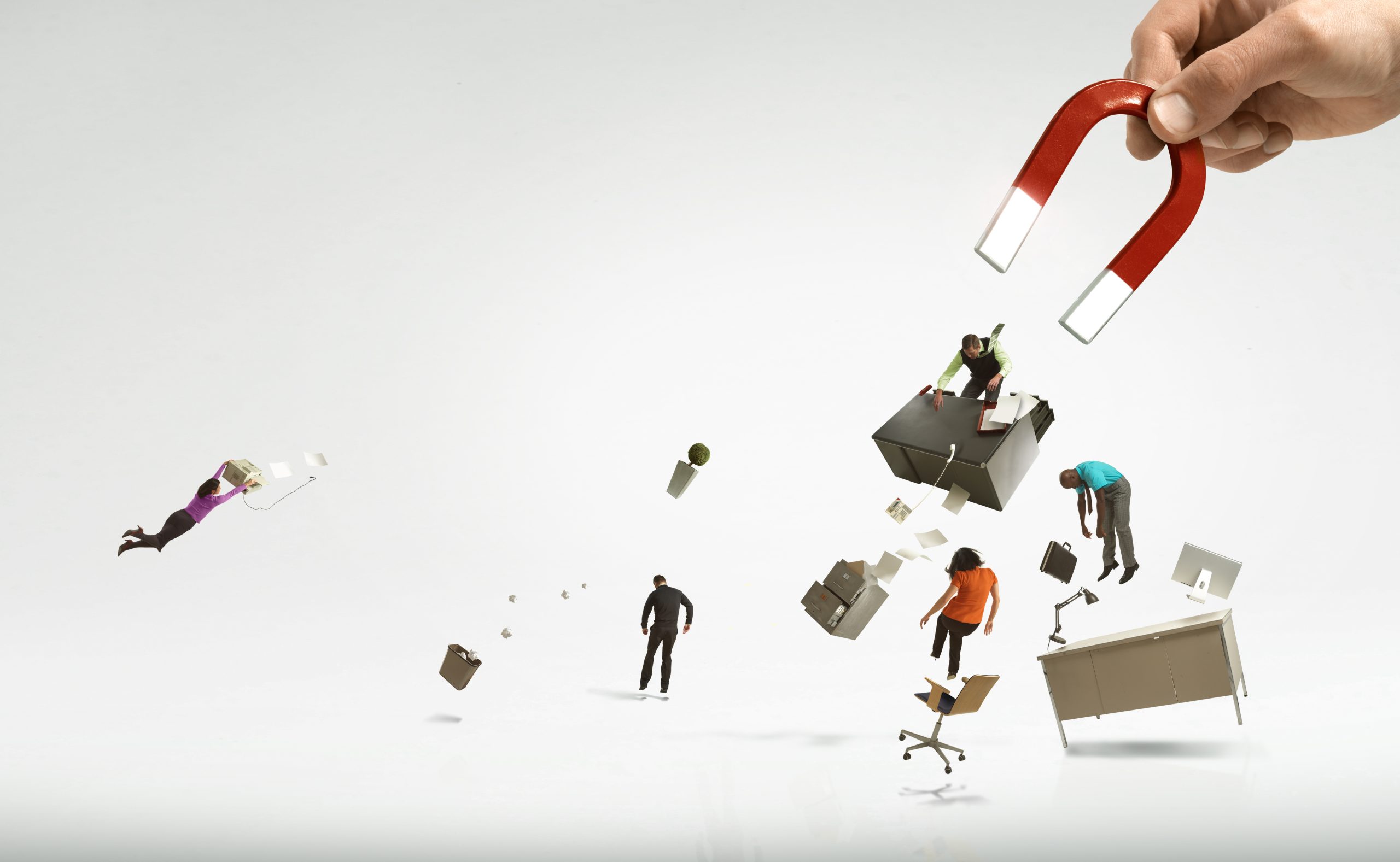
Identifying the dynamics of workplace relationships can reveal why some individuals consistently receive additional tasks while others remain overlooked. A recent exploration into workplace behavior has introduced the concepts of “work magnets” and “work repellers.” Researchers from Victoria University of Wellington, including Rebecca Downes and Ben Walker, have sought to understand the factors influencing these roles.
The term “work magnet” refers to those individuals who are frequently approached for help, often stepping in to resolve issues or take on extra tasks. These employees are typically seen as reliable, competent, and willing to assist others, even when they themselves are busy. Conversely, “work repellers” are those who, despite being available and capable, seldom receive such requests.
To investigate this phenomenon, Downes and Walker delved into the reasons behind this uneven distribution of workload. While it is intuitive to think that capability alone drives requests for help, the researchers argue that a more complex interplay of perceptions and workplace hierarchy is at play.
Perceptions and Ideal Helper Syndrome
The researchers suggest that work magnets are often viewed by their peers as the “ideal helpers.” This perception is shaped by a specific blend of traits, including competence, reliability, and agreeableness. Agreeableness, in particular, plays a crucial role: work magnets tend to create fewer obstacles for colleagues seeking assistance, making it easier for others to approach them.
In contrast, work repellers may inadvertently present barriers, such as terse communication or a lack of responsiveness, which discourage requests for their help. Notably, existing research indicates that women and ethnic minorities are often perceived as more agreeable, which can lead to them attracting an unfair share of work. This perception may stem from societal stereotypes that position these groups as more approachable, further complicating their workload dynamics.
The Impact of Workplace Hierarchy
Another significant factor in work magnetism is an individual’s position within the workplace hierarchy. Generally, colleagues are less likely to request help from those in higher positions, such as senior managers. Instead, work magnets often hold roles equal to or lower than their peers, facilitating more frequent interactions and requests for assistance.
Additionally, individuals with vague job descriptions may find themselves more frequently approached, as their responsibilities appear to encompass a broader range of tasks. This ambiguity can lend legitimacy to requests, increasing the likelihood that they will be accepted.
The implications of these findings are profound. Conventional advice often encourages individuals overwhelmed by their workload to simply “say no” more frequently. However, this perspective overlooks the structural and perceptual factors that contribute to work magnetism.
While it is important for individuals to manage their responsibilities, it is equally vital for organizations to recognize the underlying factors that lead to unequal work distribution. Over-reliance on work magnets can lead to burnout, as these individuals may find themselves burdened with challenging tasks that others avoid.
As Downes and Walker continue their research into work magnetism, they aim to shed light on these dynamics and how they can be addressed. They invite feedback from others who resonate with these concepts, encouraging discussions about workplace equity and support mechanisms.
In summary, understanding the characteristics of work magnets and work repellers not only provides insight into workplace dynamics but also highlights the need for more equitable distributions of tasks. The balance between being seen as the go-to person and managing one’s workload is crucial for maintaining both career progression and personal well-being in the workplace.









New $25 Million Funding Boosts Hospital Capacity Ahead of Winter

Discover Sleep Space’s Affordable Bach Bed Packages Today

Jury Dismissed in Sexual Assault Trial Over Misguided Questions

Wellington’s New Gallery Unveils Community-Driven Art Exhibition

All Whites Face Challenges as Injuries Strike Before World Cup

Heroic Bystander Rescues Swimmers from Dangerous Surf in Napier

Nina Oyama Returns to Crime Comedy in Deadloch Season 2

China Southern Airlines Offers Reliable Journey from Auckland to Vietnam

Nina Oyama Returns to Deadloch for Anticipated Season 2

Community Mourns Teens Lost in Mount Maunganui Landslide

Tributes Pour In for Lachlan Rofe, Reality Star, Dead at 47

Private Funeral Held for Dean Field and His Three Children

Funeral Planned for Field Siblings After Tragic House Fire

Netball New Zealand Stands Down Dame Noeline Taurua for Series

Julian Dennison Ties the Knot with Christian Baledrokadroka in New Zealand

New Research Reveals Simple Path to Enhanced Happiness

New ‘Maverick’ Chaser Joins Beat the Chasers Season Finale

Silver Ferns Legend Laura Langman Criticizes Team’s Attitude
-
 Top Stories3 months ago
Community Mourns Teens Lost in Mount Maunganui Landslide
-
 Entertainment7 months ago
Tributes Pour In for Lachlan Rofe, Reality Star, Dead at 47
-
 World5 months ago
Private Funeral Held for Dean Field and His Three Children
-
 Top Stories5 months ago
Funeral Planned for Field Siblings After Tragic House Fire
-
 Sports7 months ago
Netball New Zealand Stands Down Dame Noeline Taurua for Series
-
 Entertainment3 months ago
Julian Dennison Ties the Knot with Christian Baledrokadroka in New Zealand
-
 Science6 months ago
New Research Reveals Simple Path to Enhanced Happiness
-
 Entertainment6 months ago
New ‘Maverick’ Chaser Joins Beat the Chasers Season Finale
-
 Sports7 months ago
Silver Ferns Legend Laura Langman Criticizes Team’s Attitude
-

 Sports5 months ago
Eli Katoa Rushed to Hospital After Sideline Incident During Match
-

 Sports6 months ago
All Blacks Star Damian McKenzie and Partner Announce Baby News
-

 Politics6 months ago
Netball NZ Calls for Respect Amid Dame Taurua’s Standoff