
Science
Understanding Workplace Dynamics: Are You a Work Magnet or Repeller?

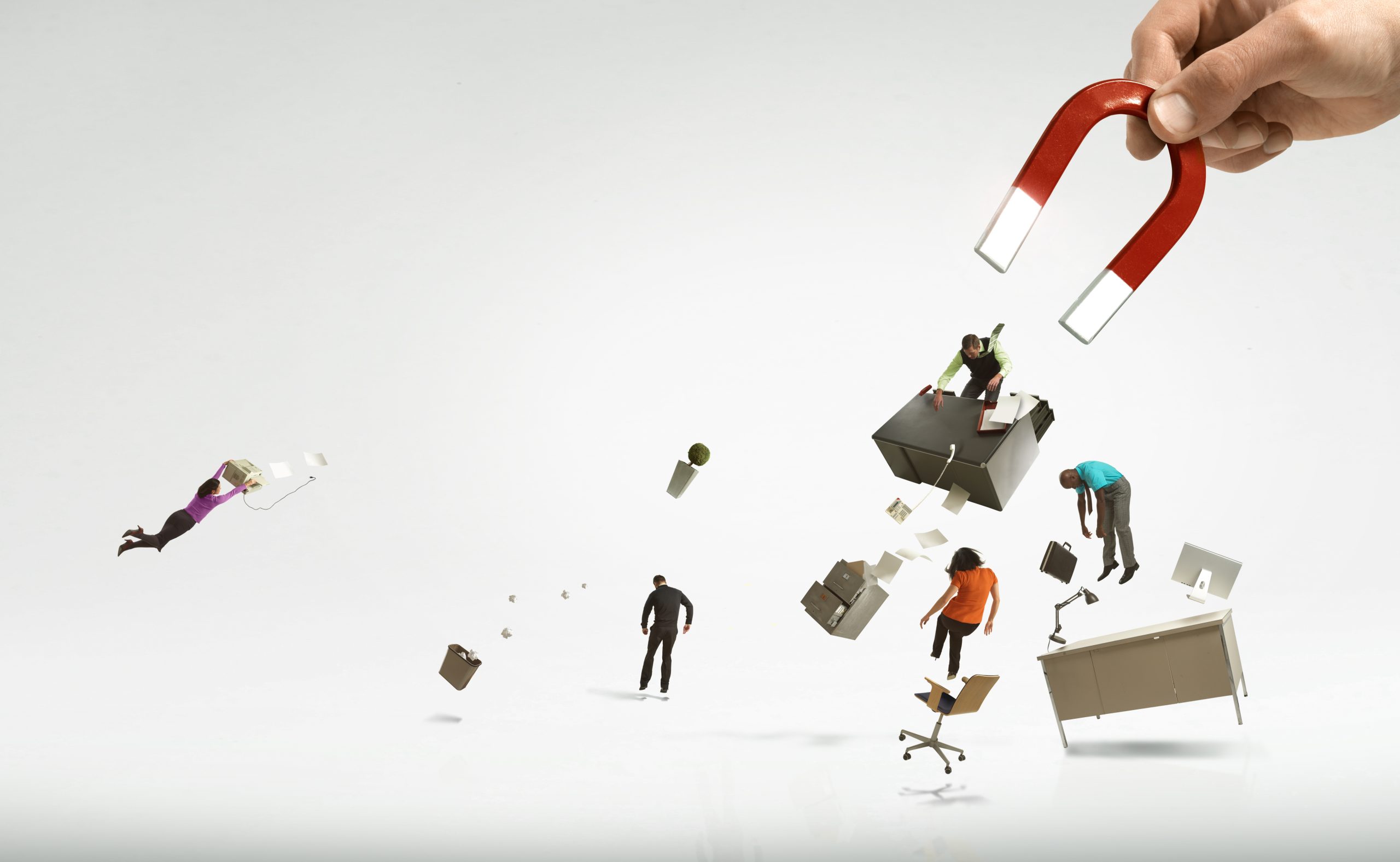
In many workplaces, individuals are often categorized as either ‘work magnets’ or ‘work repellers’. This distinction highlights how some employees consistently attract requests for assistance, while others remain overlooked despite their capabilities. Researchers from the Victoria University of Wellington, including Rebecca Downes and Ben Walker, are exploring the reasons behind this unequal distribution of work requests.
Work magnets tend to be reliable and competent, often stepping in to help with last-minute tasks that are not part of their formal job descriptions. They typically possess a blend of skills that makes them desirable for collaboration. On the other end of the spectrum, work repellers are those who, despite being available, seldom receive requests for help.
The researchers propose a theory that identifies two primary factors influencing work magnetism: how colleagues perceive individuals and their formal position within the workplace hierarchy.
The Ideal Helper Syndrome
Perception plays a crucial role in determining whether someone is viewed as an ideal helper. Work magnets often embody traits such as competence, reliability, and agreeableness. They impose minimal obstacles for colleagues seeking assistance, making them more approachable. In contrast, work repellers may respond to requests with terse communications or require constant follow-ups, which can deter colleagues from approaching them.
Stereotypes significantly impact these perceptions. Previous studies indicate that women and ethnic minorities are often perceived as more agreeable, which can lead to them being seen as ideal helpers. While this might seem advantageous, it can also lead to an overwhelming workload that hinders career advancement. The tendency to assign more work to these groups may not be entirely fair, especially when it results in burnout.
The Role of Workplace Position
Another essential aspect of work magnetism is the individual’s position within the workplace hierarchy. Generally, employees with equal or lower power than their peers are more likely to be asked for help. For instance, colleagues are unlikely to approach senior management for ad hoc tasks. Those who occupy roles that facilitate networking across the organization are also more exposed to requests for assistance.
Additionally, employees with vaguely defined job descriptions may find themselves inundated with requests, as their responsibilities appear flexible enough to accommodate additional tasks. This combination of factors creates a dynamic where certain individuals attract more work than their peers.
The conventional advice for individuals overwhelmed by their workloads typically suggests simply learning to say ‘no’. However, this perspective overlooks the broader issues at play. While some individuals may contribute to their own work magnetism by being overly accommodating, external factors such as gender stereotypes, ethnic biases, and workplace hierarchy also play significant roles.
The researchers emphasize that a certain degree of work magnetism can be beneficial, as it fosters a sense of being valued in the workplace. Nonetheless, excessive work magnetism can lead to burnout and dissatisfaction, particularly when the tasks assigned are primarily undesirable.
Further studies are planned to delve deeper into work magnetism and its implications for workplace dynamics. The research team welcomes insights from individuals who recognize themselves or their colleagues in these categories. Those interested can reach out via email to [email protected] or [email protected].
Understanding the complexities of work magnetism can provide a foundation for addressing uneven workloads and ensuring fair distribution of responsibilities across teams.









New $25 Million Funding Boosts Hospital Capacity Ahead of Winter

Discover Sleep Space’s Affordable Bach Bed Packages Today

Jury Dismissed in Sexual Assault Trial Over Misguided Questions

Wellington’s New Gallery Unveils Community-Driven Art Exhibition

All Whites Face Challenges as Injuries Strike Before World Cup

Heroic Bystander Rescues Swimmers from Dangerous Surf in Napier

Nina Oyama Returns to Crime Comedy in Deadloch Season 2

China Southern Airlines Offers Reliable Journey from Auckland to Vietnam

Nina Oyama Returns to Deadloch for Anticipated Season 2

Community Mourns Teens Lost in Mount Maunganui Landslide

Tributes Pour In for Lachlan Rofe, Reality Star, Dead at 47

Private Funeral Held for Dean Field and His Three Children

Funeral Planned for Field Siblings After Tragic House Fire

Al Waha Motors Opens Flagship Jetour Showroom in Al Khor

Netball New Zealand Stands Down Dame Noeline Taurua for Series

Julian Dennison Ties the Knot with Christian Baledrokadroka in New Zealand

Auckland’s Average Rent Surpasses $700 for Three-Bedroom Homes

New Research Reveals Simple Path to Enhanced Happiness
-
 Top Stories7 months ago
Community Mourns Teens Lost in Mount Maunganui Landslide
-
 Entertainment12 months ago
Tributes Pour In for Lachlan Rofe, Reality Star, Dead at 47
-
 World9 months ago
Private Funeral Held for Dean Field and His Three Children
-
 Top Stories9 months ago
Funeral Planned for Field Siblings After Tragic House Fire
-
 Health7 months ago
Al Waha Motors Opens Flagship Jetour Showroom in Al Khor
-
 Sports12 months ago
Netball New Zealand Stands Down Dame Noeline Taurua for Series
-
 Entertainment7 months ago
Julian Dennison Ties the Knot with Christian Baledrokadroka in New Zealand
-
 Business8 months ago
Auckland’s Average Rent Surpasses $700 for Three-Bedroom Homes
-
 Science10 months ago
New Research Reveals Simple Path to Enhanced Happiness
-

 Entertainment11 months ago
New ‘Maverick’ Chaser Joins Beat the Chasers Season Finale
-

 Lifestyle11 months ago
Maia Wilson Faces Backlash Following Taurua’s Suspension
-

 Sports10 months ago
All Blacks Star Damian McKenzie and Partner Announce Baby News