
Science
US Invests $12 Billion in Critical Minerals Amid Global Demand Surge

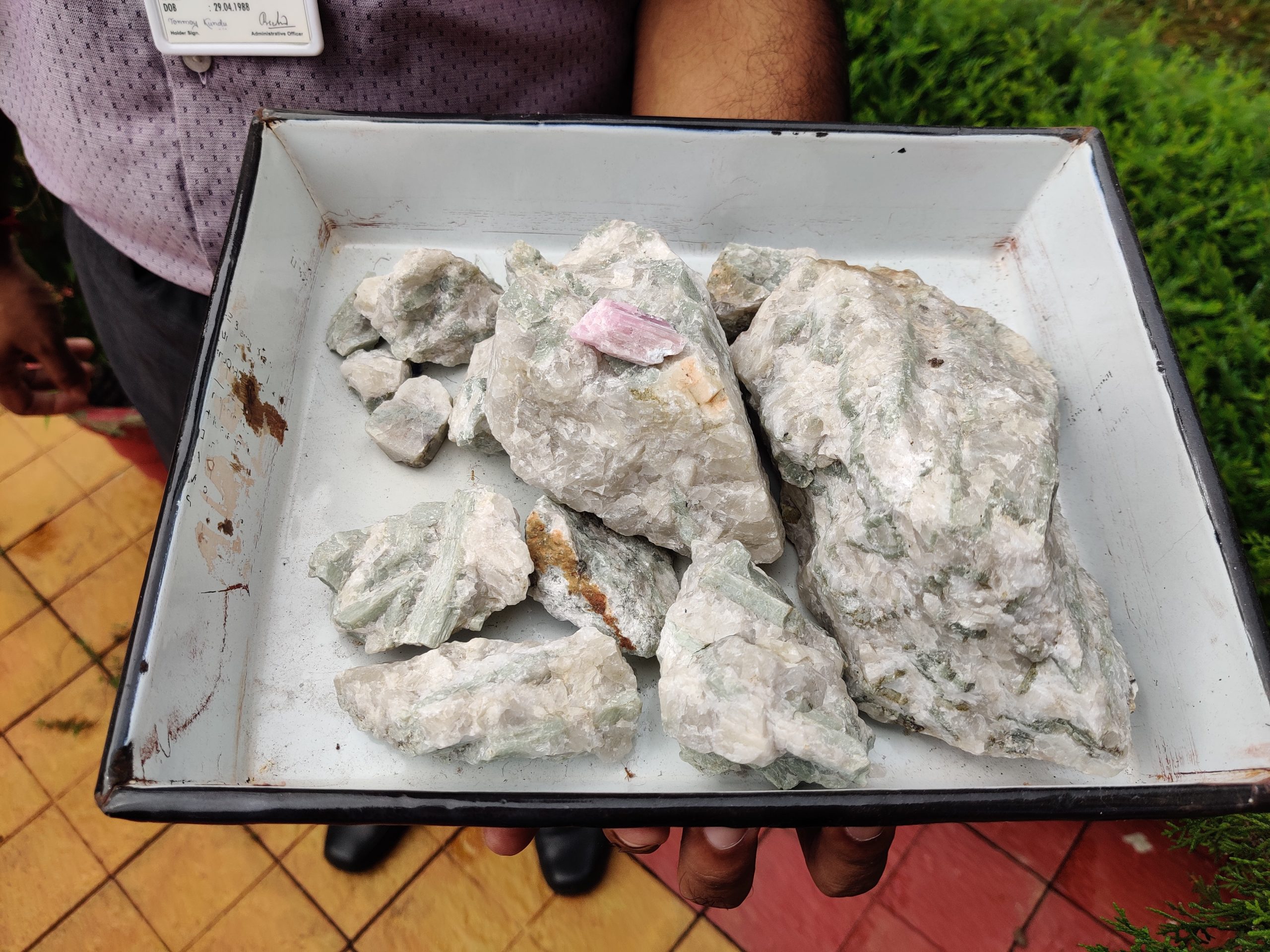
The United States has announced a significant investment of $12 billion in a stockpile of critical minerals through a new initiative known as Project Vault. This move highlights the growing geopolitical tensions surrounding the supply of essential materials that modern technologies depend on, particularly as nations strive to transition away from fossil fuels.
China currently dominates the market for rare earth elements, which include a group of 17 elements known as the lanthanides, along with other critical materials like cobalt, nickel, and lithium. The increasing reliance on these minerals has raised global concerns about their availability and the associated supply chains. The demand for these materials is expected to escalate as industries move towards greener technologies, emphasizing the importance of securing reliable sources.
New Zealand, while not a major player in the global mining landscape, does possess valuable mineral deposits. The New Zealand government has expressed intentions to expand access to these resources, despite potential environmental implications. In a recent statement, New Zealand politician Shane Jones suggested that conservation efforts could be hindering economic progress, indicating a shift in governmental stance towards mining.
US-New Zealand Collaboration on Critical Minerals
The recent agreement to establish a US-New Zealand Critical Minerals Framework underscores the evolving dynamics in the mining sector. While the specifics of this partnership are still being determined, the potential for increased mining activities, including on conservation land, is a pressing issue that warrants careful consideration.
As a materials scientist, I recognize the necessity of mining as an industry that serves multiple societal needs. Yet, we face critical choices regarding the methods and locations of mineral extraction. While I personally oppose mining on conservation land, the broader question arises: should New Zealand pursue responsible mining practices within its borders when alternatives are often less environmentally friendly in other countries?
We must confront the reality of our dependence on both domestic and imported minerals, acknowledging the ethical dilemma of preserving our environment while relying on resources extracted elsewhere. The ongoing discussions surrounding the US investment highlight the complexities involved in balancing economic development with environmental stewardship.
Innovative Solutions for Material Sustainability
In the backdrop of these geopolitical discussions lies the need for innovative approaches to mineral usage. The distinction between minerals and the materials derived from them is crucial. New Zealand is home to several pioneering companies, such as Mint Innovation and Zincovery, that focus on extracting critical elements from technological waste, promoting a circular economy that emphasizes sustainability.
Another promising venture is that of Tasmanion, which aims to develop aluminium-based batteries, potentially reducing reliance on lithium. These advancements reflect a growing trend within the materials science community to find substitutes for rare elements, thereby diminishing the urgency of mining.
The focus should not solely rest on mineral extraction. The evolving landscape of technology presents opportunities to engineer materials that meet our needs without depleting finite resources. Advances in quantum computing and artificial intelligence are paving the way for breakthroughs in materials design, allowing scientists to explore combinations of elements that could yield desirable properties.
As we navigate the complexities of critical mineral supply and demand, it is essential to recognize that our future does not solely hinge on mining. The ongoing dialogue about these resources must also encompass innovative solutions that prioritize environmental responsibility and sustainability.
In conclusion, while the $12 billion investment by the United States in critical minerals marks a significant development in the global market, it is critical to consider the broader implications for New Zealand and the world. Addressing the challenges of mineral availability and environmental impact requires a multifaceted approach that embraces both technological innovation and responsible resource management.










New $25 Million Funding Boosts Hospital Capacity Ahead of Winter

Discover Sleep Space’s Affordable Bach Bed Packages Today

Jury Dismissed in Sexual Assault Trial Over Misguided Questions

Wellington’s New Gallery Unveils Community-Driven Art Exhibition

All Whites Face Challenges as Injuries Strike Before World Cup

Heroic Bystander Rescues Swimmers from Dangerous Surf in Napier

Nina Oyama Returns to Crime Comedy in Deadloch Season 2

China Southern Airlines Offers Reliable Journey from Auckland to Vietnam

Nina Oyama Returns to Deadloch for Anticipated Season 2

Community Mourns Teens Lost in Mount Maunganui Landslide

Tributes Pour In for Lachlan Rofe, Reality Star, Dead at 47

Private Funeral Held for Dean Field and His Three Children

Funeral Planned for Field Siblings After Tragic House Fire

Netball New Zealand Stands Down Dame Noeline Taurua for Series

Al Waha Motors Opens Flagship Jetour Showroom in Al Khor

Julian Dennison Ties the Knot with Christian Baledrokadroka in New Zealand

Auckland’s Average Rent Surpasses $700 for Three-Bedroom Homes

New Research Reveals Simple Path to Enhanced Happiness
-
 Top Stories7 months ago
Community Mourns Teens Lost in Mount Maunganui Landslide
-
 Entertainment11 months ago
Tributes Pour In for Lachlan Rofe, Reality Star, Dead at 47
-
 World9 months ago
Private Funeral Held for Dean Field and His Three Children
-
 Top Stories9 months ago
Funeral Planned for Field Siblings After Tragic House Fire
-
 Sports11 months ago
Netball New Zealand Stands Down Dame Noeline Taurua for Series
-
 Health7 months ago
Al Waha Motors Opens Flagship Jetour Showroom in Al Khor
-
 Entertainment7 months ago
Julian Dennison Ties the Knot with Christian Baledrokadroka in New Zealand
-
 Business7 months ago
Auckland’s Average Rent Surpasses $700 for Three-Bedroom Homes
-
 Science10 months ago
New Research Reveals Simple Path to Enhanced Happiness
-

 Entertainment10 months ago
New ‘Maverick’ Chaser Joins Beat the Chasers Season Finale
-

 Lifestyle10 months ago
Maia Wilson Faces Backlash Following Taurua’s Suspension
-

 Sports10 months ago
All Blacks Star Damian McKenzie and Partner Announce Baby News