
Science
US Unveils $12 Billion Critical Minerals Initiative Amid Global Tensions

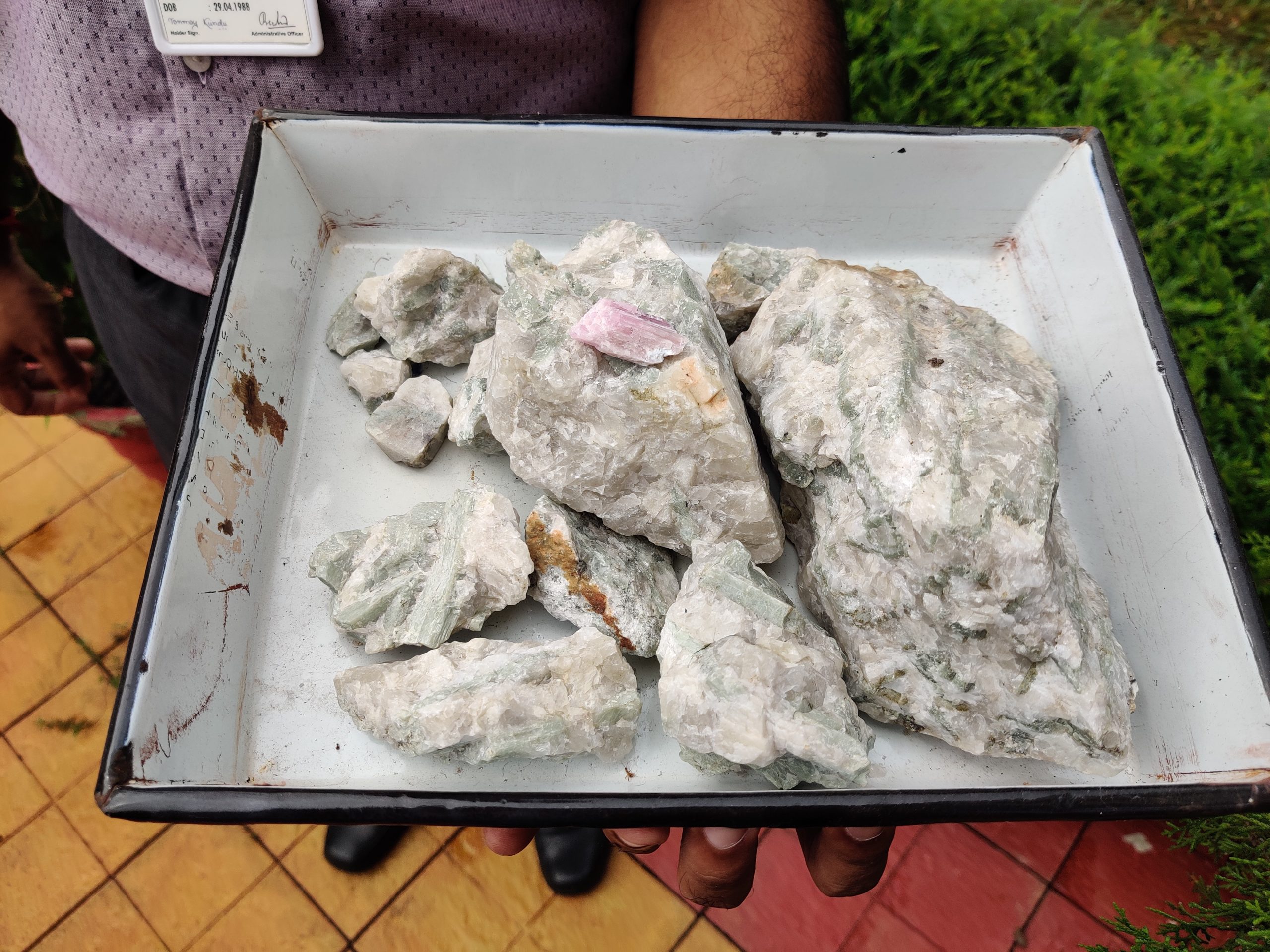
The United States has announced a significant investment of $12 billion for a stockpile of critical minerals through a new initiative known as Project Vault. This move comes amid escalating global concerns regarding the availability of essential elements required for modern technologies, particularly as China maintains a tight grip on the supply of rare earth elements. The announcement signals a growing recognition of the geopolitical implications surrounding critical minerals, which are vital for various applications, including lithium batteries and advanced computing.
The ramifications of this initiative extend to international partnerships, as evidenced by the recent agreement to develop a US-New Zealand Critical Minerals Framework. While details remain sparse, this agreement indicates a potential expansion of mining activities in New Zealand, including within its conservation estate. The New Zealand government has expressed interest in opening access to its mineral deposits, despite the environmental concerns that may arise from such actions.
As a materials scientist, the reliance on mining as an essential industry is evident. The modern world is undeniably dependent on minerals for numerous applications. Yet, choices exist concerning how and where these minerals are sourced. There is a delicate balance between the need for resource extraction and the preservation of the environment. The ongoing discussions about mining practices in New Zealand highlight this tension.
New Zealand is not a major player in the global mining sector, but it possesses valuable mineral resources. As the government contemplates greater access to these materials, there is a growing conversation about the ethical implications of mining on conservation land. Environmentalists argue that designating land for conservation serves a critical purpose, while proponents of mining assert that responsible extraction can coexist with environmental stewardship.
In light of the growing demand for materials, innovative companies in New Zealand are working towards sustainable solutions. Firms like Mint Innovation and Zincovery focus on extracting and refining critical elements from technological waste, emphasizing the importance of a circular economy. This approach aims to minimize reliance on newly mined materials by reusing those already in circulation.
Another promising avenue is the development of alternative materials. New Zealand start-up Tasmanion seeks to create aluminum-based batteries as a substitute for lithium, addressing both cost and availability concerns. Researchers in materials science are exploring ways to substitute scarce elements with more abundant alternatives, which could reshape the landscape of material sourcing.
The relationship between critical minerals and advanced technologies is complex. Investment in quantum computing and artificial intelligence is poised to revolutionize how materials are designed and discovered. The integration of computational methods could streamline the identification of optimal combinations of atoms, leading to the development of new materials with desirable properties.
As the global landscape shifts, the extraction of minerals will remain a crucial aspect of technological advancement. However, it is essential to recognize that this process is only one part of a larger puzzle. The future will likely see a decrease in the importance of traditional mineral extraction as alternatives and innovative technologies emerge.
The announcement of Project Vault raises significant questions about the future of critical minerals and the materials derived from them. As the world addresses the challenges of resource scarcity and environmental impact, the focus will increasingly shift toward sustainable practices and innovative solutions. The strategic decisions made today will shape the landscape of resource management for generations to come.










New $25 Million Funding Boosts Hospital Capacity Ahead of Winter

Discover Sleep Space’s Affordable Bach Bed Packages Today

Jury Dismissed in Sexual Assault Trial Over Misguided Questions

Wellington’s New Gallery Unveils Community-Driven Art Exhibition

All Whites Face Challenges as Injuries Strike Before World Cup

Heroic Bystander Rescues Swimmers from Dangerous Surf in Napier

Nina Oyama Returns to Crime Comedy in Deadloch Season 2

China Southern Airlines Offers Reliable Journey from Auckland to Vietnam

Nina Oyama Returns to Deadloch for Anticipated Season 2

Community Mourns Teens Lost in Mount Maunganui Landslide

Tributes Pour In for Lachlan Rofe, Reality Star, Dead at 47

Private Funeral Held for Dean Field and His Three Children

Funeral Planned for Field Siblings After Tragic House Fire

Netball New Zealand Stands Down Dame Noeline Taurua for Series

Julian Dennison Ties the Knot with Christian Baledrokadroka in New Zealand

Al Waha Motors Opens Flagship Jetour Showroom in Al Khor

Auckland’s Average Rent Surpasses $700 for Three-Bedroom Homes

New Research Reveals Simple Path to Enhanced Happiness
-
 Top Stories6 months ago
Community Mourns Teens Lost in Mount Maunganui Landslide
-
 Entertainment11 months ago
Tributes Pour In for Lachlan Rofe, Reality Star, Dead at 47
-
 World8 months ago
Private Funeral Held for Dean Field and His Three Children
-
 Top Stories8 months ago
Funeral Planned for Field Siblings After Tragic House Fire
-
 Sports11 months ago
Netball New Zealand Stands Down Dame Noeline Taurua for Series
-
 Entertainment6 months ago
Julian Dennison Ties the Knot with Christian Baledrokadroka in New Zealand
-
 Health6 months ago
Al Waha Motors Opens Flagship Jetour Showroom in Al Khor
-
 Business7 months ago
Auckland’s Average Rent Surpasses $700 for Three-Bedroom Homes
-
 Science9 months ago
New Research Reveals Simple Path to Enhanced Happiness
-

 Entertainment10 months ago
New ‘Maverick’ Chaser Joins Beat the Chasers Season Finale
-

 Lifestyle10 months ago
Maia Wilson Faces Backlash Following Taurua’s Suspension
-

 Sports9 months ago
All Blacks Star Damian McKenzie and Partner Announce Baby News