
Science
US Regulators Revamp Nuclear Safety Rules to Accelerate AI Power

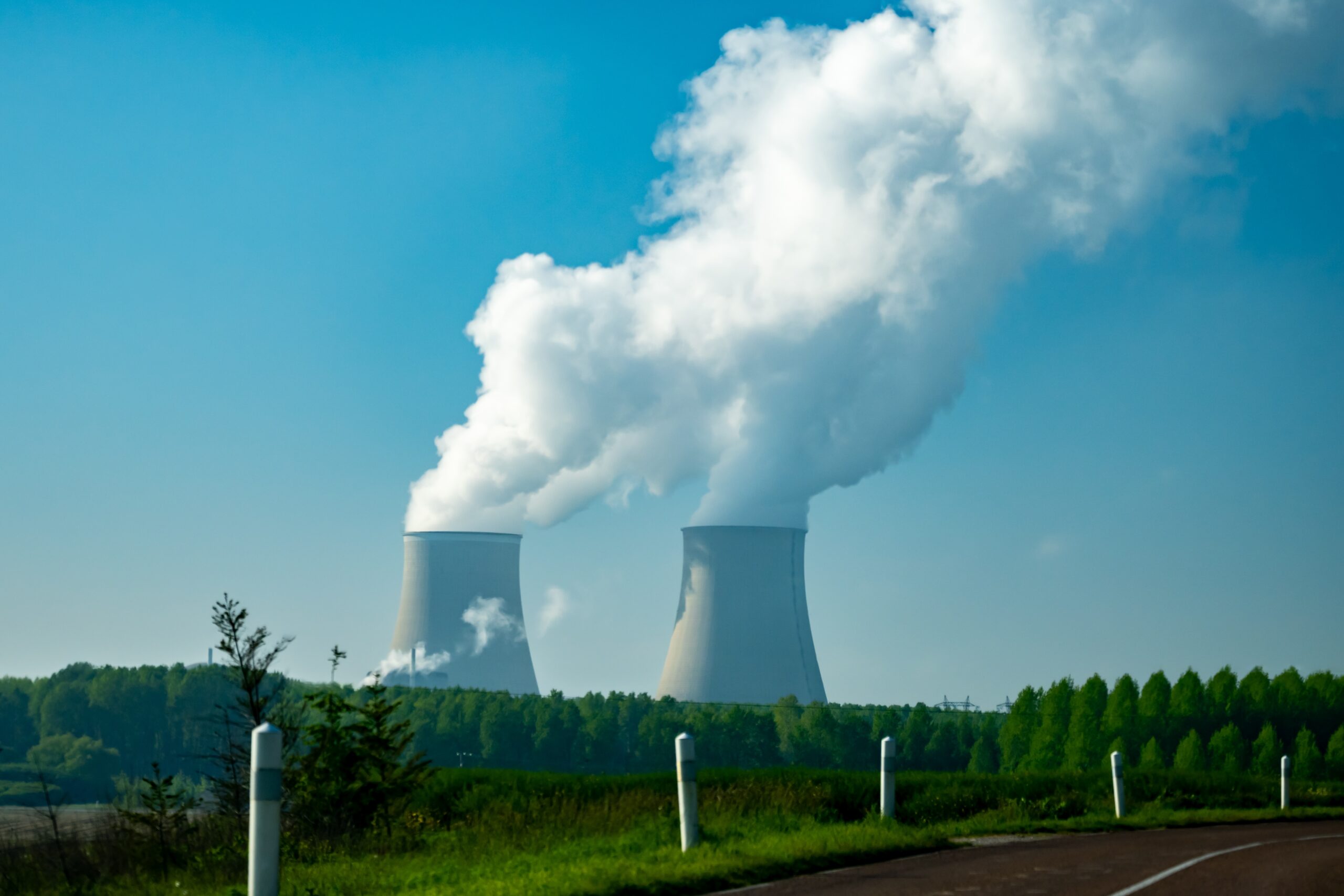
US regulators have revised nuclear safety rules to expedite the construction of new generating capacity necessary for powering artificial intelligence (AI) technologies. According to a report by NPR, the changes are part of a program initiated by the US Department of Energy (DoE), which aims to launch three new experimental commercial nuclear reactors by July 4, 2024. This initiative, backed by substantial investments from private equity and tech giants like Amazon, Google, and Meta, has led to significant alterations in existing safety and security standards that have not been publicly disclosed.
The NPR report outlines “sweeping changes” made to accelerate the development of a new generation of nuclear reactor designs known as small modular reactors (SMRs). These modifications reportedly include substantial reductions in security rules, environmental protections, and safety protocols. The changes have raised concerns among industry analysts and environmental advocates regarding the implications for public safety and environmental integrity.
Key Changes to Nuclear Regulations
The revised regulations reduce the number of pages outlining security requirements from over 500 to just 23, condensing critical safety protocols into bullet points. Additionally, a 59-page manual on radioactive waste management has been cut down to a 25-page order, omitting essential guidelines for waste packaging and monitoring.
NPR noted that the new rules have loosened standards for groundwater protection, stating that it is no longer mandatory for companies to protect groundwater from radioactive contamination. Instead, they are only required to “consider” minimizing such risks. The removal of the requirement to use the “best available technology” for water protection further highlights the regulatory shifts.
Environmental protections have also been weakened. Instead of mandating protection of ecosystems, the new regulations suggest minimizing impacts “if practical.” This adjustment raises concerns about potential adverse effects on local wildlife and ecosystems resulting from radiation exposure.
Industry Implications and Concerns
The DoE has justified these changes by claiming that reducing regulations will foster innovation within the nuclear sector without compromising safety. Nonetheless, critics argue that the elimination of key safety principles, such as the “As Low As Reasonably Achievable” (ALARA) standard, undermines decades of established safety practices. The removal of this principle could allow for less concrete shielding in new reactors and longer shifts for workers, potentially increasing radiation exposure.
Sanchit Vir Gogia, chief analyst at Greyhound Research, emphasized that the DoE’s actions represent more than just regulatory adjustments. He stated, “[the DoE’s] quiet dismantling of foundational nuclear safety protocols is not just a regulatory decision, it’s a wholesale redrafting of how enterprise infrastructure risk will be allocated in the years ahead.” He warned that the absence of independent oversight could lead to increased risks that extend into corporate boardrooms and operational strategies.
Brian Jackson, principal research director at Info-Tech Research Group, expressed concerns for companies like Google and Amazon, which are investing heavily in SMR technologies. He noted that while the direct risk of a nuclear incident at data center sites may seem distant, the reputational risks tied to environmental or safety failures could be significant. The push to fund nuclear power sources, intended to mitigate carbon emissions, could backfire if safety protocols are compromised.
Matt Kimball, VP and principal analyst with Moor Insights & Strategy, remarked on the troubling nature of the regulatory revisions made behind closed doors. He indicated that while some changes may be necessary for SMR deployment, transparency is crucial in maintaining public trust. He also acknowledged the environmental advantages of SMRs, which are designed to have a reduced impact compared to traditional nuclear plants.
Experts like Gogia further underscored that the implications of these regulatory changes extend beyond immediate safety concerns. They could affect maintenance protocols, incident response times, and overall reliability of power systems. Without rigorous documentation and independent oversight, the predictability of power stability may be compromised, creating long-term operational challenges.
The evolving landscape of nuclear regulation reflects the urgency of meeting rising energy demands, particularly in the context of AI and data center expansion. As the US moves forward with these changes, stakeholders must navigate the balance between innovation, safety, and environmental responsibility. The ongoing dialogue surrounding these regulatory revisions will be critical in shaping the future of nuclear energy and its integration into the rapidly growing AI sector.











Michael Hill Reports Strong Profit Growth, Plans Dividend Return

Michael Hill Reports Strong Profit Growth, Signals Dividend Return

Split Enz to Tour New Zealand After Electric Avenue Reunion

Combat Ongoing Stress: Regulate Your Nervous System Now

New Zealand Golfer Hillier Triumphs at $2 Million Open

Labour Maintains Lead as National Gains Ground in Poll

Professor Brian Cox Launches ‘Emergence’ World Tour in June

South Africa Triumphs Over Zimbabwe to Face New Zealand in T20 Semis

Hurricanes Aim for Record Crowd Against Western Force in Napier

Community Mourns Teens Lost in Mount Maunganui Landslide

Tributes Pour In for Lachlan Rofe, Reality Star, Dead at 47

Private Funeral Held for Dean Field and His Three Children

Funeral Planned for Field Siblings After Tragic House Fire

Netball New Zealand Stands Down Dame Noeline Taurua for Series

Julian Dennison Ties the Knot with Christian Baledrokadroka in New Zealand

New ‘Maverick’ Chaser Joins Beat the Chasers Season Finale

Silver Ferns Legend Laura Langman Criticizes Team’s Attitude

Eli Katoa Rushed to Hospital After Sideline Incident During Match
-
 Top Stories1 month ago
Community Mourns Teens Lost in Mount Maunganui Landslide
-
 Entertainment6 months ago
Tributes Pour In for Lachlan Rofe, Reality Star, Dead at 47
-
 World3 months ago
Private Funeral Held for Dean Field and His Three Children
-
 Top Stories3 months ago
Funeral Planned for Field Siblings After Tragic House Fire
-
 Sports6 months ago
Netball New Zealand Stands Down Dame Noeline Taurua for Series
-
 Entertainment1 month ago
Julian Dennison Ties the Knot with Christian Baledrokadroka in New Zealand
-
 Entertainment5 months ago
New ‘Maverick’ Chaser Joins Beat the Chasers Season Finale
-
 Sports6 months ago
Silver Ferns Legend Laura Langman Criticizes Team’s Attitude
-
 Sports4 months ago
Eli Katoa Rushed to Hospital After Sideline Incident During Match
-

 Sports4 months ago
All Blacks Star Damian McKenzie and Partner Announce Baby News
-

 Sports3 months ago
Nathan Williamson’s Condition Improves Following Race Fall
-

 Politics5 months ago
Netball NZ Calls for Respect Amid Dame Taurua’s Standoff