
Top Stories
New Zealand’s Daytime Energy Contrasts with Early Nighttime Quiet


New Zealand is celebrated for its vibrant outdoor lifestyle, drawing people into its natural beauty during the day. Yet, as night falls, many urban areas transform into quiet spaces, with cafes, restaurants, and bars closing early. This pattern reflects a long-standing cultural trend where a significant portion of the population retreats to their homes, embodying the “Kiwi dream” of living on a “quarter-acre” section.
In 1972, British academic and journalist Austin Mitchell published a book titled *The Half-Gallon Quarter-Acre Pavlova Paradise*. He highlighted New Zealand’s unique social landscape, contrasting it with that of England, where nightlife flourished late into the evening. Mitchell noted that the early closing hours of pubs—typically around 10 PM—meant that social life was more family-oriented than public. This cultural inclination towards home life has persisted over the decades.
Despite the passage of more than fifty years, little has changed in New Zealand’s nighttime dynamics. According to Dr. Greg Rawlings, an associate professor of social anthropology at the University of Otago, several factors contribute to this daytime orientation. He describes New Zealand as “a very early country,” noting that the daily schedules of New Zealanders are structured around earlier start and finish times.
“People tend to start work and engage in hobbies and sports at relatively early times,” Rawlings explained. This early schedule leads to a quieter nightlife, with limited options for evening entertainment.
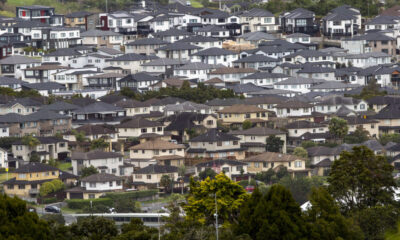
Urban planning plays a critical role in this trend. Rawlings points out that the spatial geography of New Zealand’s towns and cities has evolved around a particular type of homeownership, historically favoring large sections and standalone houses. Although housing has become increasingly expensive, this model has shaped social patterns that favor home life over nightlife.
Many urban centers were developed during the rise of the automobile, which has influenced their layout. Unlike older European cities, which promote denser populations and vibrant nightlife, New Zealand cities often feature sprawling suburbs with limited public transport. This makes evening outings less feasible than simply walking to a local pub.
The challenges of dining out in New Zealand after 9 PM further illustrate this trend. Rawlings notes that options are scarce, particularly outside major cities. Visitors to places like Dunedin often find themselves struggling to locate open restaurants after a late arrival. “It’s very difficult to get a meal in New Zealand after 9 PM,” he said.
Kian Malone, a Kiwi who returned to Christchurch in 2021 after spending years abroad, echoed Mitchell’s observations. He and his Welsh wife quickly noted the lack of nightlife upon their return. “When we first moved back here, we’d go out on a Tuesday night looking for a restaurant and just couldn’t really find anywhere,” Malone remarked.
His experience was compounded by a disappointing visit to a local Irish pub in Kaikōura, which closed at 9 PM on a Friday. “That was really disappointing,” he said. “That’s one of the disadvantages about living in New Zealand; there’s a lack of buzz.”
As New Zealand continues to thrive during daylight hours, the pattern of early closures at night remains a defining characteristic of its culture. This unique rhythm of life presents both challenges and comforts, reflecting the deep-rooted values of home and family that define the Kiwi experience.










New $25 Million Funding Boosts Hospital Capacity Ahead of Winter

Discover Sleep Space’s Affordable Bach Bed Packages Today

Jury Dismissed in Sexual Assault Trial Over Misguided Questions

Wellington’s New Gallery Unveils Community-Driven Art Exhibition

All Whites Face Challenges as Injuries Strike Before World Cup

Heroic Bystander Rescues Swimmers from Dangerous Surf in Napier

Nina Oyama Returns to Crime Comedy in Deadloch Season 2

China Southern Airlines Offers Reliable Journey from Auckland to Vietnam

Nina Oyama Returns to Deadloch for Anticipated Season 2

Community Mourns Teens Lost in Mount Maunganui Landslide

Tributes Pour In for Lachlan Rofe, Reality Star, Dead at 47

Private Funeral Held for Dean Field and His Three Children

Funeral Planned for Field Siblings After Tragic House Fire

Netball New Zealand Stands Down Dame Noeline Taurua for Series

Julian Dennison Ties the Knot with Christian Baledrokadroka in New Zealand

Al Waha Motors Opens Flagship Jetour Showroom in Al Khor

Auckland’s Average Rent Surpasses $700 for Three-Bedroom Homes

New Research Reveals Simple Path to Enhanced Happiness
-
 Top Stories6 months ago
Community Mourns Teens Lost in Mount Maunganui Landslide
-
 Entertainment11 months ago
Tributes Pour In for Lachlan Rofe, Reality Star, Dead at 47
-
 World8 months ago
Private Funeral Held for Dean Field and His Three Children
-
 Top Stories8 months ago
Funeral Planned for Field Siblings After Tragic House Fire
-
 Sports11 months ago
Netball New Zealand Stands Down Dame Noeline Taurua for Series
-
 Entertainment6 months ago
Julian Dennison Ties the Knot with Christian Baledrokadroka in New Zealand
-
 Health6 months ago
Al Waha Motors Opens Flagship Jetour Showroom in Al Khor
-
 Business7 months ago
Auckland’s Average Rent Surpasses $700 for Three-Bedroom Homes
-
 Science9 months ago
New Research Reveals Simple Path to Enhanced Happiness
-

 Entertainment10 months ago
New ‘Maverick’ Chaser Joins Beat the Chasers Season Finale
-

 Lifestyle10 months ago
Maia Wilson Faces Backlash Following Taurua’s Suspension
-

 Sports9 months ago
All Blacks Star Damian McKenzie and Partner Announce Baby News