
Top Stories
Royals and the Law: A Historical Perspective on Arrests

The recent arrest of Andrew Mountbatten-Windsor at Sandringham marks a significant moment in royal history, demonstrating that even members of the royal family are not exempt from legal scrutiny. While the circumstances surrounding this arrest differ greatly from the historical events of past centuries, it highlights a consistent theme: royal lineage does not shield one from the consequences of perceived wrongdoing.
Historically, the arrest or imprisonment of royals often led to significant political upheaval. The last monarch to face arrest was Charles I, who was tried in Westminster Hall in January 1649 after the defeat of royalist forces in the English Civil War. Despite his refusal to recognize the court’s authority, Charles was convicted of treason and tyranny, resulting in his execution by beheading on January 30, 1649, outside the Banqueting House in Whitehall, London. This marked the end of an era where royalty could operate with a degree of impunity, shielded from the law by their status.
The Tudor and Stuart periods were particularly fraught with danger for royals. Figures such as Lady Jane Grey, Anne Boleyn, Mary Queen of Scots, and Catherine Howard faced charges of treason, leading to their arrests and executions. These historical precedents illustrate the precarious nature of power and the potential for downfall, even for those at the highest echelons of society.
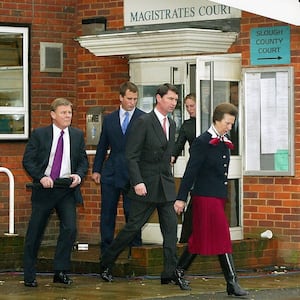
In a more contemporary context, the legal troubles of royals took on a different form. In 2001, Princess Anne became the first royal to be convicted of a criminal offense when she was caught driving at 23 mph (37 km/h) over the speed limit. This incident served as a reminder that regardless of their royal status, members of the family are still subject to the same laws as the general public.
The implications of recent events suggest a shift in public perception regarding royal accountability. The arrest of Andrew Mountbatten-Windsor may not involve the same dramatic consequences as those of historical figures, but it underscores ongoing discussions about the role of royalty in modern society and their relationship with the law.
As society evolves, the notion of royal privilege continues to be challenged. The legal system remains a crucial arbiter of justice, regardless of lineage. This evolution invites reflection on the responsibilities that come with privilege and the importance of accountability, even among those who occupy the highest offices in the country.
In conclusion, the arrest of a royal family member, though less violent than historical precedents, serves as a powerful reminder that the law ultimately applies to everyone, regardless of their status. Such incidents not only resonate within the context of royal history but also reflect broader societal expectations of justice and equality.












New $25 Million Funding Boosts Hospital Capacity Ahead of Winter

Discover Sleep Space’s Affordable Bach Bed Packages Today

Jury Dismissed in Sexual Assault Trial Over Misguided Questions

Wellington’s New Gallery Unveils Community-Driven Art Exhibition

All Whites Face Challenges as Injuries Strike Before World Cup

Heroic Bystander Rescues Swimmers from Dangerous Surf in Napier

Nina Oyama Returns to Crime Comedy in Deadloch Season 2

China Southern Airlines Offers Reliable Journey from Auckland to Vietnam

Nina Oyama Returns to Deadloch for Anticipated Season 2

Community Mourns Teens Lost in Mount Maunganui Landslide

Tributes Pour In for Lachlan Rofe, Reality Star, Dead at 47

Private Funeral Held for Dean Field and His Three Children

Funeral Planned for Field Siblings After Tragic House Fire

Netball New Zealand Stands Down Dame Noeline Taurua for Series

Al Waha Motors Opens Flagship Jetour Showroom in Al Khor

Julian Dennison Ties the Knot with Christian Baledrokadroka in New Zealand

Auckland’s Average Rent Surpasses $700 for Three-Bedroom Homes

New Research Reveals Simple Path to Enhanced Happiness
-
 Top Stories7 months ago
Community Mourns Teens Lost in Mount Maunganui Landslide
-
 Entertainment11 months ago
Tributes Pour In for Lachlan Rofe, Reality Star, Dead at 47
-
 World9 months ago
Private Funeral Held for Dean Field and His Three Children
-
 Top Stories9 months ago
Funeral Planned for Field Siblings After Tragic House Fire
-
 Sports11 months ago
Netball New Zealand Stands Down Dame Noeline Taurua for Series
-
 Health7 months ago
Al Waha Motors Opens Flagship Jetour Showroom in Al Khor
-
 Entertainment7 months ago
Julian Dennison Ties the Knot with Christian Baledrokadroka in New Zealand
-
 Business7 months ago
Auckland’s Average Rent Surpasses $700 for Three-Bedroom Homes
-
 Science10 months ago
New Research Reveals Simple Path to Enhanced Happiness
-

 Entertainment10 months ago
New ‘Maverick’ Chaser Joins Beat the Chasers Season Finale
-

 Lifestyle10 months ago
Maia Wilson Faces Backlash Following Taurua’s Suspension
-

 Sports10 months ago
All Blacks Star Damian McKenzie and Partner Announce Baby News