
Top Stories
Urgent Call for Repatriation of Kauri Bust of Treaty Signatory

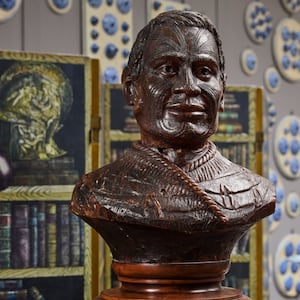
A significant cultural artifact, a kauri bust of Māori chief Tamati Tamaiwhakanehua, who signed the Treaty of Waitangi, is set to be auctioned in London next month. The bust, which is carved from fossilized resin, has drawn the attention of New Zealand’s Labour MP Willie Jackson, who is urging Te Papa, the national museum of New Zealand, to take action to ensure the item is returned to its rightful owners, the Ngati Porou tribe.
The kauri gum bust is estimated to fetch around $24,000 at the upcoming auction hosted by Sworders of London. It represents not only a physical artifact but also a significant piece of New Zealand’s history, given that Tamaiwhakanehua signed the East Coast sheet of the Treaty of Waitangi on June 9, 1840, at Tokomaru Bay. This treaty is regarded as a foundational document in New Zealand’s history, establishing the principles of governance and rights for Māori.
Jackson emphasizes the importance of cultural heritage and the need for repatriation of taonga (treasures) like this bust. He argues that such artifacts should be preserved within their cultural context and returned to the communities to which they belong. “This bust is not just an object; it carries the legacy and stories of our ancestors,” Jackson stated. He added that the auction presents a critical opportunity for Te Papa to act and reclaim items that hold deep significance for Māori heritage.
The auction is scheduled for next month, creating urgency in the call for intervention. The potential sale raises broader questions regarding the ownership of cultural artifacts and the responsibilities of institutions to respect and return items that are significant to indigenous cultures.
In recent years, there has been an increasing movement towards the repatriation of cultural artifacts worldwide. Museums and institutions are reassessing their collections, particularly those obtained during colonial periods, and many are beginning to return items to their countries of origin. Jackson’s call aligns with this growing trend, advocating for a more ethical approach to cultural heritage.
As the auction date approaches, the pressure mounts on Te Papa and other institutions to respond to the call for repatriation. The case of the kauri bust serves as a reminder of the ongoing discussions about cultural ownership and the importance of honoring the legacy of indigenous peoples. The outcome of this situation could set a precedent for future repatriation efforts in New Zealand and beyond.










New $25 Million Funding Boosts Hospital Capacity Ahead of Winter

Discover Sleep Space’s Affordable Bach Bed Packages Today

Jury Dismissed in Sexual Assault Trial Over Misguided Questions

Wellington’s New Gallery Unveils Community-Driven Art Exhibition

All Whites Face Challenges as Injuries Strike Before World Cup

Heroic Bystander Rescues Swimmers from Dangerous Surf in Napier

Nina Oyama Returns to Crime Comedy in Deadloch Season 2

China Southern Airlines Offers Reliable Journey from Auckland to Vietnam

Nina Oyama Returns to Deadloch for Anticipated Season 2

Community Mourns Teens Lost in Mount Maunganui Landslide

Tributes Pour In for Lachlan Rofe, Reality Star, Dead at 47

Private Funeral Held for Dean Field and His Three Children

Funeral Planned for Field Siblings After Tragic House Fire

Netball New Zealand Stands Down Dame Noeline Taurua for Series

Julian Dennison Ties the Knot with Christian Baledrokadroka in New Zealand

Al Waha Motors Opens Flagship Jetour Showroom in Al Khor

Auckland’s Average Rent Surpasses $700 for Three-Bedroom Homes

New Research Reveals Simple Path to Enhanced Happiness
-
 Top Stories6 months ago
Community Mourns Teens Lost in Mount Maunganui Landslide
-
 Entertainment11 months ago
Tributes Pour In for Lachlan Rofe, Reality Star, Dead at 47
-
 World8 months ago
Private Funeral Held for Dean Field and His Three Children
-
 Top Stories8 months ago
Funeral Planned for Field Siblings After Tragic House Fire
-
 Sports11 months ago
Netball New Zealand Stands Down Dame Noeline Taurua for Series
-
 Entertainment6 months ago
Julian Dennison Ties the Knot with Christian Baledrokadroka in New Zealand
-
 Health6 months ago
Al Waha Motors Opens Flagship Jetour Showroom in Al Khor
-
 Business7 months ago
Auckland’s Average Rent Surpasses $700 for Three-Bedroom Homes
-
 Science9 months ago
New Research Reveals Simple Path to Enhanced Happiness
-

 Entertainment10 months ago
New ‘Maverick’ Chaser Joins Beat the Chasers Season Finale
-

 Lifestyle10 months ago
Maia Wilson Faces Backlash Following Taurua’s Suspension
-

 Sports9 months ago
All Blacks Star Damian McKenzie and Partner Announce Baby News