
Top Stories
US Nuclear Safety Regulations Altered to Expedite AI Power Supply

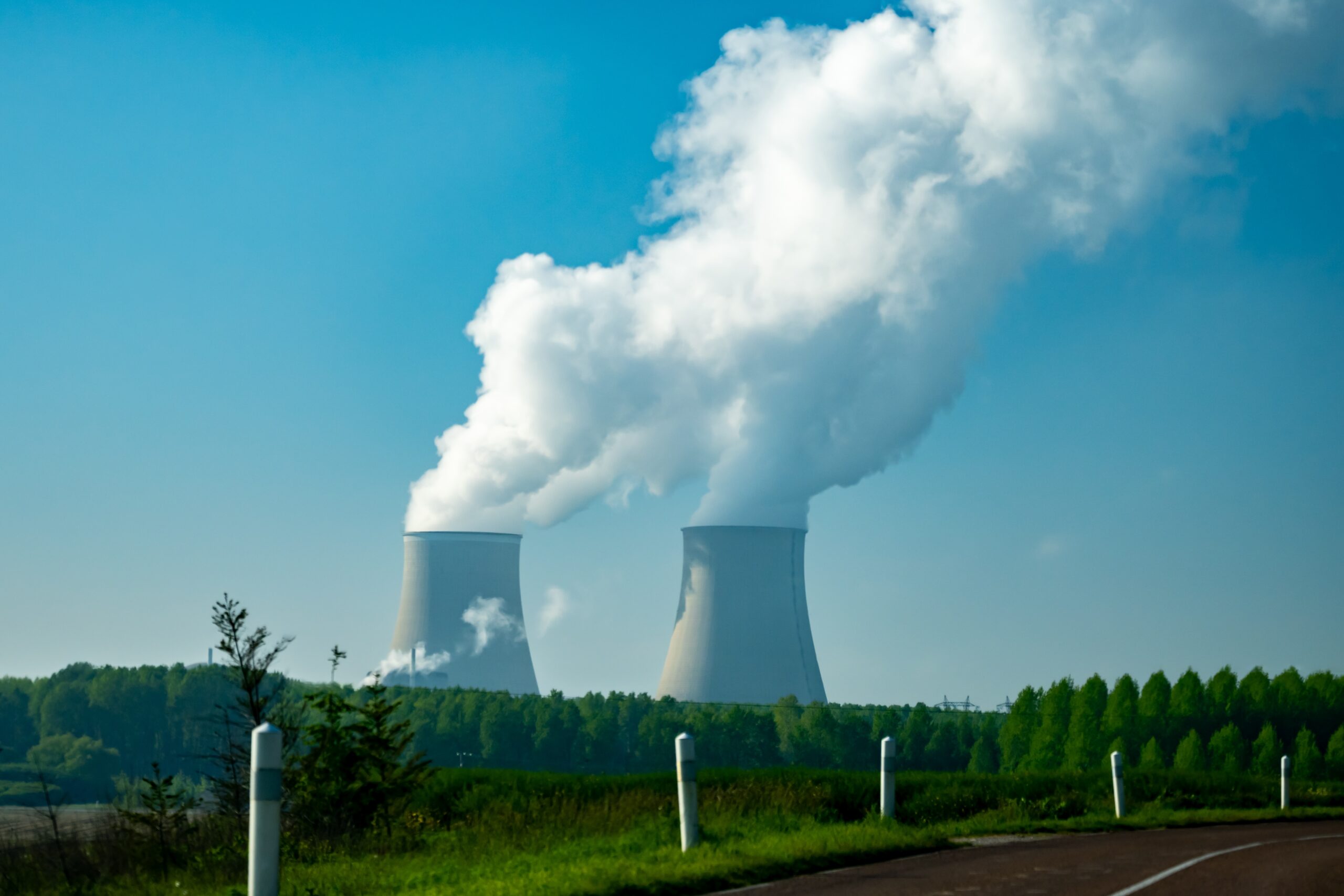
Nuclear safety regulations in the United States have been significantly revised to accelerate the construction of new nuclear power facilities. The changes, which remain largely undisclosed, are part of a program initiated by the US Department of Energy (DoE) aimed at launching three experimental commercial nuclear reactors by July 4, 2025. According to a report from NPR, these alterations to safety and security standards are intended to support the increasing energy demands of artificial intelligence technologies.
The NPR report indicates that the modifications are designed to expedite the development of small modular reactors (SMRs), which are touted as a new generation of nuclear reactor designs. The initiative is backed by substantial financial investments, including billions from private equity and venture capital firms, along with public funding. Major tech companies such as Amazon, Google, and Meta are among the proponents of these reactors, advocating for a reliable and cost-effective energy source for AI operations.
One of the key findings of the NPR investigation highlights the extent to which safety protocols have been relaxed. The report reveals that over a dozen new orders were issued, resulting in the removal of hundreds of pages of regulatory requirements. Specific changes include:
– **Groundwater Protection**: The previous mandate for robust groundwater protection has been downgraded to a recommendation for companies to “consider” minimizing radioactive contamination.
– **Environmental Protections**: The language surrounding environmental safeguards has shifted from mandatory protection to merely suggesting that companies “minimize” environmental impacts when feasible.
– **Security Regulations**: Numerous security protocols have been streamlined, with over 500 pages of documentation condensed to a mere 23-page order that simplifies critical areas to bullet points.
– **Radioactive Waste Management**: Guidelines for radioactive waste have similarly been reduced, with essential requirements for waste packaging and monitoring omitted.
The threshold for triggering official accident investigations has also been raised. Previously, investigations were mandated for incidents exposing workers to twice the legal radiation dose; this has now been increased to incidents involving four times the legal limit. The DoE has justified these changes by claiming that reducing unnecessary regulations will foster innovation in the nuclear sector without compromising safety.
Despite these assurances, the NPR report underscores that the revisions undermine long-standing safety principles. The standard known as “As Low As Reasonably Achievable” (ALARA), which has guided nuclear operations for decades, has been eliminated. This raises concerns that new reactors could be built with less protective concrete shielding, potentially allowing workers to be exposed to higher radiation levels.
Experts express alarm over the implications of these changes. Sanchit Vir Gogia, chief analyst at Greyhound Research, remarked that the relaxed safety protocols signify a comprehensive transformation in how infrastructure risk is managed. He emphasized that the absence of independent oversight shifts responsibility onto corporate leaders, who may be unprepared for the risks associated with such unregulated operations.
The concerns extend beyond regulatory adjustments. Brian Jackson, principal research director at Info-Tech Research Group, highlighted the reputational risks faced by companies funding SMR development. While these companies aim to provide carbon-free energy, any incidents that jeopardize worker safety or lead to environmental contamination could severely damage their public image.
The manner in which these regulatory changes have been implemented has also raised eyebrows. Matt Kimball, vice president and principal analyst at Moor Insights & Strategy, noted that alterations made behind closed doors can breed public distrust. He acknowledged that while some adjustments may be necessary to facilitate the deployment of SMRs, the extent of the modifications poses significant questions about safety and environmental accountability.
Kimball further explained that, despite the similarities between SMRs and traditional nuclear plants, the design of SMRs offers potential environmental advantages. For example, the integral reactor design minimizes external piping, which could contain accidents more effectively. Additionally, SMRs can utilize air cooling, significantly reducing water requirements.
Yet, the broader implications of the relaxed regulations remain a pressing concern. Gogia asserted that system anomalies, whether mechanical or software-related, may not receive the scrutiny warranted in a traditionally governed facility. This could directly impact the reliability of energy supply and disaster recovery protocols, as operational ambiguities might not be adequately documented or investigated.
In conclusion, while the push for SMR technology represents a significant step towards meeting the energy needs of AI and other sectors, the implications of relaxed nuclear safety regulations warrant careful consideration. Ensuring responsible and ethical deployment of nuclear power infrastructure is essential to safeguard both public welfare and environmental health.










Dan Carter and Lisa Carrington Reflect on Women Who Inspire Sport

Economic Recovery Fuels Property Market Resilience Amid Challenges

Sophie Henderson Shares Her Reading Journey and Upcoming Play

Cancer Society Opens New Centre in Queenstown for Community Support

Can You Solve Today’s Challenging Word Puzzle in One Minute?

Anthropic Rejects Pentagon Demands, Prioritizes AI Ethics

Bioeconomy Science Institute Announces 6% Staff Reduction

Brumbies Snatch Victory from Blues in Thrilling Finish

Lotto Powerball Draws $6 Million Jackpot; Winning Numbers Revealed

Community Mourns Teens Lost in Mount Maunganui Landslide

Tributes Pour In for Lachlan Rofe, Reality Star, Dead at 47

Private Funeral Held for Dean Field and His Three Children

Funeral Planned for Field Siblings After Tragic House Fire

Netball New Zealand Stands Down Dame Noeline Taurua for Series

Julian Dennison Ties the Knot with Christian Baledrokadroka in New Zealand

New ‘Maverick’ Chaser Joins Beat the Chasers Season Finale

Silver Ferns Legend Laura Langman Criticizes Team’s Attitude

Eli Katoa Rushed to Hospital After Sideline Incident During Match
-
 Top Stories1 month ago
Community Mourns Teens Lost in Mount Maunganui Landslide
-
 Entertainment6 months ago
Tributes Pour In for Lachlan Rofe, Reality Star, Dead at 47
-
 World3 months ago
Private Funeral Held for Dean Field and His Three Children
-
 Top Stories3 months ago
Funeral Planned for Field Siblings After Tragic House Fire
-
 Sports6 months ago
Netball New Zealand Stands Down Dame Noeline Taurua for Series
-
 Entertainment1 month ago
Julian Dennison Ties the Knot with Christian Baledrokadroka in New Zealand
-
 Entertainment5 months ago
New ‘Maverick’ Chaser Joins Beat the Chasers Season Finale
-
 Sports6 months ago
Silver Ferns Legend Laura Langman Criticizes Team’s Attitude
-
 Sports4 months ago
Eli Katoa Rushed to Hospital After Sideline Incident During Match
-

 Sports4 months ago
All Blacks Star Damian McKenzie and Partner Announce Baby News
-

 Sports3 months ago
Nathan Williamson’s Condition Improves Following Race Fall
-

 Politics5 months ago
Netball NZ Calls for Respect Amid Dame Taurua’s Standoff