
World
Late-Night Television Faces Uncertainty After Major Cancellations

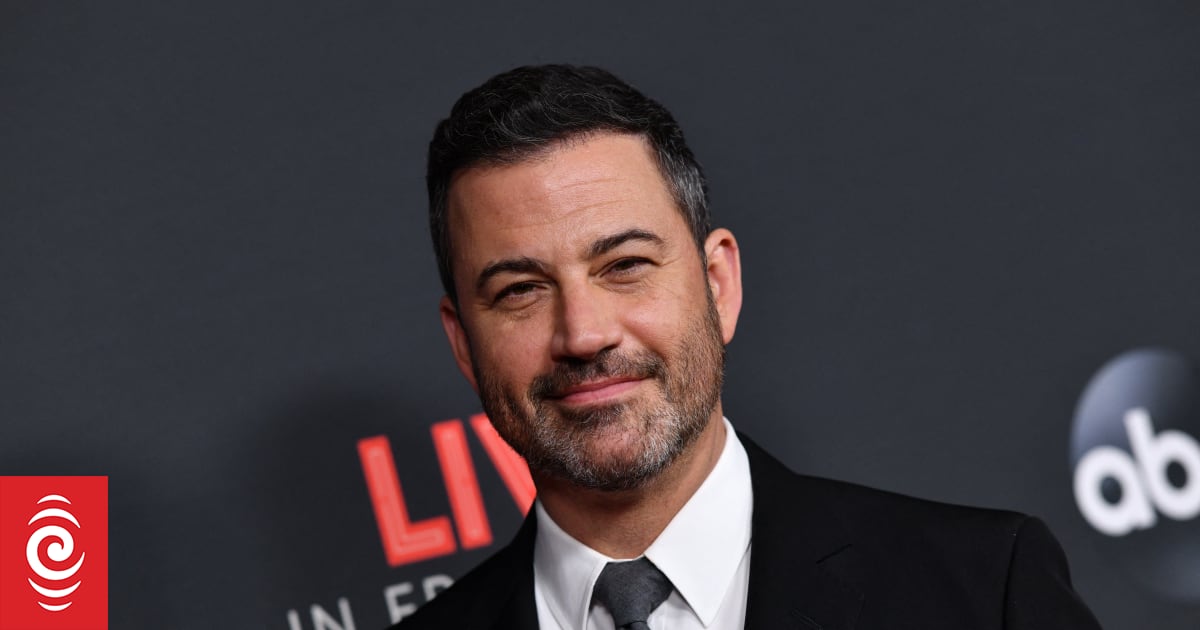
The landscape of late-night television is undergoing significant upheaval, highlighted by the recent cancellation of prominent hosts and the growing influence of political commentary. Following the recent Emmy Awards, where Stephen Colbert received his first Emmy for Outstanding Talk Series, the atmosphere shifted drastically with the announcement from ABC and its parent company Disney regarding the “indefinite” cancellation of Jimmy Kimmel‘s show. This decision reflects a troubling trend in which political pressures are increasingly dictating the future of late-night programming.
Kimmel’s cancellation follows his controversial remarks regarding the Trump administration, which have drawn ire from various political quarters. In particular, former President Donald Trump criticized Kimmel on social media, stating, “Kimmel has zero talent, and worse ratings than even Colbert, if that’s possible.” Trump’s comments have raised concerns about the implications of political influence on entertainment, as he also hinted that other late-night hosts, such as Jimmy Fallon and Seth Meyers, could be next.
The Shifting Dynamics of Late-Night TV
Historically, late-night television has served as a platform for political engagement, where comedians and hosts interact with public figures, often poking fun at political figures and events. Rodney Taveira, a senior lecturer at the University of Sydney’s United States Studies Centre, notes that the genre has evolved from a space for entertainment to a battleground for cultural and political relevance. Politicians have frequently utilized late-night television to connect with younger audiences, a tactic exemplified by Bill Clinton playing the saxophone on “The Tonight Show.”
Despite its popularity, the genre is increasingly vulnerable to political pressures. Taveira cites the abrupt cancellation of “The Smothers Brothers Comedy Hour” in the 1960s due to its critical stance on the Vietnam War as a historical example of political interference in entertainment. The subsequent legal battle highlighted the tensions between artistic expression and corporate interests. More recently, following the events of September 11, Bill Maher‘s show was cancelled for calling military actions “cowardly,” prompting calls for caution in public discourse.
The current climate mirrors these past instances where late-night hosts faced repercussions for their political commentary. Taveira asserts, “It seems that mainstream media is cowed by the dominance of the conservative and right-wing agenda in the United States,” suggesting that the current environment may be stifling creative expression in television.
The Future of Late-Night Programming
As the industry grapples with these changes, the future of late-night television appears uncertain. The ongoing trend of cancellations indicates that networks may prioritize ratings and commercial viability over creative freedom. In December 2022, ABC agreed to a settlement of $15 million with Trump’s presidential library due to a defamation lawsuit, underscoring the financial ramifications of political discourse in media.
Taveira emphasizes the impact of such lawsuits on programming decisions, stating, “The whole point of network television and radio is to sell audiences to advertisers.” The erosion of free speech in the entertainment sector is evident, with even liberal voices facing pushback.
Despite the challenges, the narrative within shows like “Hacks” illustrates the struggle between artistic integrity and commercial success. In a pivotal scene, Jean Smart‘s character, Deborah Vance, grapples with the decision to abandon her morals to retain her position in late-night television, ultimately choosing to compromise her values.
In a powerful moment of her monologue, she asserts, “You can try to silence me but you’ll never —” only to have her feed cut abruptly, symbolizing the precarious nature of free speech in the current media landscape.
The ongoing evolution of late-night television raises critical questions about its role as a platform for contesting power and the potential consequences of political influence in entertainment. As audiences and creators navigate this complex terrain, the future of late-night programming remains to be seen, highlighting the delicate balance between art and commerce in the world of television.












New $25 Million Funding Boosts Hospital Capacity Ahead of Winter

Discover Sleep Space’s Affordable Bach Bed Packages Today

Jury Dismissed in Sexual Assault Trial Over Misguided Questions

Wellington’s New Gallery Unveils Community-Driven Art Exhibition

All Whites Face Challenges as Injuries Strike Before World Cup

Heroic Bystander Rescues Swimmers from Dangerous Surf in Napier

Nina Oyama Returns to Crime Comedy in Deadloch Season 2

China Southern Airlines Offers Reliable Journey from Auckland to Vietnam

Nina Oyama Returns to Deadloch for Anticipated Season 2

Community Mourns Teens Lost in Mount Maunganui Landslide

Tributes Pour In for Lachlan Rofe, Reality Star, Dead at 47

Private Funeral Held for Dean Field and His Three Children

Funeral Planned for Field Siblings After Tragic House Fire

Netball New Zealand Stands Down Dame Noeline Taurua for Series

Al Waha Motors Opens Flagship Jetour Showroom in Al Khor

Julian Dennison Ties the Knot with Christian Baledrokadroka in New Zealand

Auckland’s Average Rent Surpasses $700 for Three-Bedroom Homes

New Research Reveals Simple Path to Enhanced Happiness
-
 Top Stories7 months ago
Community Mourns Teens Lost in Mount Maunganui Landslide
-
 Entertainment11 months ago
Tributes Pour In for Lachlan Rofe, Reality Star, Dead at 47
-
 World9 months ago
Private Funeral Held for Dean Field and His Three Children
-
 Top Stories9 months ago
Funeral Planned for Field Siblings After Tragic House Fire
-
 Sports11 months ago
Netball New Zealand Stands Down Dame Noeline Taurua for Series
-
 Health7 months ago
Al Waha Motors Opens Flagship Jetour Showroom in Al Khor
-
 Entertainment7 months ago
Julian Dennison Ties the Knot with Christian Baledrokadroka in New Zealand
-
 Business7 months ago
Auckland’s Average Rent Surpasses $700 for Three-Bedroom Homes
-
 Science10 months ago
New Research Reveals Simple Path to Enhanced Happiness
-

 Entertainment10 months ago
New ‘Maverick’ Chaser Joins Beat the Chasers Season Finale
-

 Lifestyle11 months ago
Maia Wilson Faces Backlash Following Taurua’s Suspension
-

 Sports10 months ago
All Blacks Star Damian McKenzie and Partner Announce Baby News