
World
Lifeguard Rescues Surge in Eastern Region, Safety Urged


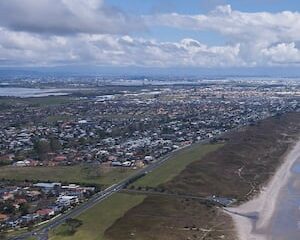
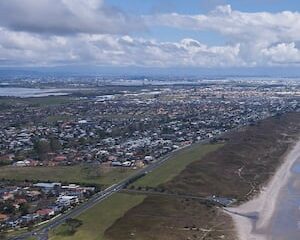
Surf lifeguards in the Eastern region have reported a dramatic increase in rescues, with a total of 14 swimmers saved over the past two days. This spike includes four individuals who were swimming outside designated lifeguard patrol hours and another four who were in unflagged areas on New Year’s Day. Since October 25, the total number of rescues in the Eastern region has reached 93, a striking increase from just 17 during the same period last year.
Safety Concerns Highlighted by Lifeguards
A spokesperson for Surf Life Saving NZ emphasized that despite the overall number of beachgoers being relatively low across the region, specific areas such as Whangamatā Beach saw an influx of visitors. Estimates suggest that up to 2,500 people were present at the beach, leading to four rescues there, in addition to three others at different beaches in the region.
The rise in rescues raises critical safety concerns, especially for those who swim outside lifeguard patrol hours or in unpatrolled areas. Lifeguards are urging beach visitors to adhere to safety measures, including swimming only in designated areas and during patrol hours. These guidelines are essential for ensuring the safety of all swimmers.
As the summer season progresses, the lifeguard team is reminding the public to prioritize safety and to be aware of the potential dangers associated with swimming in unmonitored zones. The significant increase in rescues this season underlines the importance of remaining vigilant and informed while enjoying the beach.









New $25 Million Funding Boosts Hospital Capacity Ahead of Winter

Discover Sleep Space’s Affordable Bach Bed Packages Today

Jury Dismissed in Sexual Assault Trial Over Misguided Questions

Wellington’s New Gallery Unveils Community-Driven Art Exhibition

All Whites Face Challenges as Injuries Strike Before World Cup

Heroic Bystander Rescues Swimmers from Dangerous Surf in Napier

Nina Oyama Returns to Crime Comedy in Deadloch Season 2

China Southern Airlines Offers Reliable Journey from Auckland to Vietnam

Nina Oyama Returns to Deadloch for Anticipated Season 2

Community Mourns Teens Lost in Mount Maunganui Landslide

Tributes Pour In for Lachlan Rofe, Reality Star, Dead at 47

Private Funeral Held for Dean Field and His Three Children

Funeral Planned for Field Siblings After Tragic House Fire

Netball New Zealand Stands Down Dame Noeline Taurua for Series

Al Waha Motors Opens Flagship Jetour Showroom in Al Khor

Julian Dennison Ties the Knot with Christian Baledrokadroka in New Zealand

Auckland’s Average Rent Surpasses $700 for Three-Bedroom Homes

New Research Reveals Simple Path to Enhanced Happiness
-
 Top Stories7 months ago
Community Mourns Teens Lost in Mount Maunganui Landslide
-
 Entertainment11 months ago
Tributes Pour In for Lachlan Rofe, Reality Star, Dead at 47
-
 World9 months ago
Private Funeral Held for Dean Field and His Three Children
-
 Top Stories9 months ago
Funeral Planned for Field Siblings After Tragic House Fire
-
 Sports11 months ago
Netball New Zealand Stands Down Dame Noeline Taurua for Series
-
 Health7 months ago
Al Waha Motors Opens Flagship Jetour Showroom in Al Khor
-
 Entertainment7 months ago
Julian Dennison Ties the Knot with Christian Baledrokadroka in New Zealand
-
 Business7 months ago
Auckland’s Average Rent Surpasses $700 for Three-Bedroom Homes
-
 Science10 months ago
New Research Reveals Simple Path to Enhanced Happiness
-

 Entertainment10 months ago
New ‘Maverick’ Chaser Joins Beat the Chasers Season Finale
-

 Lifestyle11 months ago
Maia Wilson Faces Backlash Following Taurua’s Suspension
-

 Sports10 months ago
All Blacks Star Damian McKenzie and Partner Announce Baby News