
Politics
Russia Allegedly Develops Anti-Satellite Weapons Targeting Starlink

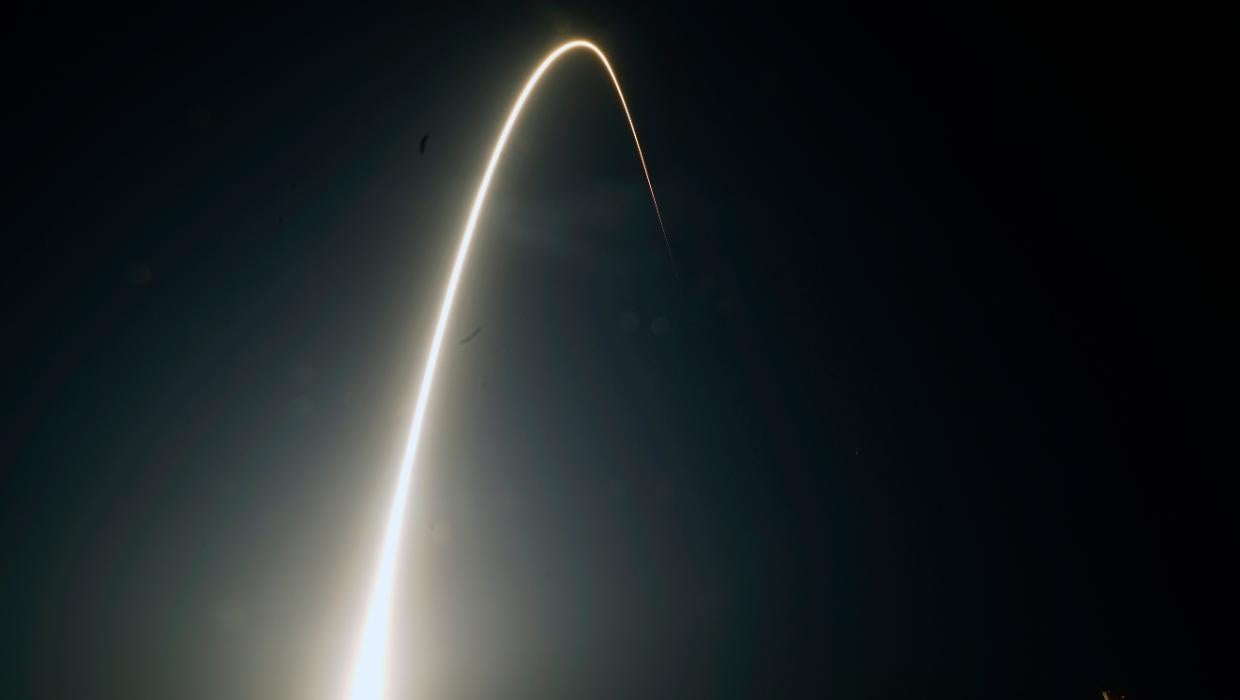
Recent intelligence assessments suggest that Russia is advancing its capabilities in anti-satellite technology, potentially developing weapons designed to disrupt satellite networks such as those operated by Starlink. These developments raise significant concerns for global satellite communication and national security.
Intelligence services have identified a new type of weapon, informally referred to as a “zone-effect” weapon. This system aims to incapacitate satellites by flooding their orbits with thousands of high-density pellets. The intention is to incapacitate the satellites vital for internet services, particularly those operated by Starlink, a major player in global satellite communications.
The implications of these advancements are profound. Starlink, a subsidiary of SpaceX, has rapidly expanded its satellite constellation to provide internet access across the globe, including remote and underserved areas. With over 3,000 satellites currently in orbit, any significant disruption could affect millions of users who rely on its services.
In recent years, the concept of space-based nuclear weapons has also resurfaced in military discussions. Reports indicate that Russia is exploring the feasibility of deploying such weapons in space, which would not only pose a threat to satellites but could also escalate tensions in international relations. These developments may lead to a new arms race in space, where countries compete to establish dominance over critical satellite infrastructure.
The U.S. and its allies are closely monitoring these developments. A senior official from the U.S. Department of Defense stated, “We are aware of Russia’s activities in space and are taking steps to ensure our satellite systems remain secure.” This statement underscores the growing necessity for enhanced security measures in space technology.
As nations continue to rely on satellites for both civilian and military purposes, the emergence of anti-satellite weapons poses a serious challenge. The potential for conflict in space could have far-reaching consequences, impacting not only military operations but also everyday communication and navigation services.
International discussions regarding the militarization of space have gained momentum as countries seek to establish norms and agreements to prevent hostile actions in orbit. However, the effectiveness of these discussions remains uncertain in light of Russia’s recent advancements.
In summary, as Russia reportedly develops anti-satellite technology and considers deploying space-based nuclear weapons, the global community faces a complex challenge. The potential for such weapons to disrupt critical satellite services like Starlink necessitates a coordinated response to ensure the stability and security of space operations around the world.











New $25 Million Funding Boosts Hospital Capacity Ahead of Winter

Discover Sleep Space’s Affordable Bach Bed Packages Today

Jury Dismissed in Sexual Assault Trial Over Misguided Questions

Wellington’s New Gallery Unveils Community-Driven Art Exhibition

All Whites Face Challenges as Injuries Strike Before World Cup

Heroic Bystander Rescues Swimmers from Dangerous Surf in Napier

Nina Oyama Returns to Crime Comedy in Deadloch Season 2

China Southern Airlines Offers Reliable Journey from Auckland to Vietnam

Nina Oyama Returns to Deadloch for Anticipated Season 2

Community Mourns Teens Lost in Mount Maunganui Landslide

Tributes Pour In for Lachlan Rofe, Reality Star, Dead at 47

Private Funeral Held for Dean Field and His Three Children

Funeral Planned for Field Siblings After Tragic House Fire

Netball New Zealand Stands Down Dame Noeline Taurua for Series

Julian Dennison Ties the Knot with Christian Baledrokadroka in New Zealand

Auckland’s Average Rent Surpasses $700 for Three-Bedroom Homes

Al Waha Motors Opens Flagship Jetour Showroom in Al Khor

New Research Reveals Simple Path to Enhanced Happiness
-
 Top Stories6 months ago
Community Mourns Teens Lost in Mount Maunganui Landslide
-
 Entertainment11 months ago
Tributes Pour In for Lachlan Rofe, Reality Star, Dead at 47
-
 World8 months ago
Private Funeral Held for Dean Field and His Three Children
-
 Top Stories8 months ago
Funeral Planned for Field Siblings After Tragic House Fire
-
 Sports11 months ago
Netball New Zealand Stands Down Dame Noeline Taurua for Series
-
 Entertainment6 months ago
Julian Dennison Ties the Knot with Christian Baledrokadroka in New Zealand
-
 Business7 months ago
Auckland’s Average Rent Surpasses $700 for Three-Bedroom Homes
-
 Health6 months ago
Al Waha Motors Opens Flagship Jetour Showroom in Al Khor
-
 Science9 months ago
New Research Reveals Simple Path to Enhanced Happiness
-

 Entertainment10 months ago
New ‘Maverick’ Chaser Joins Beat the Chasers Season Finale
-

 Lifestyle10 months ago
Maia Wilson Faces Backlash Following Taurua’s Suspension
-

 Sports9 months ago
All Blacks Star Damian McKenzie and Partner Announce Baby News