
Lifestyle
Living in the Christchurch Red Zone: A Community’s Resilience

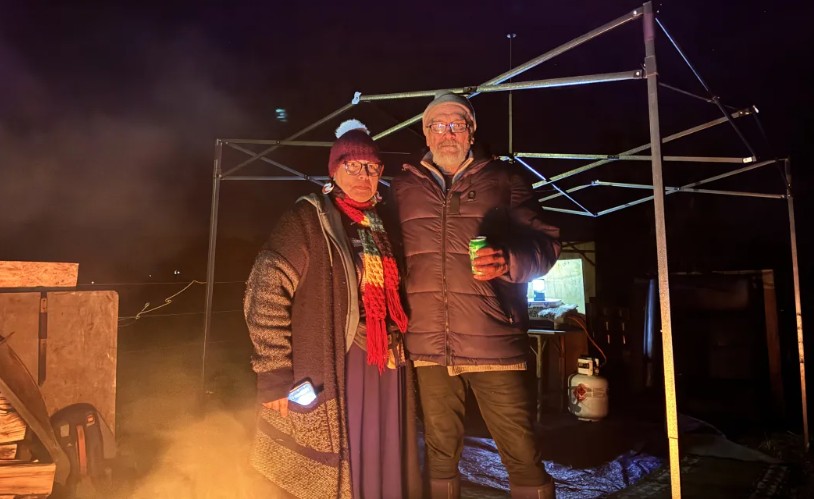
In the heart of Christchurch’s red zone, a growing community of roughly 40 residents has formed at Wetlands Grove, where the remnants of past natural disasters intertwine with present struggles. This area, once a bustling neighbourhood, has transformed dramatically since the devastating earthquake on February 22, 2011, which resulted in widespread liquefaction and the demolition of homes.
The community, which has developed around buses, caravans, and tents, faces the dual challenges of housing insecurity and social stigma. Moko, a resident and informal leader, noted that many individuals in this community are not without work but struggle to find affordable housing. “Some people work, some people don’t. Some people are here mainly because there is no availability of homes. It’s too hard to afford rent and all the other bills that come with it,” he explained.
Moko has lived in Wetlands Grove for approximately 18 months, after transitioning from emergency housing following a traumatic home invasion. His experience reflects a growing concern that those in need of housing support are often judged before they even have a chance to present their case. “You turn up to a viewing and you’ve got 30 other families there,” he said, highlighting the fierce competition for limited housing options.
Among the residents is Ngawai Timu, who upgraded from living in a car to her campervan. Initially, she found the rental market overwhelming, with payments reaching $470 per week, which she deemed excessive, stating, “I felt like I was paying for somebody’s mortgage.” Despite her desire for stability, she declined an offer for transitional housing due to restrictions that would not accommodate her lifestyle or belongings.
The conditions in Wetlands Grove have drawn mixed reactions from the local community. While some residents have reported acts of hostility, such as vandalism and harassment, others, like Polly Stewart, have found a sense of freedom in their unconventional living situation. “Being here is sort of freedom for me. Whereas living in a Kainga Ora apartment, no. It’s like being in prison,” she remarked, emphasizing the importance of autonomy in her life.
Local authorities are aware of the challenges faced by this community. Christchurch Mayor Phil Mauger acknowledged the council’s role in providing essential services such as portable toilets and rubbish collection, which are necessary for maintaining sanitary conditions. “It makes sense to me that you should because that’s sanitary stuff. You imagine if it wasn’t there,” he said. The council plans to eventually repurpose the land for ecological restoration, leaving residents uncertain about their future.
The demand for housing in Christchurch has surged since the COVID-19 pandemic. According to Housing First Otautahi spokeswoman Nicola Fleming, the waiting list for housing has increased dramatically, from around 70 individuals before the pandemic to approximately 103 currently. This list specifically targets those classified as chronically homeless, indicating a pressing need for more affordable housing solutions.
Collaboration among various housing providers, including Comcare, Emerge Aotearoa, and the Christchurch City Mission, aims to alleviate the crisis. These organizations work to connect individuals with housing options, whether through community housing or private rentals. Fleming emphasized the importance of private landlords in addressing the housing shortage, stating, “They get rent paid every week by the government through MSD and they get market rent paid. It’s never missed whether the property is vacant or not, so that’s a massive bonus for someone.”
Despite the challenging circumstances, the residents of Wetlands Grove strive to create a sense of community. Moko expressed a desire to enhance their living environment by potentially introducing sheep to manage the grass and provide food. He believes that the growing population is a reflection of broader systemic failures in mental health and housing services.
In a poignant reminder of their humanity, Moko stated, “It’s okay to be not okay but never judge a book by its cover. If you want to come down and talk to us, come down and talk to us. We’re not bad people.” His words encapsulate the resilience and determination of a community that continues to navigate the complexities of life in the Christchurch red zone.












New $25 Million Funding Boosts Hospital Capacity Ahead of Winter

Discover Sleep Space’s Affordable Bach Bed Packages Today

Jury Dismissed in Sexual Assault Trial Over Misguided Questions

Wellington’s New Gallery Unveils Community-Driven Art Exhibition

All Whites Face Challenges as Injuries Strike Before World Cup

Heroic Bystander Rescues Swimmers from Dangerous Surf in Napier

Nina Oyama Returns to Crime Comedy in Deadloch Season 2

China Southern Airlines Offers Reliable Journey from Auckland to Vietnam

Nina Oyama Returns to Deadloch for Anticipated Season 2

Community Mourns Teens Lost in Mount Maunganui Landslide

Tributes Pour In for Lachlan Rofe, Reality Star, Dead at 47

Private Funeral Held for Dean Field and His Three Children

Funeral Planned for Field Siblings After Tragic House Fire

Netball New Zealand Stands Down Dame Noeline Taurua for Series

Al Waha Motors Opens Flagship Jetour Showroom in Al Khor

Julian Dennison Ties the Knot with Christian Baledrokadroka in New Zealand

Auckland’s Average Rent Surpasses $700 for Three-Bedroom Homes

New Research Reveals Simple Path to Enhanced Happiness
-
 Top Stories7 months ago
Community Mourns Teens Lost in Mount Maunganui Landslide
-
 Entertainment11 months ago
Tributes Pour In for Lachlan Rofe, Reality Star, Dead at 47
-
 World9 months ago
Private Funeral Held for Dean Field and His Three Children
-
 Top Stories9 months ago
Funeral Planned for Field Siblings After Tragic House Fire
-
 Sports11 months ago
Netball New Zealand Stands Down Dame Noeline Taurua for Series
-
 Health7 months ago
Al Waha Motors Opens Flagship Jetour Showroom in Al Khor
-
 Entertainment7 months ago
Julian Dennison Ties the Knot with Christian Baledrokadroka in New Zealand
-
 Business7 months ago
Auckland’s Average Rent Surpasses $700 for Three-Bedroom Homes
-
 Science10 months ago
New Research Reveals Simple Path to Enhanced Happiness
-

 Entertainment10 months ago
New ‘Maverick’ Chaser Joins Beat the Chasers Season Finale
-

 Lifestyle11 months ago
Maia Wilson Faces Backlash Following Taurua’s Suspension
-

 Sports10 months ago
All Blacks Star Damian McKenzie and Partner Announce Baby News