
Health
Dutch Consumer Groups Sue BMW Over Alleged Diesel Emissions Fraud

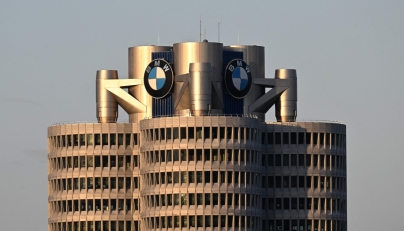
The Dutch Consumer Association has initiated a class-action lawsuit against BMW, alleging that the automaker falsified emissions data for approximately 100,000 vehicles sold in the Netherlands. The lawsuit, announced on Monday, claims that BMW installed software designed to reduce nitrogen emissions during testing, while actual emissions during typical driving conditions were significantly higher.
The Consumentenbond has cited studies indicating that this software manipulation misled both regulatory bodies and consumers. “It’s shameless how BMW misled both the inspection bodies and consumers,” stated Consumentenbond head Sandra Molenaar. She emphasized that the company must take responsibility and compensate those affected by their actions.
The lawsuit targets all BMW and MINI diesel cars sold in the Dutch market between January 1, 2009, and September 1, 2019. In response to the lawsuit, a spokesperson for BMW, Andrew Mason, expressed that the company had learned of the legal action through media reports and stated that “no such claim has yet been served.” He indicated that BMW is not aware of the specific allegations being made by Car Claim, the group collaborating with Consumentenbond on this legal action.
The Car Claim group has urged BMW to recall the affected vehicles and implement necessary modifications. They are also calling for compensation for both current and former drivers. Guido van Woerkom, chairman of Car Claim, remarked that despite the initiation of legal proceedings, they remain open to discussions with BMW in hopes of reaching an equitable resolution.
This lawsuit forms part of a broader emissions scandal known as “dieselgate,” which has implicated several prominent automotive manufacturers worldwide. The scandal initially erupted in September 2015, when Volkswagen admitted to equipping millions of cars with software that manipulated emissions readings during regulatory testing, thereby obscuring the true environmental impact of their vehicles.
The fallout from dieselgate has led to significant legal actions across multiple countries, including France, South Korea, and the United States. In February 2019, German prosecutors imposed a fine of €8.5 million (approximately $9.8 million) on BMW for exceeding permissible emissions levels in their diesel vehicles. Prosecutors clarified that the violations were due to error rather than intentional deceit.
As the case unfolds, it highlights ongoing concerns regarding automotive emissions practices and the accountability of manufacturers in ensuring compliance with environmental standards. The outcome of this lawsuit could have far-reaching implications for BMW and its reputation in the global market.













New $25 Million Funding Boosts Hospital Capacity Ahead of Winter

Discover Sleep Space’s Affordable Bach Bed Packages Today

Jury Dismissed in Sexual Assault Trial Over Misguided Questions

Wellington’s New Gallery Unveils Community-Driven Art Exhibition

All Whites Face Challenges as Injuries Strike Before World Cup

Heroic Bystander Rescues Swimmers from Dangerous Surf in Napier

Nina Oyama Returns to Crime Comedy in Deadloch Season 2

China Southern Airlines Offers Reliable Journey from Auckland to Vietnam

Nina Oyama Returns to Deadloch for Anticipated Season 2

Community Mourns Teens Lost in Mount Maunganui Landslide

Tributes Pour In for Lachlan Rofe, Reality Star, Dead at 47

Private Funeral Held for Dean Field and His Three Children

Funeral Planned for Field Siblings After Tragic House Fire

Netball New Zealand Stands Down Dame Noeline Taurua for Series

Julian Dennison Ties the Knot with Christian Baledrokadroka in New Zealand

Al Waha Motors Opens Flagship Jetour Showroom in Al Khor

Auckland’s Average Rent Surpasses $700 for Three-Bedroom Homes

New Research Reveals Simple Path to Enhanced Happiness
-
 Top Stories6 months ago
Community Mourns Teens Lost in Mount Maunganui Landslide
-
 Entertainment11 months ago
Tributes Pour In for Lachlan Rofe, Reality Star, Dead at 47
-
 World8 months ago
Private Funeral Held for Dean Field and His Three Children
-
 Top Stories8 months ago
Funeral Planned for Field Siblings After Tragic House Fire
-
 Sports11 months ago
Netball New Zealand Stands Down Dame Noeline Taurua for Series
-
 Entertainment6 months ago
Julian Dennison Ties the Knot with Christian Baledrokadroka in New Zealand
-
 Health6 months ago
Al Waha Motors Opens Flagship Jetour Showroom in Al Khor
-
 Business7 months ago
Auckland’s Average Rent Surpasses $700 for Three-Bedroom Homes
-
 Science9 months ago
New Research Reveals Simple Path to Enhanced Happiness
-

 Entertainment10 months ago
New ‘Maverick’ Chaser Joins Beat the Chasers Season Finale
-

 Lifestyle10 months ago
Maia Wilson Faces Backlash Following Taurua’s Suspension
-

 Sports9 months ago
All Blacks Star Damian McKenzie and Partner Announce Baby News