
Health
Global Food Prices Decline for Second Month, Reports FAO

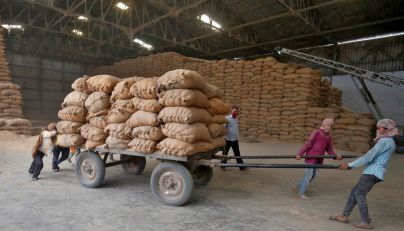
World food prices decreased for the second consecutive month in October 2025, driven primarily by robust global supplies, according to the latest report from the Food and Agriculture Organization (FAO) of the United Nations. The FAO Food Price Index (FFPI), which tracks price changes for a range of internationally traded food commodities, averaged 126.4 points in October, reflecting a decline of 2.1 points, or 1.6 percent, from the revised figure of 128.5 points in September.
This downward trend in food prices was influenced by reductions in several key categories, including cereals, dairy products, meat, and sugar, which outweighed a slight increase in the vegetable oil index. Overall, the October FFPI was marginally lower than the figures from October 2024 and remained significantly below its peak of 160.2 points reached in March 2022, standing at 33.8 points or 21.1 percent less.
Key Factors Behind Price Declines
The FAO Sugar Price Index saw a notable decline of 5.3 percent from September, reaching its lowest point since December 2020. This drop is attributed to strong production levels in Brazil and anticipated increases in outputs from Thailand and India. Additionally, reduced crude oil prices have exerted downward pressure on sugar prices due to decreased demand from the biofuel sector.
Similarly, the FAO Dairy Price Index fell by 3.4 percent, largely due to a significant drop in butter prices attributed to ample export supplies from the European Union and New Zealand. The FAO Meat Price Index also decreased by 2.0 percent during the month, driven by sharp declines in pig and poultry prices. However, prices for bovine meat continued to rise, particularly in Australia, supported by strong global demand.
Future Projections for Cereal Production
Alongside the price index, the FAO also released updated forecasts for global cereal markets, indicating a projected increase in world cereal production of 4.4 percent in 2025, which is expected to reach a record level of 2,990 million tonnes. This anticipated growth is expected across all major cereals, suggesting a positive outlook for global food supply in the near future.
The FAO’s findings reflect a complex interplay of supply dynamics and market forces that continue to shape the global food landscape. As prices fluctuate, stakeholders across the agricultural sector will need to navigate these changes to ensure food security worldwide.













New $25 Million Funding Boosts Hospital Capacity Ahead of Winter

Discover Sleep Space’s Affordable Bach Bed Packages Today

Jury Dismissed in Sexual Assault Trial Over Misguided Questions

Wellington’s New Gallery Unveils Community-Driven Art Exhibition

All Whites Face Challenges as Injuries Strike Before World Cup

Heroic Bystander Rescues Swimmers from Dangerous Surf in Napier

Nina Oyama Returns to Crime Comedy in Deadloch Season 2

China Southern Airlines Offers Reliable Journey from Auckland to Vietnam

Nina Oyama Returns to Deadloch for Anticipated Season 2

Community Mourns Teens Lost in Mount Maunganui Landslide

Tributes Pour In for Lachlan Rofe, Reality Star, Dead at 47

Private Funeral Held for Dean Field and His Three Children

Funeral Planned for Field Siblings After Tragic House Fire

Netball New Zealand Stands Down Dame Noeline Taurua for Series

Al Waha Motors Opens Flagship Jetour Showroom in Al Khor

Julian Dennison Ties the Knot with Christian Baledrokadroka in New Zealand

Auckland’s Average Rent Surpasses $700 for Three-Bedroom Homes

New Research Reveals Simple Path to Enhanced Happiness
-
 Top Stories7 months ago
Community Mourns Teens Lost in Mount Maunganui Landslide
-
 Entertainment11 months ago
Tributes Pour In for Lachlan Rofe, Reality Star, Dead at 47
-
 World9 months ago
Private Funeral Held for Dean Field and His Three Children
-
 Top Stories9 months ago
Funeral Planned for Field Siblings After Tragic House Fire
-
 Sports11 months ago
Netball New Zealand Stands Down Dame Noeline Taurua for Series
-
 Health7 months ago
Al Waha Motors Opens Flagship Jetour Showroom in Al Khor
-
 Entertainment7 months ago
Julian Dennison Ties the Knot with Christian Baledrokadroka in New Zealand
-
 Business7 months ago
Auckland’s Average Rent Surpasses $700 for Three-Bedroom Homes
-
 Science10 months ago
New Research Reveals Simple Path to Enhanced Happiness
-

 Entertainment10 months ago
New ‘Maverick’ Chaser Joins Beat the Chasers Season Finale
-

 Lifestyle11 months ago
Maia Wilson Faces Backlash Following Taurua’s Suspension
-

 Sports10 months ago
All Blacks Star Damian McKenzie and Partner Announce Baby News