
Politics
Family Faces Immigration Challenge Over Daughter’s Health Status

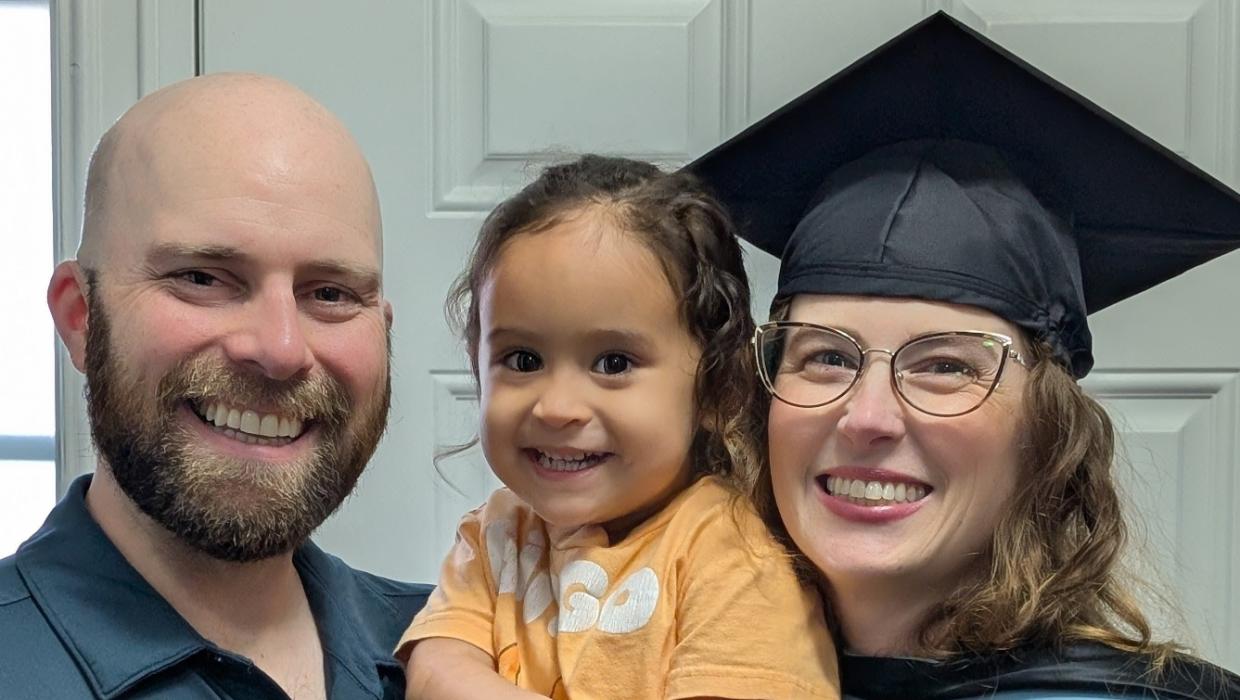
A family from North Carolina is in a state of uncertainty as they await a decision from Immigration New Zealand regarding their daughter’s health status. Emily Osborn, a mental health counsellor, and her husband Paul, along with their four-year-old daughter Tallulah, moved into temporary accommodation after selling their house and rehoming their dogs. Their plans to start a new life in New Zealand hit a snag when immigration officials deemed Tallulah “not of Acceptable Standard of Health” on October 1, 2023.
Emily Osborn had eagerly sought the right mentor for her PhD focusing on birth mothers who have placed children for adoption. After extensive research, she chose to study under Eva Neely at Victoria University, whose work on maternal health aligned perfectly with her academic aspirations. Following her acceptance and the approval of her doctoral scholarship and student visa on September 1, her family began preparations for their move.
The Osborns initially settled into a hotel, but after 2.5 months of living in close quarters, they moved into an apartment while they continued to navigate the immigration process. The crux of the issue lies with Tallulah’s health challenges, which include developmental delays and mild muscle weakness on one side. She is currently receiving speech and occupational therapy and carries an EpiPen for a peanut allergy, which she has thus far not needed. In the past, she had experienced two seizures, but none have occurred since starting a preventive medication.
“We felt like we had it,” Emily said, referring to their preparations and efforts to demonstrate that they were not seeking entry into New Zealand for its medical system, but rather for educational opportunities and cultural immersion. Despite having private health insurance, their situation is complicated by the requirement that they prove they would not impose significant costs on the country’s health services.
On November 11, Immigration New Zealand confirmed its initial health assessment. Ankur Sabharwal, an immigration adviser from Visa Matters, noted that even temporary visas could be rejected if there is a significant chance of requiring hospital admission or costly medications. In 2024, 1,395 visa applications were turned down for health-related reasons, with certain categories, such as parent or grandparent visas, experiencing higher rejection rates.
Tallulah’s situation is particularly challenging as there are no medical waivers for applicants considered too burdensome for the health system. According to Dominic Forde, the director of central and southern operations for Immigration New Zealand, the agency has classified Tallulah as likely to require substantial support services, including ongoing speech and occupational therapy, which places additional pressure on already strained healthcare resources.
Despite these obstacles, Emily has been proactive in seeking solutions. She contacted private therapists who indicated they could accommodate Tallulah’s needs within a week, prompting her to feel hopeful about the potential for an exception to be granted.
“I feel like there’s space,” she expressed, emphasizing their desire to contribute positively to New Zealand while respecting the immigration process. Emily views their situation as a privilege, one that she hopes will allow them to realize their aspirations in a new country despite the hurdles they face.
As the family waits for a final decision on Tallulah’s visa status, they remain hopeful that their commitment to education and cultural integration will ultimately prevail in the eyes of immigration authorities.










New $25 Million Funding Boosts Hospital Capacity Ahead of Winter

Discover Sleep Space’s Affordable Bach Bed Packages Today

Jury Dismissed in Sexual Assault Trial Over Misguided Questions

Wellington’s New Gallery Unveils Community-Driven Art Exhibition

All Whites Face Challenges as Injuries Strike Before World Cup

Heroic Bystander Rescues Swimmers from Dangerous Surf in Napier

Nina Oyama Returns to Crime Comedy in Deadloch Season 2

China Southern Airlines Offers Reliable Journey from Auckland to Vietnam

Nina Oyama Returns to Deadloch for Anticipated Season 2

Community Mourns Teens Lost in Mount Maunganui Landslide

Tributes Pour In for Lachlan Rofe, Reality Star, Dead at 47

Private Funeral Held for Dean Field and His Three Children

Funeral Planned for Field Siblings After Tragic House Fire

Netball New Zealand Stands Down Dame Noeline Taurua for Series

Al Waha Motors Opens Flagship Jetour Showroom in Al Khor

Julian Dennison Ties the Knot with Christian Baledrokadroka in New Zealand

Auckland’s Average Rent Surpasses $700 for Three-Bedroom Homes

New Research Reveals Simple Path to Enhanced Happiness
-
 Top Stories7 months ago
Community Mourns Teens Lost in Mount Maunganui Landslide
-
 Entertainment11 months ago
Tributes Pour In for Lachlan Rofe, Reality Star, Dead at 47
-
 World9 months ago
Private Funeral Held for Dean Field and His Three Children
-
 Top Stories9 months ago
Funeral Planned for Field Siblings After Tragic House Fire
-
 Sports11 months ago
Netball New Zealand Stands Down Dame Noeline Taurua for Series
-
 Health7 months ago
Al Waha Motors Opens Flagship Jetour Showroom in Al Khor
-
 Entertainment7 months ago
Julian Dennison Ties the Knot with Christian Baledrokadroka in New Zealand
-
 Business7 months ago
Auckland’s Average Rent Surpasses $700 for Three-Bedroom Homes
-
 Science10 months ago
New Research Reveals Simple Path to Enhanced Happiness
-

 Entertainment10 months ago
New ‘Maverick’ Chaser Joins Beat the Chasers Season Finale
-

 Lifestyle11 months ago
Maia Wilson Faces Backlash Following Taurua’s Suspension
-

 Sports10 months ago
All Blacks Star Damian McKenzie and Partner Announce Baby News