
Top Stories
New Zealand Voices Concern Over US Military Action in Venezuela

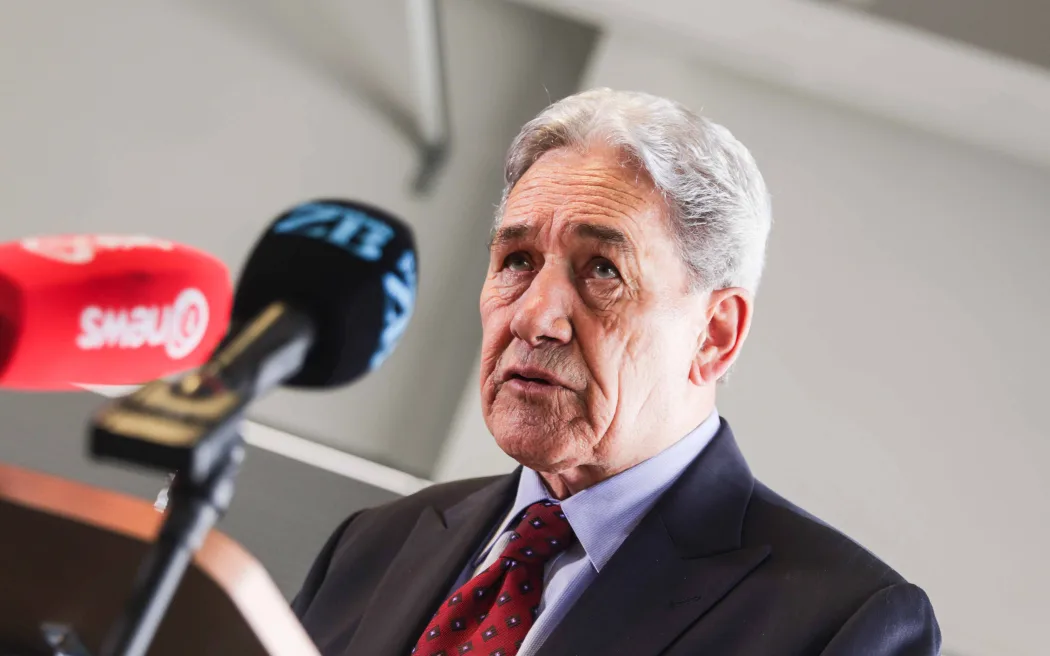
New Zealand’s Foreign Minister, Winston Peters, has expressed the government’s concern following recent military actions taken by the United States against Venezuela. On January 3, 2026, the US launched an offensive in the Venezuelan capital of Caracas, resulting in the capture of President Nicolás Maduro and his wife. The US government cited alleged drug offenses as justification for the operation.
In a statement on social media platform X (formerly Twitter), Peters emphasized that New Zealand is “actively monitoring developments in Venezuela.” He stated, “New Zealand expects all parties to act in accordance with international law.” The Foreign Minister reiterated New Zealand’s support for the Venezuelan population, advocating for their pursuit of a “fair, democratic and prosperous future.”
Peters also issued a travel advisory, urging New Zealand citizens to refrain from visiting Venezuela. Those in need of urgent consular assistance were directed to contact the 24/7 consular emergency line.
US Military Action and Global Reactions
The US military intervention comes after months of allegations from the Trump administration regarding Venezuela’s involvement in drug trafficking to the US. President Donald Trump has been vocal about his desire to leverage Venezuela’s vast oil reserves, which are among the largest in the world. He stated, “We’re going to have our very large United States oil companies… go in, spend billions of dollars, fix the badly broken infrastructure.”
In response to the military action, the United Nations is set to convene an emergency meeting to discuss the implications of the US intervention, which has garnered both praise and condemnation from leaders around the globe.
Legal Implications of Military Intervention
International law expert Professor Alexander Gillespie from the University of Waikato questioned the legality of the US military action. He pointed out that attacking another nation can only be justified under conditions of self-defense, which must be urgent and proportionate. “To say it is self-defense stretches the doctrine way beyond what it has previously been understood as,” he noted.
While acknowledging the US’s concerns about illegal drugs and transnational crime, Gillespie highlighted that the justification for military intervention based on these grounds is tenuous. He expressed skepticism about any potential legal repercussions for the US given its veto power on the UN Security Council, which would allow it to dismiss any international legal challenges.
Gillespie also warned that this precedent could embolden other nations, such as Russia and China, to take unilateral military actions in countries they oppose. “It will be a small step for countries like China to take Taiwan or for Russia to push even harder into Ukraine,” he cautioned.
As the situation in Venezuela unfolds, New Zealand’s government continues to advocate for a peaceful resolution and adherence to international laws governing military action.












New $25 Million Funding Boosts Hospital Capacity Ahead of Winter

Discover Sleep Space’s Affordable Bach Bed Packages Today

Jury Dismissed in Sexual Assault Trial Over Misguided Questions

Wellington’s New Gallery Unveils Community-Driven Art Exhibition

All Whites Face Challenges as Injuries Strike Before World Cup

Heroic Bystander Rescues Swimmers from Dangerous Surf in Napier

Nina Oyama Returns to Crime Comedy in Deadloch Season 2

China Southern Airlines Offers Reliable Journey from Auckland to Vietnam

Nina Oyama Returns to Deadloch for Anticipated Season 2

Community Mourns Teens Lost in Mount Maunganui Landslide

Tributes Pour In for Lachlan Rofe, Reality Star, Dead at 47

Private Funeral Held for Dean Field and His Three Children

Funeral Planned for Field Siblings After Tragic House Fire

Netball New Zealand Stands Down Dame Noeline Taurua for Series

Al Waha Motors Opens Flagship Jetour Showroom in Al Khor

Julian Dennison Ties the Knot with Christian Baledrokadroka in New Zealand

Auckland’s Average Rent Surpasses $700 for Three-Bedroom Homes

New Research Reveals Simple Path to Enhanced Happiness
-
 Top Stories7 months ago
Community Mourns Teens Lost in Mount Maunganui Landslide
-
 Entertainment11 months ago
Tributes Pour In for Lachlan Rofe, Reality Star, Dead at 47
-
 World9 months ago
Private Funeral Held for Dean Field and His Three Children
-
 Top Stories9 months ago
Funeral Planned for Field Siblings After Tragic House Fire
-
 Sports11 months ago
Netball New Zealand Stands Down Dame Noeline Taurua for Series
-
 Health7 months ago
Al Waha Motors Opens Flagship Jetour Showroom in Al Khor
-
 Entertainment7 months ago
Julian Dennison Ties the Knot with Christian Baledrokadroka in New Zealand
-
 Business7 months ago
Auckland’s Average Rent Surpasses $700 for Three-Bedroom Homes
-
 Science10 months ago
New Research Reveals Simple Path to Enhanced Happiness
-

 Entertainment10 months ago
New ‘Maverick’ Chaser Joins Beat the Chasers Season Finale
-

 Lifestyle10 months ago
Maia Wilson Faces Backlash Following Taurua’s Suspension
-

 Sports10 months ago
All Blacks Star Damian McKenzie and Partner Announce Baby News