
Politics
Israel Faces Division Two Years After October 7 Attacks

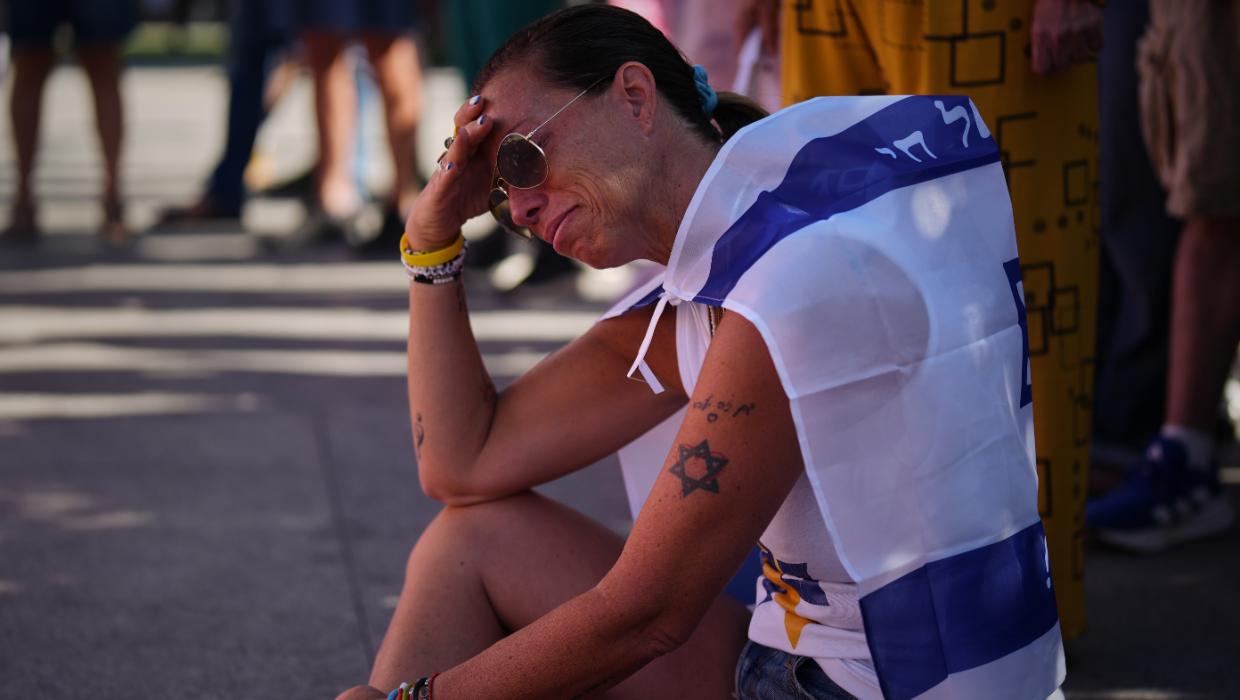
Two years after the tragic attacks on October 7, 2023, Israel remains a nation marked by profound division. The split among its citizens reflects a growing discontent with Prime Minister Benjamin Netanyahu and his government’s inability to secure a ceasefire that would facilitate the release of remaining hostages. Many Israelis believe that the government’s handling of the situation has exacerbated the tensions within the country.
The atmosphere in Israel has been charged, with protests and public outcry against Netanyahu’s leadership intensifying. Critics argue that his approach to the ongoing crisis has failed to address the pressing needs of the nation, particularly regarding the hostages still held by militant groups. The calls for a ceasefire have grown louder, with families of the hostages expressing frustration and anguish over the lack of progress in negotiations.
Public Sentiment and Political Fallout
Public sentiment in Israel is deeply polarized, with significant sections of society advocating for a change in leadership. Many citizens hold Netanyahu accountable for not pursuing diplomatic avenues that might have led to a resolution of the conflict. The growing dissatisfaction has resulted in a series of protests across major cities, where demonstrators demand accountability and a clear strategy for peace.
In contrast, Netanyahu’s supporters argue that the prime minister is navigating a complex and dangerous geopolitical landscape. They maintain that any concessions could jeopardize national security and undermine Israel’s position in the region. This ongoing debate reflects a broader struggle within the Israeli society about the best path forward in a time of crisis.
International Reactions and Implications
Internationally, the situation in Israel has drawn concern from various governments and organizations. Calls for a ceasefire have come from multiple fronts, including humanitarian organizations that emphasize the need to prioritize the safety of civilians and hostages. The United Nations has also weighed in, urging all parties involved to engage in dialogue and seek a peaceful resolution.
The implications of the division within Israel extend beyond its borders. The ongoing turmoil has the potential to influence regional stability, affecting relations with neighboring countries and complicating international diplomatic efforts. As Israel navigates this challenging period, the focus remains on how the government will address the calls for peace and the urgent needs of its citizens.
As the anniversary of the October 7 attacks approaches, the path forward for Israel remains uncertain. The deep divisions within the nation pose significant challenges, not only for Netanyahu’s leadership but also for the future of Israeli society as it seeks to heal and unite amidst ongoing strife.












New $25 Million Funding Boosts Hospital Capacity Ahead of Winter

Discover Sleep Space’s Affordable Bach Bed Packages Today

Jury Dismissed in Sexual Assault Trial Over Misguided Questions

Wellington’s New Gallery Unveils Community-Driven Art Exhibition

All Whites Face Challenges as Injuries Strike Before World Cup

Heroic Bystander Rescues Swimmers from Dangerous Surf in Napier

Nina Oyama Returns to Crime Comedy in Deadloch Season 2

China Southern Airlines Offers Reliable Journey from Auckland to Vietnam

Nina Oyama Returns to Deadloch for Anticipated Season 2

Community Mourns Teens Lost in Mount Maunganui Landslide

Tributes Pour In for Lachlan Rofe, Reality Star, Dead at 47

Private Funeral Held for Dean Field and His Three Children

Funeral Planned for Field Siblings After Tragic House Fire

Netball New Zealand Stands Down Dame Noeline Taurua for Series

Al Waha Motors Opens Flagship Jetour Showroom in Al Khor

Julian Dennison Ties the Knot with Christian Baledrokadroka in New Zealand

Auckland’s Average Rent Surpasses $700 for Three-Bedroom Homes

New Research Reveals Simple Path to Enhanced Happiness
-
 Top Stories7 months ago
Community Mourns Teens Lost in Mount Maunganui Landslide
-
 Entertainment11 months ago
Tributes Pour In for Lachlan Rofe, Reality Star, Dead at 47
-
 World9 months ago
Private Funeral Held for Dean Field and His Three Children
-
 Top Stories9 months ago
Funeral Planned for Field Siblings After Tragic House Fire
-
 Sports11 months ago
Netball New Zealand Stands Down Dame Noeline Taurua for Series
-
 Health7 months ago
Al Waha Motors Opens Flagship Jetour Showroom in Al Khor
-
 Entertainment7 months ago
Julian Dennison Ties the Knot with Christian Baledrokadroka in New Zealand
-
 Business7 months ago
Auckland’s Average Rent Surpasses $700 for Three-Bedroom Homes
-
 Science10 months ago
New Research Reveals Simple Path to Enhanced Happiness
-

 Entertainment10 months ago
New ‘Maverick’ Chaser Joins Beat the Chasers Season Finale
-

 Lifestyle11 months ago
Maia Wilson Faces Backlash Following Taurua’s Suspension
-

 Sports10 months ago
All Blacks Star Damian McKenzie and Partner Announce Baby News