
Science
Leonardo da Vinci DNA Breakthrough Could Reveal Lost Artworks

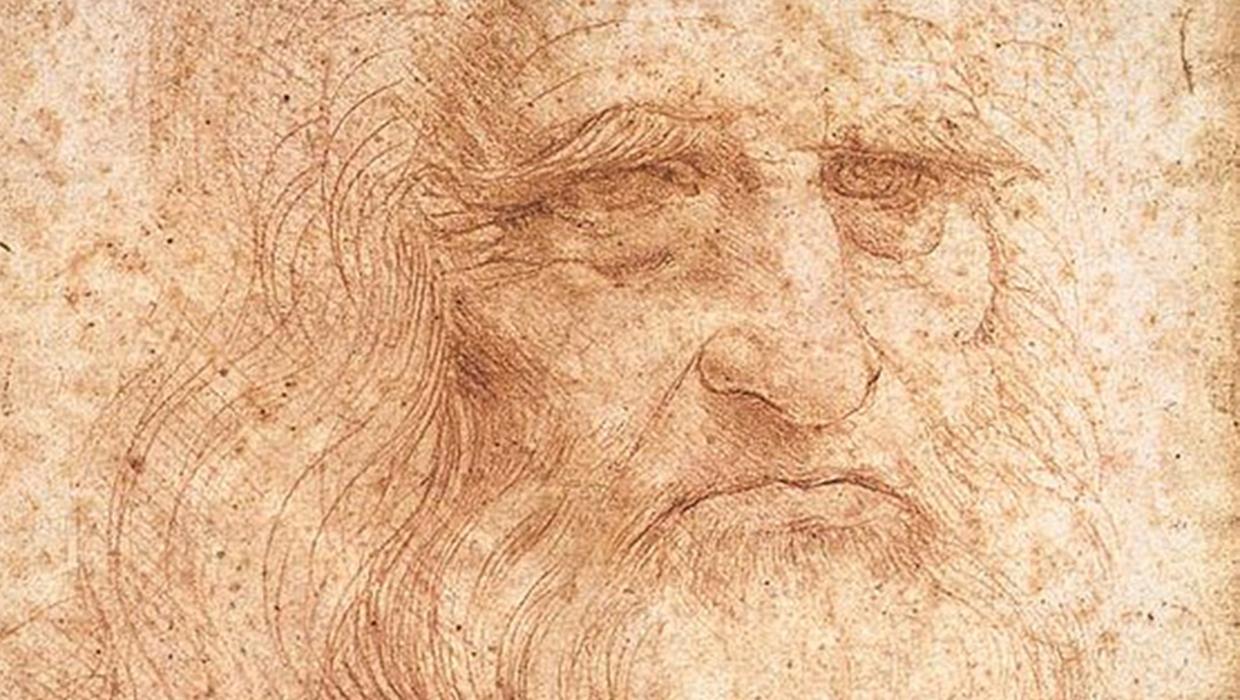
Recent advancements in the search for DNA belonging to the legendary artist Leonardo da Vinci may provide vital clues to uncover lost artworks. Researchers at the University of Florence are investigating samples that could potentially link to the genius of the Renaissance, offering new insights into his methods and creations.
The team at the University, focusing on analysis techniques, aims to extract DNA from historical artifacts related to da Vinci. This groundbreaking effort might not only identify his genetic material but also lead to the rediscovery of lost paintings attributed to the maestro. 1452 is a significant year, marking the birth of da Vinci, whose masterpieces, including The Last Supper, remain pivotal in the study of art history.
Using advanced forensic science, the researchers hope to analyze various items, including brushes and canvases, that may have been in contact with da Vinci’s work. The goal is to establish a genetic signature that could confirm the authenticity of artworks previously questioned. This method holds promise for art conservationists who seek to verify the origins of lesser-known pieces attributed to the artist.
Unlocking the Mysteries of Da Vinci’s Artistry
The potential for this research extends beyond mere identification; it could illuminate the creative processes that defined da Vinci’s oeuvre. By understanding the genetic traits associated with his art, scholars can gain a deeper appreciation for the techniques and materials he employed.
According to experts, such discoveries could reshape the narrative of art history. The ability to authenticate paintings with genetic evidence would revolutionize the field, providing definitive proof of authorship for works that have long been debated. Furthermore, this approach could serve as a model for future investigations into the legacies of other historical artists.
While the research is still in its early stages, the implications are vast. If successful, the findings could inspire a renewed interest in Renaissance art and the methodologies that characterized that era. This endeavor highlights the intersection of science and art, demonstrating how modern technology can enhance our understanding of the past.
In a world where art theft and forgery remain persistent challenges, the ability to validate the authenticity of artworks is crucial. This initiative could help safeguard the integrity of cultural heritage, ensuring that genuine pieces of da Vinci and his contemporaries are preserved for future generations.
As the project progresses, art enthusiasts and historians alike will be watching closely. The potential to uncover lost masterpieces not only excites the imagination but also reinforces the importance of interdisciplinary collaboration in addressing complex historical questions.
The research team plans to release initial findings by the end of 2023, which could mark a significant milestone in the ongoing quest to understand the legacy of one of history’s most celebrated artists. Should this endeavor yield positive results, the art world may soon witness a new chapter in the story of Leonardo da Vinci.













Transforming Mental Healthcare for Pacific Peoples in New Zealand

Test Your Knowledge with Newsroom’s Daily Quiz Challenge

Teen Overcomes Trauma, Finds New Hope After Sexual Assaults

Renowned Scientist Gordon Lauder Passes Away at 94

Scotty Stevenson Urges Revival of Community Sports in New Zealand

Search Efforts Intensify for Missing Swimmer in Waikato River

Revamping Mental Healthcare: A Call to Action for Pacific Communities

Engage Your Mind: Take the Newsroom Daily Quiz for January 11

Teen Overcomes Trauma, Seeks Justice After Sexual Assaults

Private Funeral Held for Dean Field and His Three Children

Funeral Planned for Field Siblings After Tragic House Fire

Netball New Zealand Stands Down Dame Noeline Taurua for Series

Tributes Pour In for Lachlan Rofe, Reality Star, Dead at 47

New ‘Maverick’ Chaser Joins Beat the Chasers Season Finale

Silver Ferns Legend Laura Langman Criticizes Team’s Attitude

Eli Katoa Rushed to Hospital After Sideline Incident During Match

Netball NZ Calls for Respect Amid Dame Taurua’s Standoff

Investigation Underway in Tragic Sanson House Fire Involving Family
-
 World2 months ago
Private Funeral Held for Dean Field and His Three Children
-
 Top Stories2 months ago
Funeral Planned for Field Siblings After Tragic House Fire
-
 Sports4 months ago
Netball New Zealand Stands Down Dame Noeline Taurua for Series
-
 Entertainment4 months ago
Tributes Pour In for Lachlan Rofe, Reality Star, Dead at 47
-
 Entertainment3 months ago
New ‘Maverick’ Chaser Joins Beat the Chasers Season Finale
-
 Sports4 months ago
Silver Ferns Legend Laura Langman Criticizes Team’s Attitude
-
 Sports2 months ago
Eli Katoa Rushed to Hospital After Sideline Incident During Match
-
 Politics3 months ago
Netball NZ Calls for Respect Amid Dame Taurua’s Standoff
-
 World2 months ago
Investigation Underway in Tragic Sanson House Fire Involving Family
-
 Sports4 weeks ago
Nathan Williamson’s Condition Improves Following Race Fall
-
 World3 weeks ago
Investigation Launched Following Boat Fire at Lake Taupō
-

 Entertainment1 month ago
Jacinda Ardern Discusses Popularity Decline on Graham Norton Show