
Politics
Trump Links Greenland Claims to Nobel Prize Snub in Letter

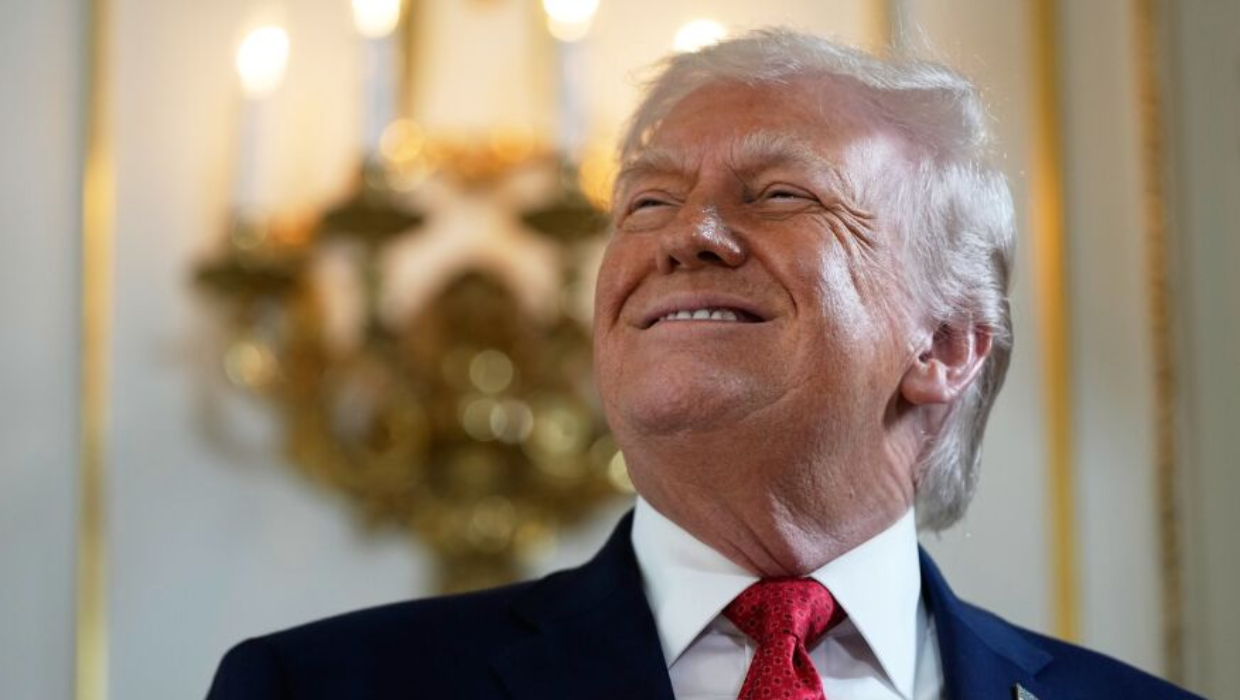
In an unusual letter addressed to Norway’s Prime Minister, Donald Trump expressed his discontent regarding his exclusion from the Nobel Peace Prize nominations. He stated that this disappointment has led him to reassess his priorities, claiming he no longer feels an “obligation to think purely of peace.” This letter has raised eyebrows, particularly due to Trump’s suggestion that the North Atlantic Treaty Organization (NATO) should facilitate a potential U.S. annexation of Greenland.
Trump’s correspondence, which surfaced on July 2020, touches on a range of geopolitical issues. He criticized the perception of U.S. foreign policy, suggesting that it has been overly focused on peace initiatives, particularly in light of his administration’s diplomatic efforts. According to the letter, Trump’s frustration stems from the decision of the Nobel Committee to overlook his administration’s achievements, including the normalization of relations between Israel and several Arab states.
In his letter, Trump proposed that NATO should play a role in the U.S. claim to Greenland, a territory currently administered by Denmark. The notion of annexing Greenland was previously floated by Trump in 2019, sparking widespread criticism and ridicule. The proposal was dismissed by Danish officials, with Prime Minister Mette Frederiksen labeling it “absurd.”
This recent communication emphasizes Trump’s shifting diplomatic tone, particularly as he grapples with a perceived lack of recognition on the international stage. The letter’s implications extend beyond mere frustration; it reflects a broader sentiment within Trump’s administration about the role of military alliances in geopolitical negotiations. Trump indicated that NATO should not only serve as a defensive alliance but also as a facilitator of U.S. territorial ambitions.
The letter has drawn responses from various political analysts and foreign policy experts. Many argue that linking military alliances to territorial expansion undermines the foundational principles of NATO, which is primarily a defense organization focused on collective security. Critics warn that such statements could strain relationships with allies and complicate international diplomacy.
As the political landscape continues to evolve, Trump’s letter serves as a stark reminder of the complexities of U.S. foreign policy under his administration. The intertwining of personal grievances with national interests raises questions about the future direction of American diplomacy and its impact on international relations.
Trump’s correspondence marks a significant moment in his presidency, highlighting the intersection of personal ambition and political strategy. As reactions unfold, the implications for U.S.-NATO relations and global diplomacy remain to be seen.











New $25 Million Funding Boosts Hospital Capacity Ahead of Winter

Discover Sleep Space’s Affordable Bach Bed Packages Today

Jury Dismissed in Sexual Assault Trial Over Misguided Questions

Wellington’s New Gallery Unveils Community-Driven Art Exhibition

All Whites Face Challenges as Injuries Strike Before World Cup

Heroic Bystander Rescues Swimmers from Dangerous Surf in Napier

Nina Oyama Returns to Crime Comedy in Deadloch Season 2

China Southern Airlines Offers Reliable Journey from Auckland to Vietnam

Nina Oyama Returns to Deadloch for Anticipated Season 2

Community Mourns Teens Lost in Mount Maunganui Landslide

Tributes Pour In for Lachlan Rofe, Reality Star, Dead at 47

Private Funeral Held for Dean Field and His Three Children

Funeral Planned for Field Siblings After Tragic House Fire

Netball New Zealand Stands Down Dame Noeline Taurua for Series

Al Waha Motors Opens Flagship Jetour Showroom in Al Khor

Julian Dennison Ties the Knot with Christian Baledrokadroka in New Zealand

Auckland’s Average Rent Surpasses $700 for Three-Bedroom Homes

New Research Reveals Simple Path to Enhanced Happiness
-
 Top Stories7 months ago
Community Mourns Teens Lost in Mount Maunganui Landslide
-
 Entertainment11 months ago
Tributes Pour In for Lachlan Rofe, Reality Star, Dead at 47
-
 World9 months ago
Private Funeral Held for Dean Field and His Three Children
-
 Top Stories9 months ago
Funeral Planned for Field Siblings After Tragic House Fire
-
 Sports11 months ago
Netball New Zealand Stands Down Dame Noeline Taurua for Series
-
 Health7 months ago
Al Waha Motors Opens Flagship Jetour Showroom in Al Khor
-
 Entertainment7 months ago
Julian Dennison Ties the Knot with Christian Baledrokadroka in New Zealand
-
 Business7 months ago
Auckland’s Average Rent Surpasses $700 for Three-Bedroom Homes
-
 Science10 months ago
New Research Reveals Simple Path to Enhanced Happiness
-

 Entertainment10 months ago
New ‘Maverick’ Chaser Joins Beat the Chasers Season Finale
-

 Lifestyle10 months ago
Maia Wilson Faces Backlash Following Taurua’s Suspension
-

 Sports10 months ago
All Blacks Star Damian McKenzie and Partner Announce Baby News